12 Container Gardening Ideas for Small Spaces
There is a particular kind of stubbornness required to garden without a garden. The instinct is to wait — for a house, for a bigger place, for somewhere with actual ground — and in the meantime to treat the balcony or the windowsill or the small paved courtyard as a holding space rather than a place worth cultivating. That instinct is worth resisting.
Some of the most considered, most productive, and most genuinely beautiful growing spaces in existence are built entirely in containers, and the constraint of working without ground forces a clarity of intention that sprawling gardens rarely achieve.
Container gardening rewards attention more than space. A well-chosen pot in the right position, planted with something that suits the conditions and tended consistently, gives more pleasure than a border ten times its size that was planted hopefully and then largely ignored.
The ideas below cover every scale from a single windowsill to a full balcony or courtyard, every budget from almost nothing to a considered investment, and every level of experience from a first-time grower to someone who already knows what they are doing and wants to do more of it.
Each idea includes what you will need, what it will cost, and a practical tip to make the whole thing thrive rather than merely survive.
1. The Edible Windowsill Garden
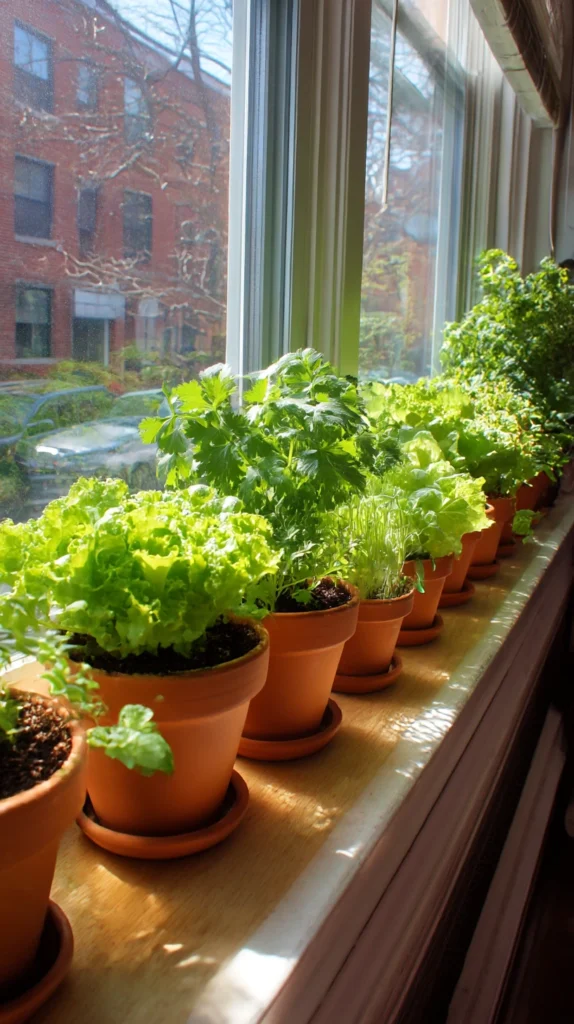
Budget: $15 – $60
A row of small pots on a sunny windowsill — herbs, salad leaves, radishes, spring onions — is the most immediate and most useful container garden available to anyone without outdoor space. It requires almost no investment, produces food that is genuinely used in everyday cooking, and has the particular satisfaction of a growing thing visible from inside the house that changes and develops every time you look at it.
Small terracotta pots in 8–12 centimetre sizes cost $1–$3 each. A bag of multipurpose compost runs $8–$15. Herb plants from a supermarket ($1–$2 each) or a garden centre ($2–$4 each) establish quickly in fresh compost and last considerably longer than they do in the small plug of growing medium they arrive in. Salad leaf seeds ($2–$4 per packet) sown directly into a long window box give a cut-and-come-again harvest that continues for eight to ten weeks from a single sowing.
Style tip: Line the windowsill pots in a single consistent material — all terracotta, all white ceramic, all the same galvanised metal — rather than a mixture of whatever containers are available. A windowsill of mismatched pots looks like a collection; a windowsill of matching containers looks like a decision.
2. The Self-Watering Planter System
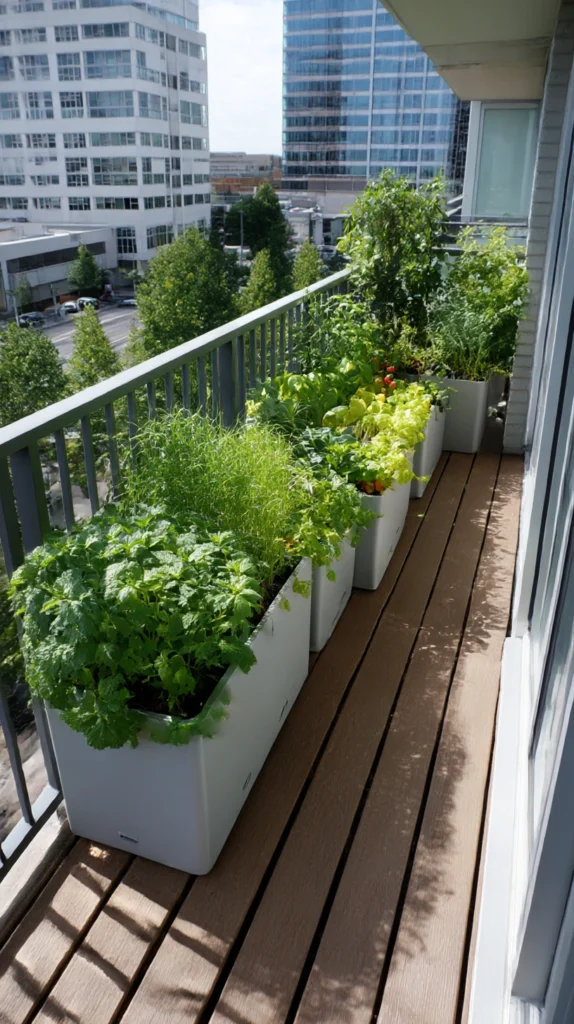
Budget: $30 – $120
A self-watering planter — one with a reservoir in the base that feeds moisture upward to the roots by capillary action — is the most important practical upgrade available to any container gardener who travels, works long hours, or simply finds that consistent watering is the obstacle between intention and results. Plants in self-watering containers grow faster, produce more, and require intervention only every five to seven days rather than every one to two, which changes the maintenance relationship with the garden entirely.
A self-watering window box costs $20–$50. A self-watering pot in a larger size for tomatoes or peppers runs $25–$60. Fill the reservoir rather than watering from above once plants are established — top watering in a self-watering container defeats the purpose of the reservoir system and can cause surface rooting rather than the deep root development that the capillary system encourages. Leave the reservoir empty for the first two weeks after planting to encourage roots to grow downward in search of moisture.
Style tip: Group self-watering containers together rather than distributing them across different positions. A cluster of self-watering planters can be refilled in a single operation that takes two minutes; the same number of containers spread across a balcony or terrace requires a circuit that takes ten and increases the likelihood of missing one.
3. The Vertical Tower Garden
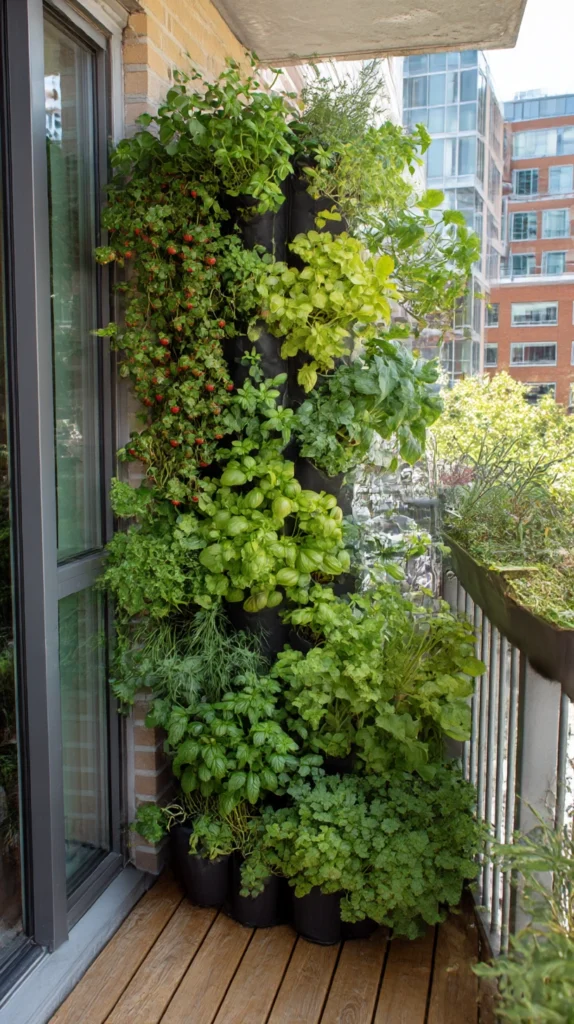
Budget: $40 – $200
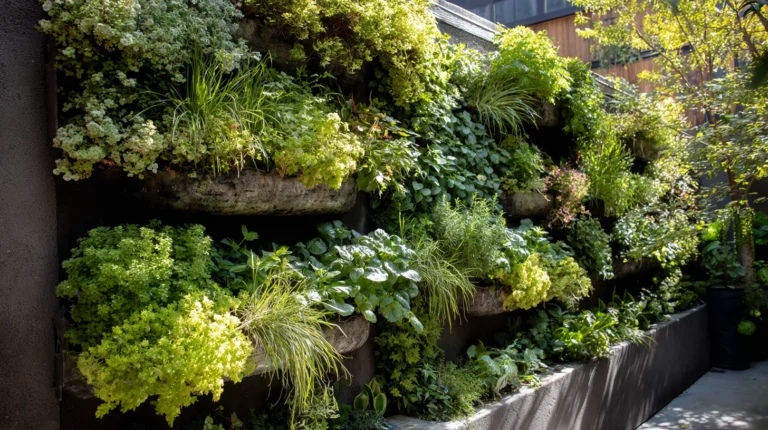
A vertical planting tower — a stacked or pocket system that allows plants to grow from multiple horizontal levels within a single footprint — multiplies the growing capacity of a small balcony or patio without occupying any additional floor space. A tower of 20 pockets in a 30-centimetre square footprint grows more salad leaves, herbs, and strawberries than a 2-metre border bed, and it does so at eye level where harvesting requires no bending and the plants are impossible to ignore.
A fabric pocket tower costs $25–$50. A rigid stackable tower system runs $40–$120. Position towers against a wall rather than freestanding — a wall provides support against wind loading that becomes significant when the pockets are full of wet compost, and the reflected warmth from a south-facing wall extends the growing season by two to three weeks at both ends of summer.
Style tip: Plant the top pockets of a tower with upright herbs and the lower pockets with trailing plants such as strawberries or trailing nasturtiums. The trailing growth from the lower levels cascades downward and fills the visual gap between pocket rows, giving the tower a dense, planted quality rather than the sparse, just-installed look that a uniform planting of upright plants produces.
4. The Repurposed Container Collection
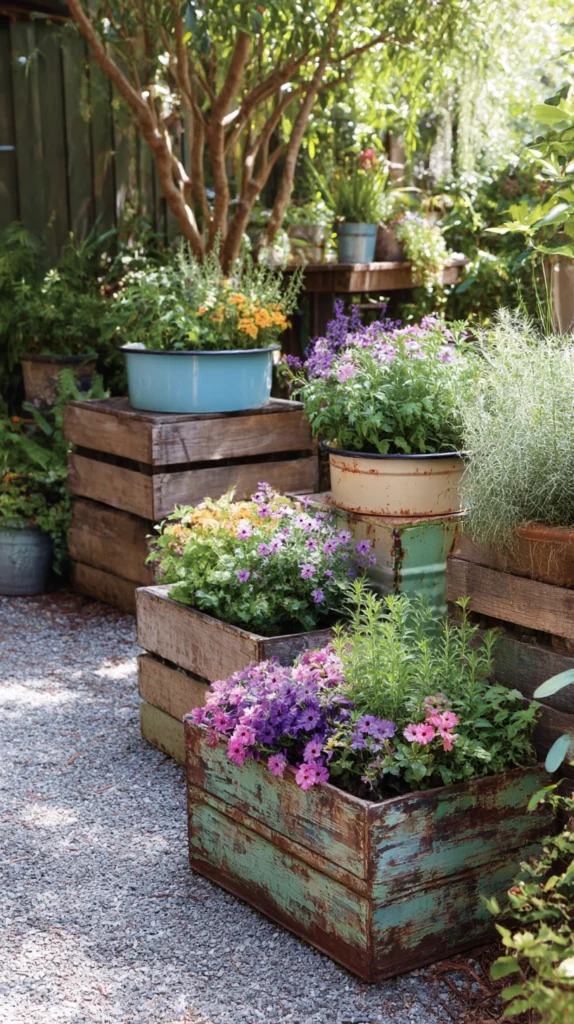
Budget: $5 – $40
Olive oil tins, wooden wine crates, galvanised buckets, old colanders, cracked terracotta chimney pots, retired wellington boots, vintage enamel bowls — almost any vessel that holds compost and can be given drainage holes becomes a planting container, and a collection of genuinely repurposed objects planted consistently and grouped with intention becomes a display that no purchased pot collection can replicate. The character that use and age give to a container is impossible to manufacture.
Drainage holes in metal containers require a drill with a 6-millimetre metal bit ($0 if you own a drill, $15–$25 for a basic model if you do not). A bag of multipurpose compost costs $8–$15 and fills a surprising number of small containers. The plants themselves can be as simple as a single annual flower, a trailing plant, or a small herb — the container is doing the visual work and the plant need only be healthy and well-suited to the position.
Style tip: Paint the interior of metal repurposed containers with a coat of bitumen sealant ($8–$15 for a tin) before planting. Untreated metal reacts with the acids in compost and the minerals in water to produce rust that leaches into the growing medium and eventually compromises plant health, while also corroding the container from the inside far faster than exposure to the elements corrodes it from the outside.
5. The Tomato Grow Bag Setup
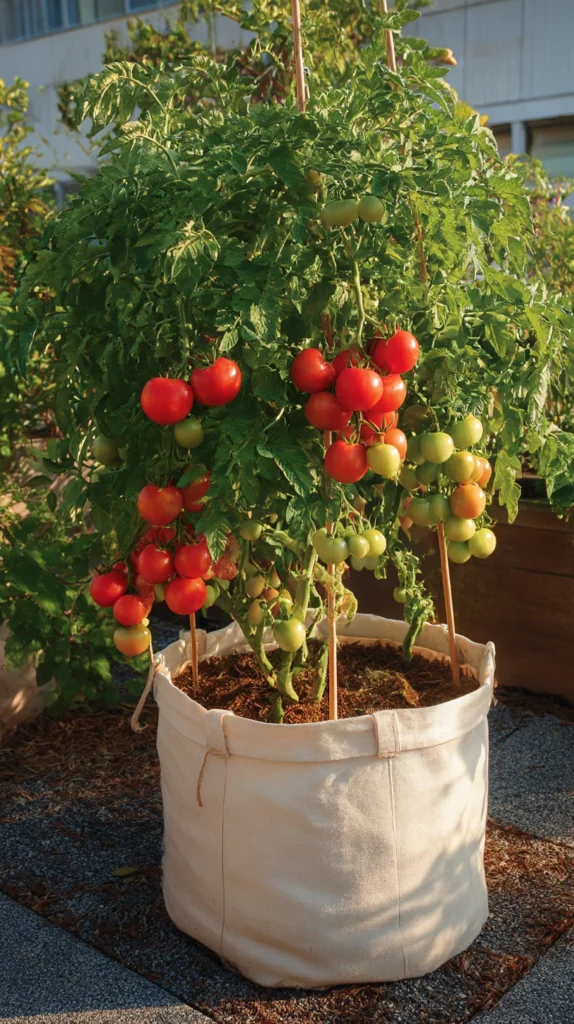
Budget: $20 – $80
A grow bag — a flat bag of compost laid on its side with planting holes cut in the top — is the least glamorous and most reliably productive container growing method for tomatoes, cucumbers, peppers, and aubergines. It provides more root volume than most pots of a similar cost, drains freely, and is replaced each season so disease does not accumulate in the growing medium the way it does in permanently planted containers. For food production in a small space, grow bags produce more per pound spent than almost any other method.
A standard grow bag costs $5–$10 and contains enough compost for two to three tomato plants. A grow bag frame ($10–$20) holds the bag open and upright rather than allowing it to slump, which improves drainage and makes watering more effective. A bottle drip irrigator — an inverted plastic bottle with a slow-release nozzle pressed into the compost — costs $2–$5 and reduces the watering frequency for a single grow bag from daily to every two to three days at the height of summer.
Style tip: Stand grow bags on a layer of gravel or a slatted surface rather than directly on solid ground or paving. A grow bag in direct contact with a non-draining surface becomes waterlogged from below after rain, and the combination of wet compost sitting in standing water produces the root rot conditions that kill tomato plants faster than any pest or disease.
6. The Raised Container Bed
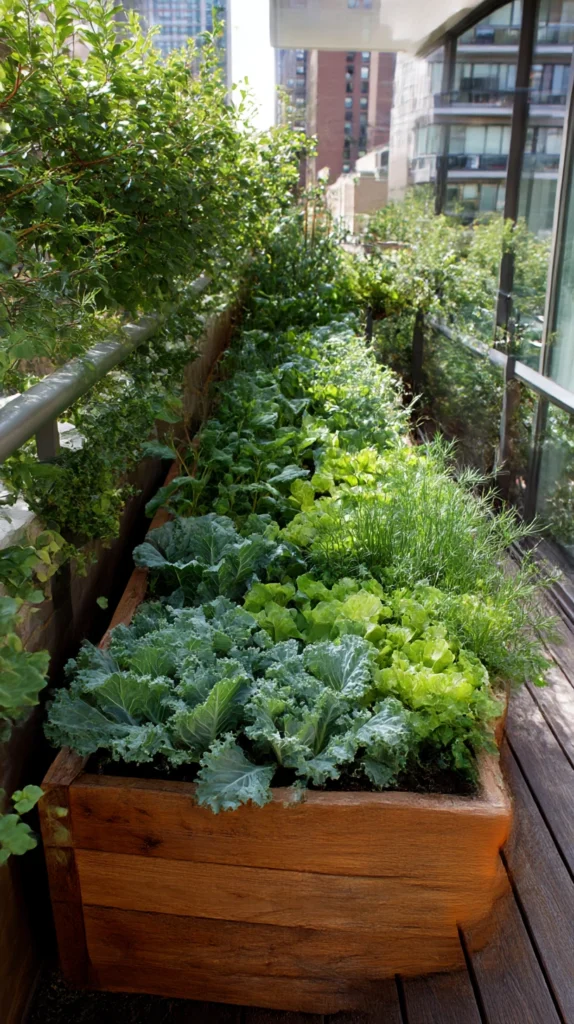
Budget: $60 – $250
A large raised container — essentially a deep planting trough on legs or a high-sided timber frame with a waterproof liner — brings the growing surface to waist height, eliminating the bending and kneeling that makes ground-level gardening uncomfortable for many people, and provides the root depth that most container plants genuinely need but rarely receive. A raised container bed at the right height is as comfortable to tend as a kitchen counter and as productive as a raised ground-level bed of the same footprint.
A cedar or redwood raised bed frame in a 60 by 120 centimetre size costs $60–$150. A galvanised steel trough of similar dimensions runs $80–$200. Lining the interior with a permeable landscape fabric before filling with compost prevents the growing medium from washing out through any gaps while maintaining drainage. Fill the bottom quarter with twigs, straw, or cardboard before adding compost — it reduces the volume of compost required and breaks down slowly to add organic matter to the growing medium over time.
Style tip: Set the raised container bed on castors ($3–$5 each, four required) rather than directly on the ground or paving. A container bed on wheels can be repositioned to follow the sun across a balcony or terrace as the season progresses, turned to give all sides equal light exposure, and moved under cover during heavy rain or early frost without requiring any structural effort.
7. The Cut Flower Container Garden
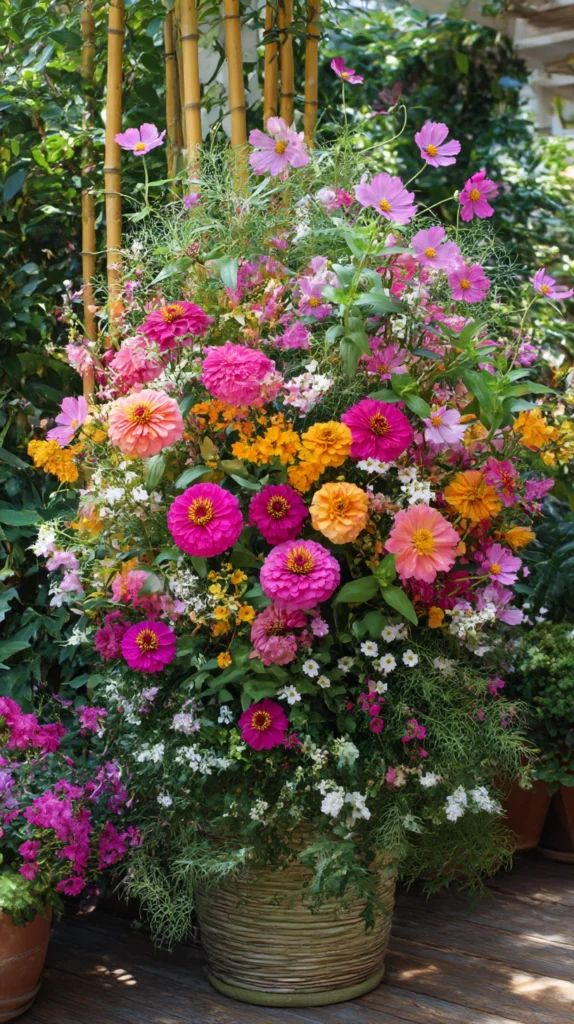
Budget: $25 – $100
A container garden grown specifically for cut flowers — sweet peas, zinnias, cosmos, cornflowers, dahlias, snapdragons — produces an ongoing supply of fresh flowers for the house from midsummer to first frost and gives the container garden a purpose and a harvest rhythm that purely ornamental planting lacks. A large pot of sweet peas trained up a bamboo wigwam produces enough flowers for a vase a week for six to eight weeks; a pot of zinnias cut regularly becomes more productive the more it is harvested.
A large 40-litre pot costs $15–$35. Sweet pea seeds cost $2–$4 per packet and produce fifteen to twenty plants — more than enough for a generous container. Zinnia and cosmos seeds run $2–$3 per packet. A bamboo wigwam for sweet peas costs $5–$10 to build from four bamboo canes and a length of garden twine. Cut flowers in the morning when the stems are most turgid and condition them immediately in a deep bucket of water for two hours before arranging — flowers cut in direct afternoon sun wilt within hours even in water.
Style tip: Sow cut flower seeds in three batches, two weeks apart, rather than all at once. Successional sowing extends the flowering season by four to six weeks and prevents the all-at-once glut followed by the bare-pot gap that a single sowing inevitably produces. Label each batch with the sowing date so the succession can be managed intentionally rather than guessed at.
8. The Mediterranean Container Garden
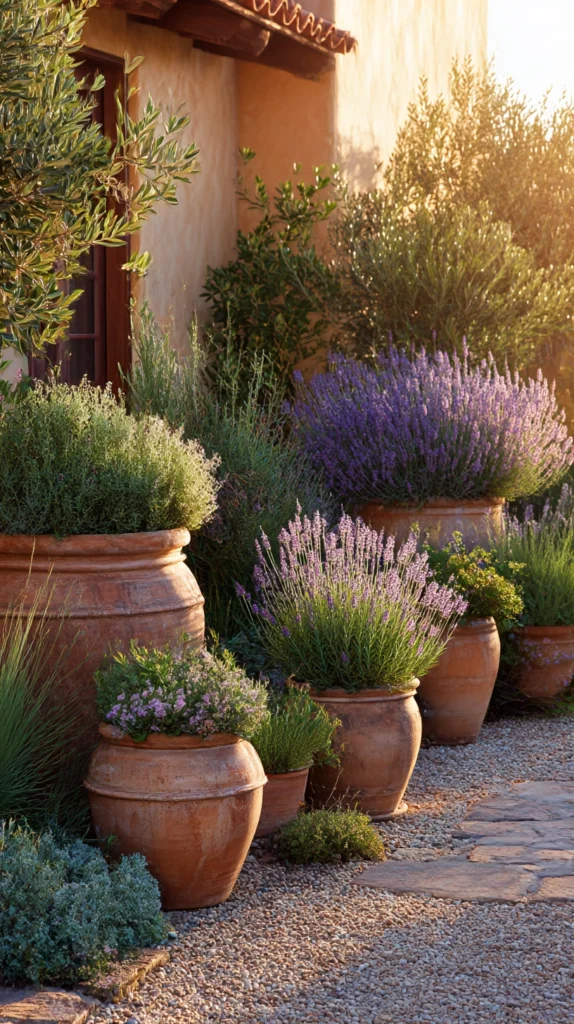
Budget: $40 – $150
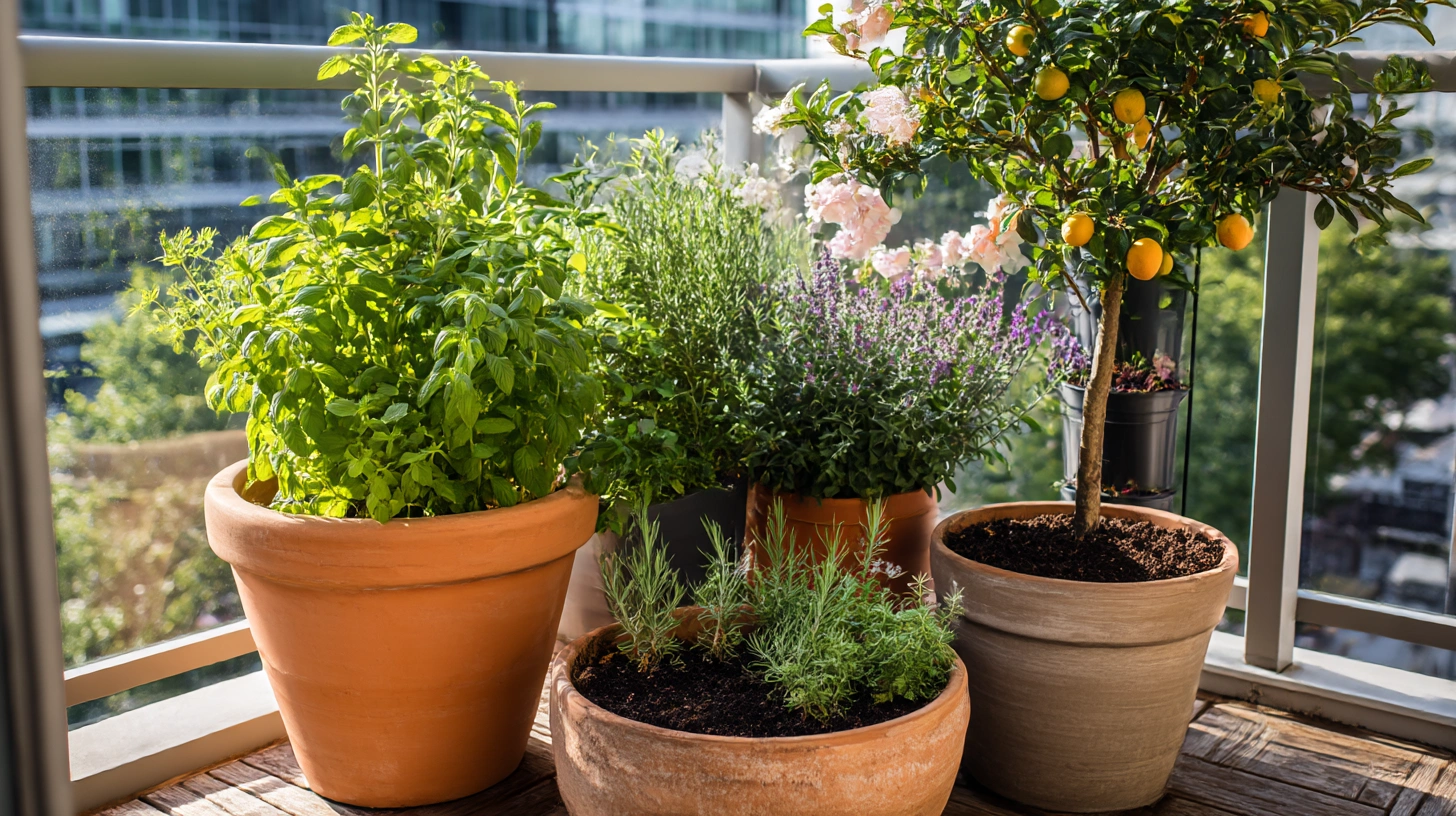
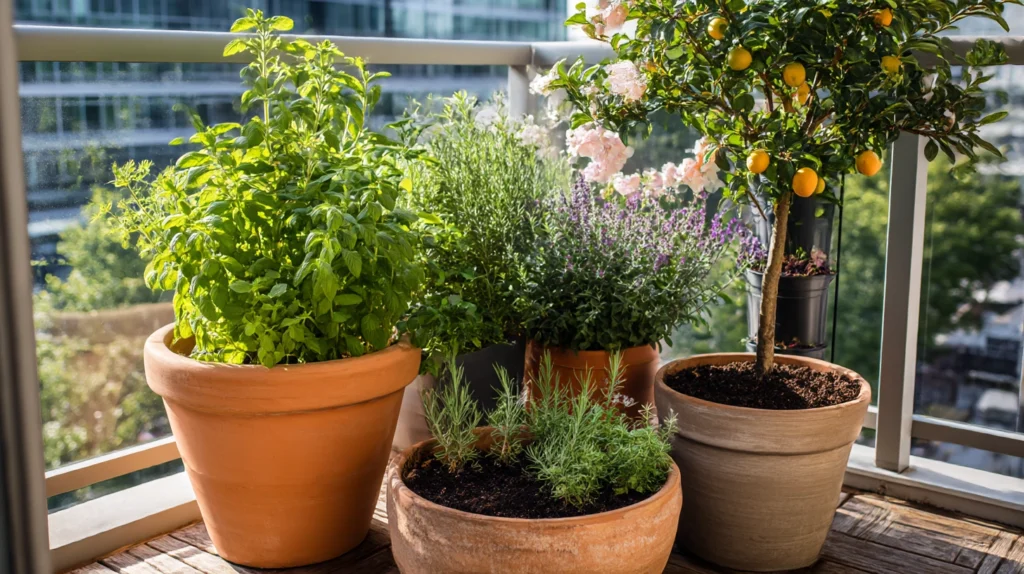
A collection of containers planted exclusively with drought-tolerant Mediterranean plants — lavender, rosemary, thyme, oregano, sage, cistus, agapanthus — produces a garden that looks its best in the conditions that defeat most other container plantings: high summer heat, occasional neglect, and weeks without rain. Mediterranean plants in containers require watering only once a week in normal summer conditions and less frequently in cooler periods, and they reward the minimal attention they receive with flowers, fragrance, and foliage that improves year on year.
Lavender plants cost $5–$10 each. Rosemary and thyme run $3–$6 per plant. Agapanthus bulbs cost $4–$8 each and produce their spectacular blue flowers reliably from the second year onward. Use a gritty, free-draining compost mixed with at least 30 percent horticultural grit ($5–$8 per bag) rather than standard multipurpose — Mediterranean plants in standard compost sit in moisture that their roots are not adapted to tolerate and develop the root rot that kills them faster than any amount of drought would.
Style tip: Top-dress every Mediterranean container with a 2-centimetre layer of horticultural grit or fine gravel after planting. The grit mulch prevents moisture from sitting against the base of the stems — the most common cause of rot in lavender and rosemary — reflects warmth back up into the plant from the sun, and gives the container a finished, considered appearance that bare compost never achieves.
9. The Children’s Grow-Your-Own Container
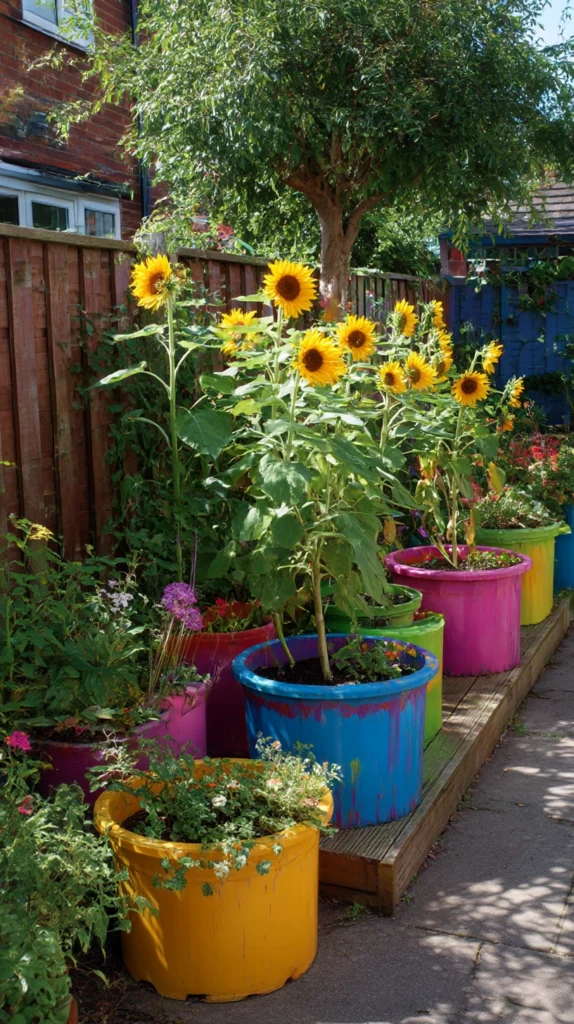
Budget: $15 – $50
A dedicated container growing project for children — a pot of sunflowers, a grow bag of cherry tomatoes, a small planter of strawberries — produces the most reliable and most meaningful gardening result available: a child who eats something they grew themselves and wants to do it again. The container format is ideal for children because it is manageable, responsive, and produces results quickly enough to maintain interest through the weeks between sowing and harvest.
Sunflower seeds cost $2–$3 per packet and germinate within a week in warm conditions. Cherry tomato plants cost $3–$6 each and produce fruit children will actually eat continuously from July to October. Strawberry plants run $3–$5 each and fruit in the first year. Give each child their own container rather than a shared one — personal ownership of a growing project produces significantly more engagement and significantly less conflict than shared custody of a single pot.
Style tip: Let the child choose the container as well as the plant. A child who has selected a pot in their favourite colour, painted it, or decorated it with their name is invested in the container itself as well as its contents — and that investment extends to the watering, the feeding, and the anxious daily checking that makes a growing project succeed.
10. The Shade Container Garden
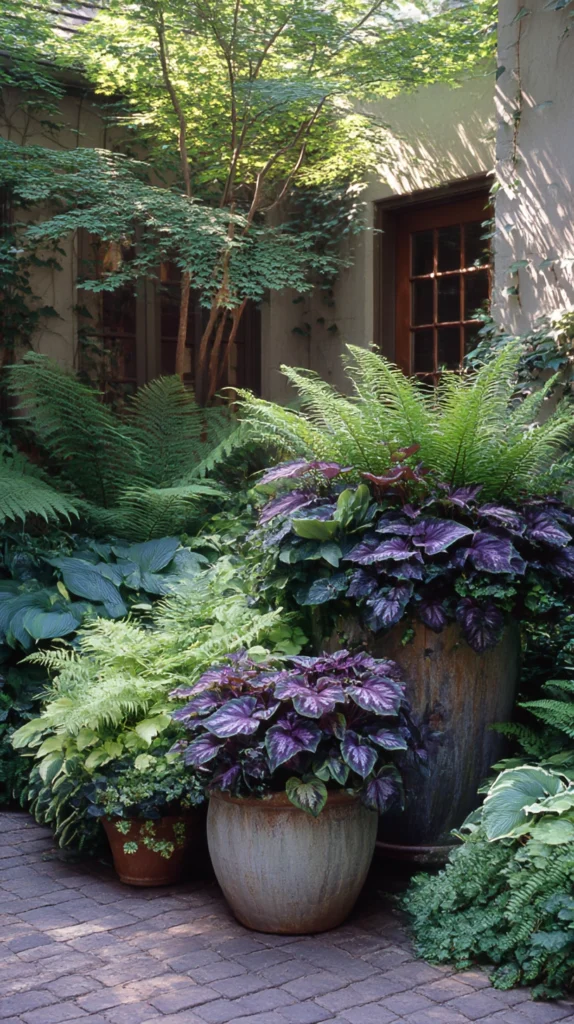
Budget: $30 – $120
A north-facing balcony, a shaded courtyard, a paved area beneath a tree: spaces that receive little or no direct sun are not unsuitable for container gardening but simply require a different plant palette. Ferns, hostas, astilbes, impatiens, begonias, and heucheras all thrive in shade, and a container collection built around shade-tolerant foliage plants produces a garden that is cooler, calmer, and in many ways more interesting than a sun-blasted collection of the same plants grown in full exposure.
Hosta plants cost $8–$20 each depending on variety. Ferns run $5–$15. Heucheras — grown for their extraordinary range of foliage colour from lime green to near-black — cost $8–$15 each and are the most versatile shade container plant available. Use moisture-retentive compost mixed with perlite in shade containers — the reduced evaporation in shaded positions means overwatering is a more common problem than underwatering, and perlite improves drainage without reducing moisture retention.
Style tip: Build a shade container garden around one or two statement foliage plants — a large hosta, a tree fern, a dramatic heuchera — and use smaller plants to fill around them rather than assembling a collection of equal-sized specimens. A shade garden with a clear visual hierarchy reads as designed; one where every plant is the same size reads as a collection of things that happened to end up in the same place.
11. The Seasonal Succession Container
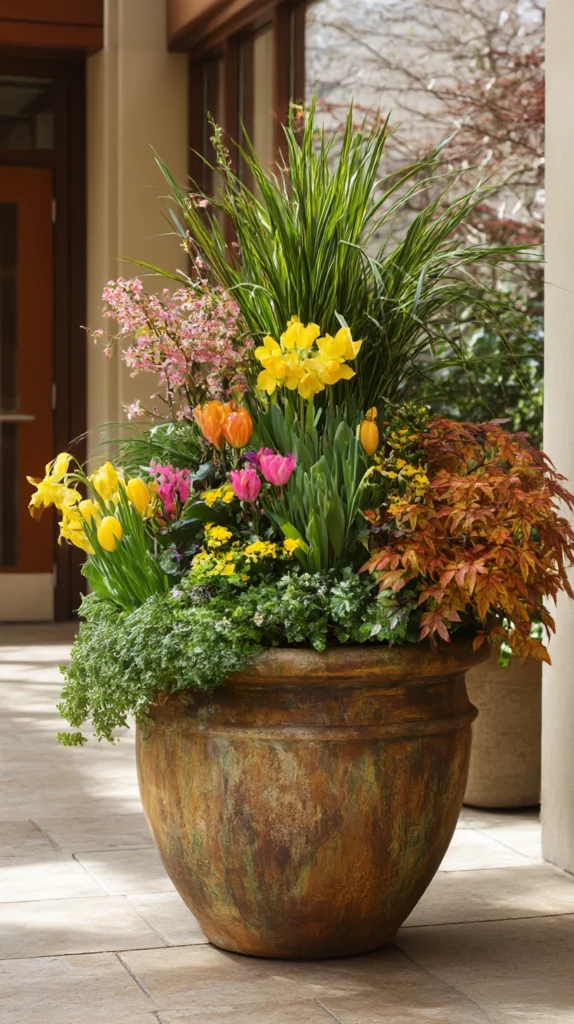
Budget: $25 – $80 per season
A large container planted specifically for seasonal succession — spring bulbs giving way to summer annuals, summer annuals replaced by autumn cyclamen and ornamental kale, winter containers of hellebores and evergreen ivy — means the same pot in the same position looks deliberately different every season rather than progressively worse as the original planting fades. The container remains a feature year-round and the replanting rhythm gives the container gardener a regular reason to engage with the space.
Spring bulbs for forcing cost $5–$15 per bag. Summer annual plants run $2–$5 each. Autumn and winter plants cost $3–$8 each. The key is replacing plants before they have fully finished rather than after — a container replanted when the spring bulbs are just past their best but not yet fully collapsed looks continuously well-kept; one left until the foliage has completely died down goes through a period of looking neglected that the new planting has to overcome.
Style tip: Plant spring bulbs in a bulb lasagne — multiple layers at different depths in the same container, with late-flowering varieties deepest and early-flowering varieties closest to the surface. A lasagne of tulips, daffodils, and crocuses in a single large pot produces three successive waves of flowering from February to May from a single container that would otherwise stand empty through the coldest months.
12. The Fruit Tree Container Orchard
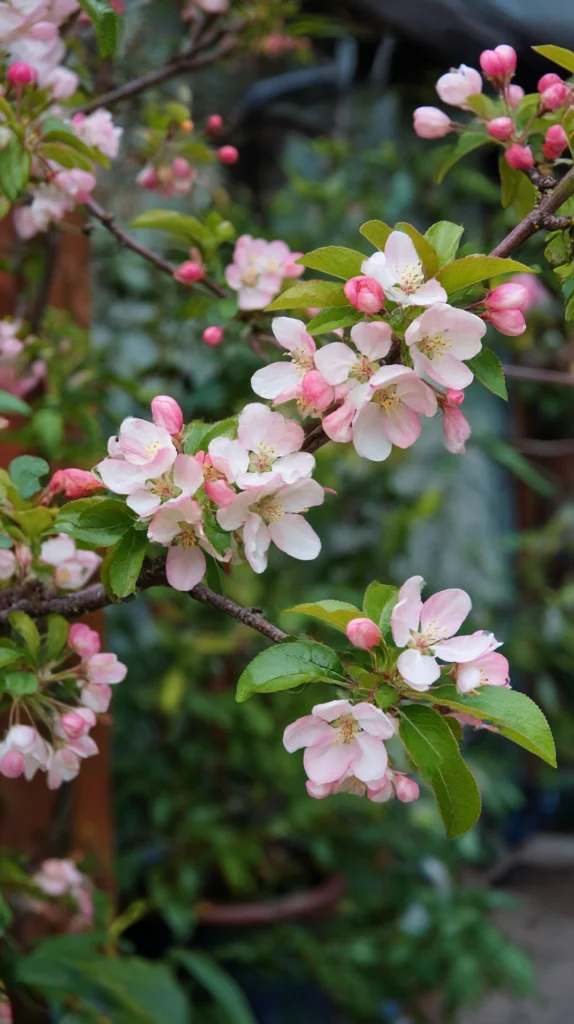
Budget: $60 – $300
Dwarf and patio fruit trees — apple, pear, plum, cherry, peach — grown in large containers on a balcony, terrace, or courtyard produce real fruit from a real tree in a space where a standard fruit tree would be entirely impossible. A dwarf apple on a dwarfing rootstock in a 50-litre container produces fifteen to thirty apples per season from the third year onward. Two compatible varieties in adjacent containers — most tree fruit requires a pollination partner — produce a small orchard in the space of two large pots.
A patio apple tree on a dwarfing rootstock costs $25–$60. A patio cherry or peach runs $30–$80. A 50-litre container costs $20–$45. Feed with a high-potassium liquid fertiliser ($8–$15 per bottle) every two weeks from the moment the first flowers open until the fruit is harvested — fruit trees in containers deplete their growing medium of potassium faster than any other nutrient and the visible result of potassium deficiency, poor fruit set and small fruit size, is entirely avoidable with consistent feeding.
Style tip: Repot container fruit trees into fresh compost every two years rather than simply top-dressing the surface. A fruit tree that has been in the same compost for three or more years is growing in a depleted, compacted medium that no amount of surface feeding can fully compensate for. Repotting in late winter, before the new season’s growth begins, is the single most effective maintenance intervention available to a container fruit grower.
The best container garden is not the largest one or the most planted one — it is the one that suits the space it occupies, performs reliably in the conditions it faces, and gives its owner a reason to look at it every day and tend to it every week. A single well-chosen pot in the right position, planted thoughtfully and maintained consistently, gives more pleasure than a dozen containers chosen hastily and tended sporadically.
Start with what you will actually use — food you will eat, flowers you will cut, a plant whose foliage you find genuinely beautiful — and let the collection grow from there. The containers will follow. They always do.