12 Father’s Day Table Decor Ideas for the Perfect Family Dinner
A Father’s Day dinner table should feel like the most considered version of the table he already loves — the one where the family gathers, where the food is genuinely good, and where the atmosphere communicates without any announcement that this evening was arranged specifically for him. The best Father’s Day table decoration is not the most elaborate or the most expensive. It is the one that reflects the personality of the man being celebrated and the specific character of the family doing the celebrating.
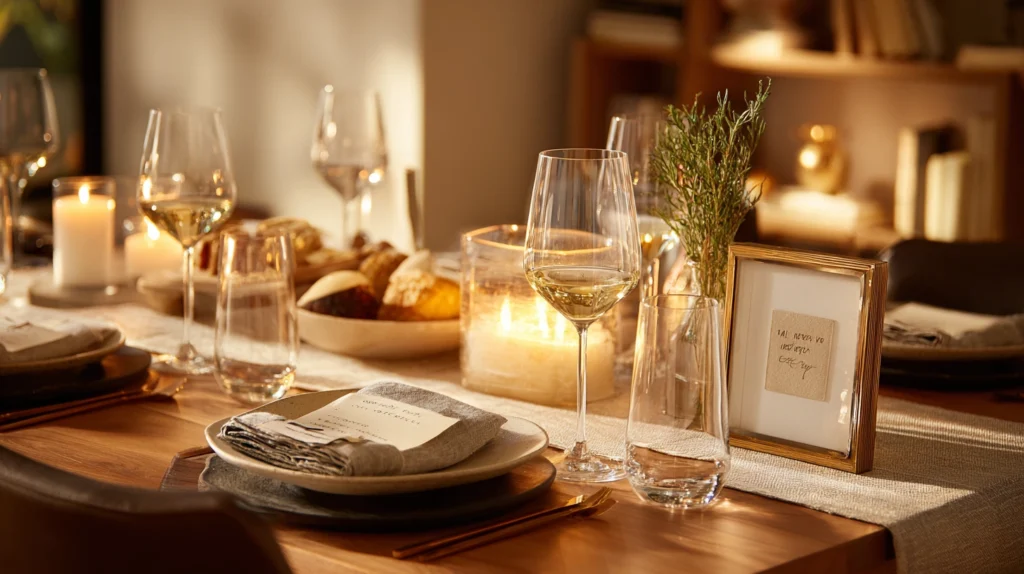
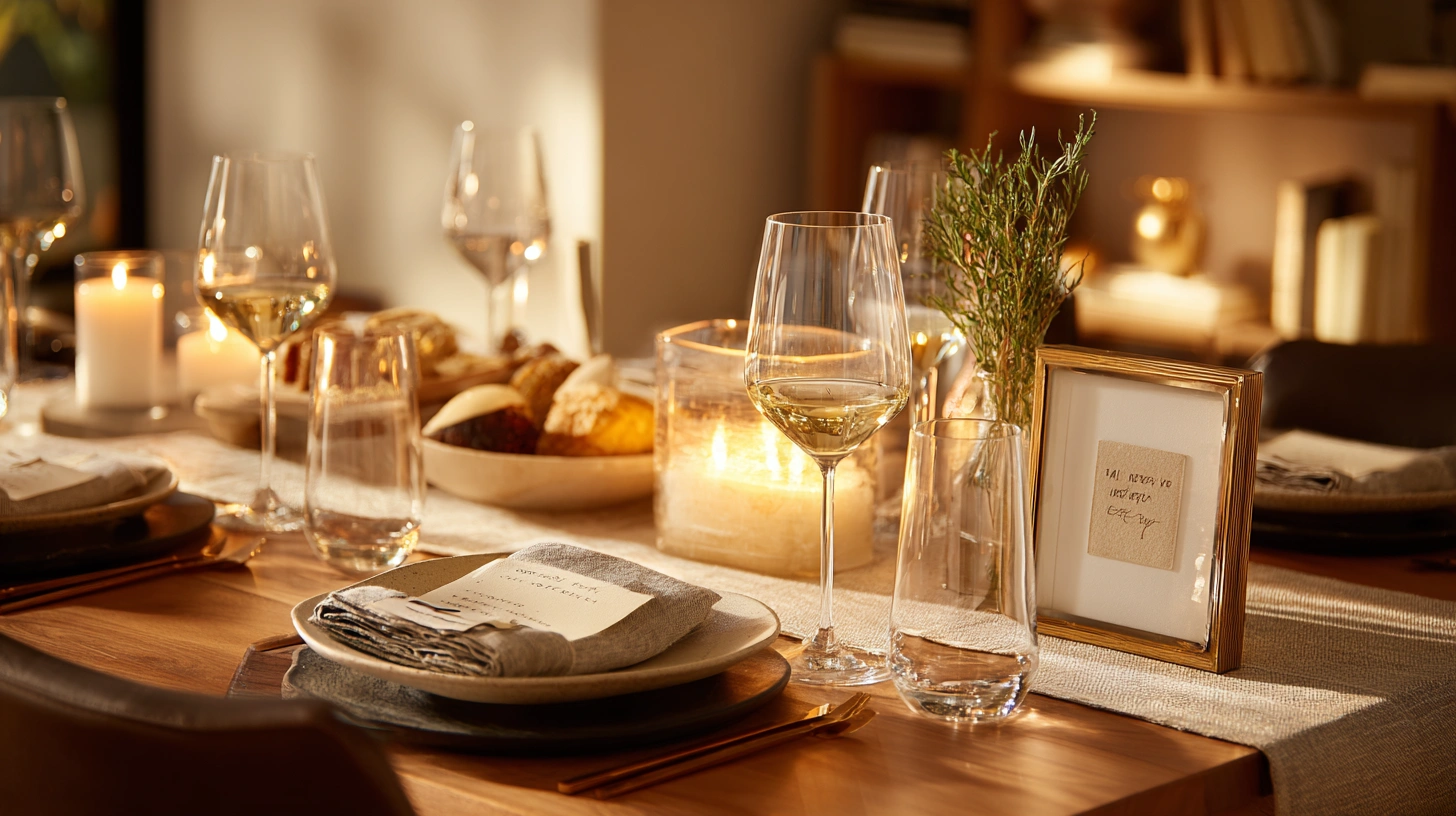
Unlike a public holiday table dressed in a universal colour palette, a Father’s Day table earns its place through personalisation. The objects on it, the colours chosen, the food displayed, and the details at each place setting should all carry some reference to the specific person at the head of the table — what he loves, what he finds beautiful, what kind of man he is, and what this family means to him.
1. The Personalised Place Card Setting
Budget: $10 – $60
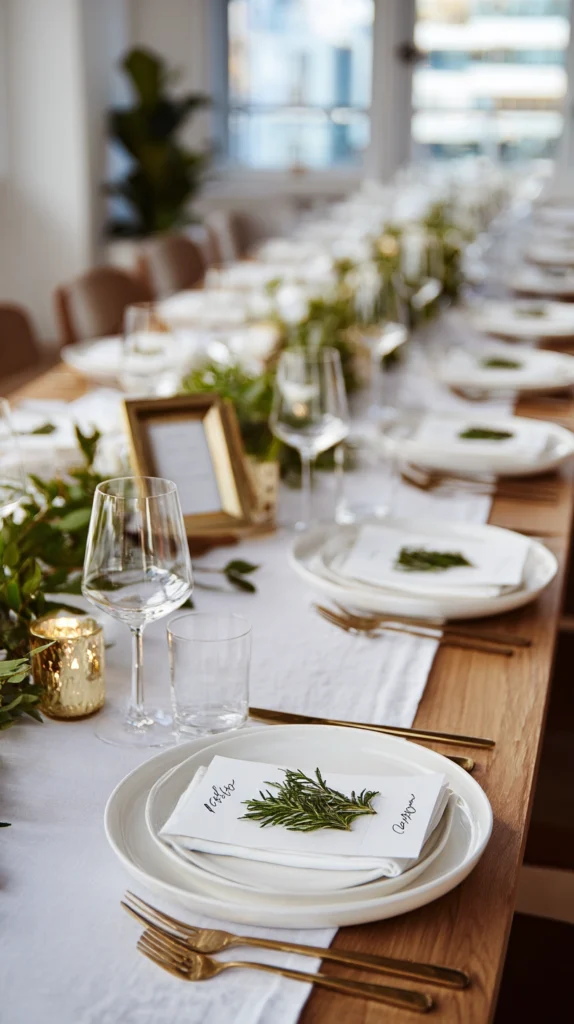
A Father’s Day table where every place has been individually considered — a handwritten place card with each person’s name, a small personal object or favour that references something specific to each family member, and a personalised card for the guest of honour explaining why his place at the table matters — creates an atmosphere of genuine attention that no amount of floral decoration or expensive tableware can replace. The personal detail is always the most powerful element of any celebratory table.
For the father’s place specifically — consider a leather luggage tag with his initials as the place card holder, a small framed photograph of a significant moment between father and children, or a handwritten list of reasons the family is grateful for him, rolled and tied with ribbon beside his glass. The personalised place setting is the element of the Father’s Day table that will be noticed first and remembered longest.
Styling tip: Write place cards in a consistent hand — one person writes all of them rather than each family member writing their own. Consistency of handwriting creates a composed, unified table; varied handwriting across the place cards, however charming in intention, creates a visual inconsistency that reduces the overall coherence of the setting.
2. The Favourite Colour Palette Table
Budget: $40 – $180
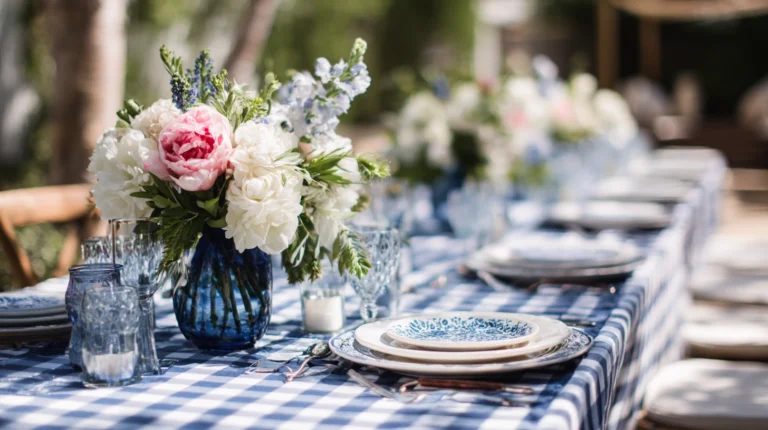
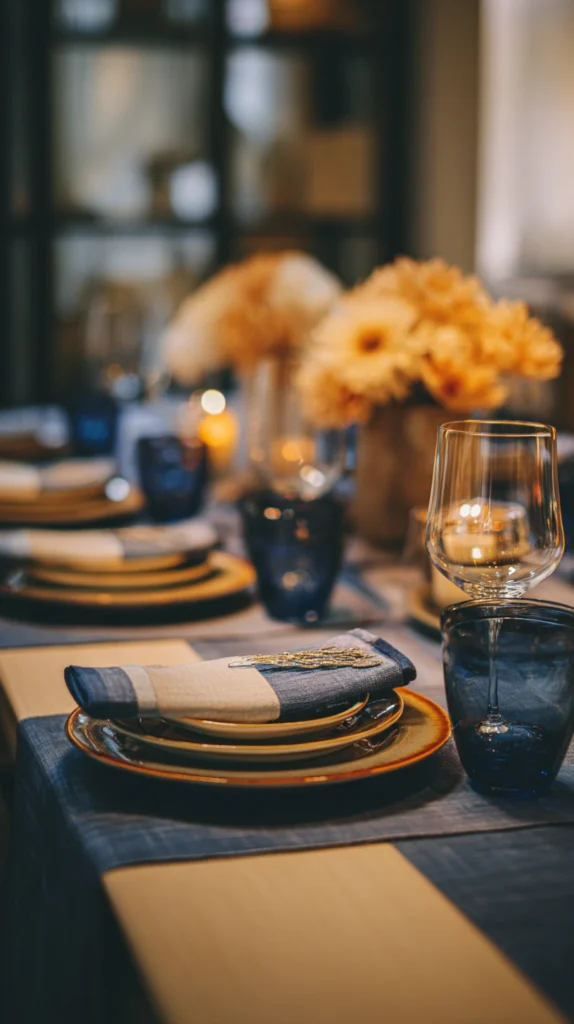
Rather than defaulting to a generic Father’s Day colour scheme — blue and white, or brown and green — dress the table in his actual favourite colours. The man who loves deep navy and warm amber deserves a table in deep navy and warm amber. The man who has always preferred forest green and natural linen gets forest green and natural linen. A table that reflects his specific aesthetic preferences communicates that the celebration was designed for him rather than for a generic version of the occasion.
Build the colour palette from the tablecloth outward — the cloth sets the dominant tone, the napkins introduce the secondary colour, and the flowers, candles, and accessories refine the palette to its most specific expression. A table in colours he would choose for himself is the most personal and the most quietly impressive Father’s Day table available.
Styling tip: If his colour preferences are genuinely unknown or genuinely neutral, default to the colours of his most-worn outfit or his most-used room. People’s colour preferences are always visible in the spaces and clothes they consistently choose — observing what he gravitates toward is more reliable than asking directly.
3. The Hobby-Themed Centrepiece
Budget: $30 – $150
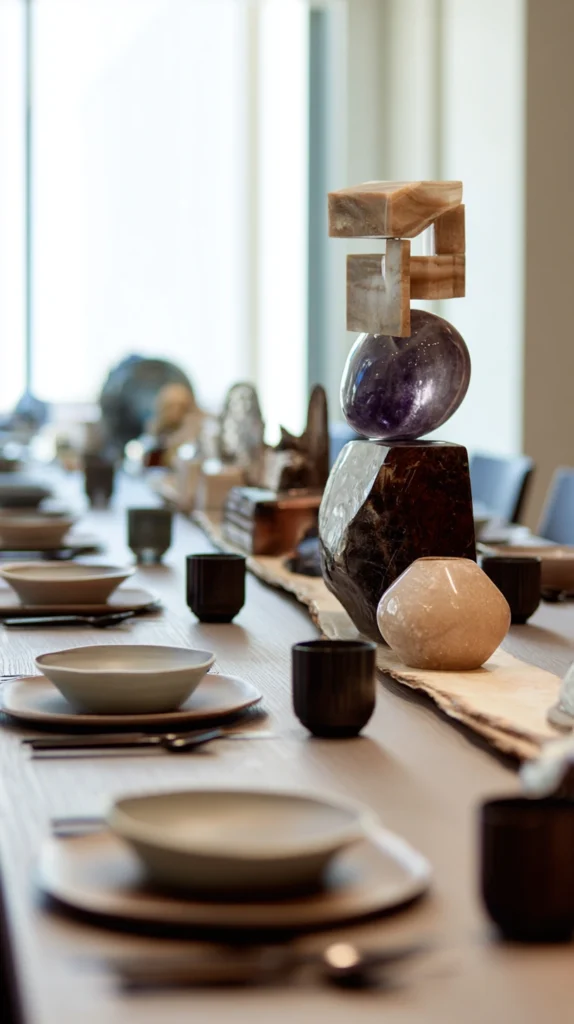
A centrepiece that references his specific interests — fishing flies arranged in a glass vase, vintage golf balls in a wooden bowl, small stacked gardening books with a plant tucked beside them, a whisky decanter and glasses as the table centrepiece, old maps folded and framed as a backdrop to a travel-themed arrangement — creates a table focal point of genuine personal resonance that a generic floral centrepiece entirely lacks.
The hobby-themed centrepiece requires knowledge rather than budget. A collection of objects from his workshop, his tackle box, his record collection, or his garden, arranged with enough care to read as a composed display rather than a pile of things, communicates intimacy and attention in a way that purchased flowers or manufactured table decorations cannot replicate regardless of their cost or quality.
Styling tip: Combine the thematic objects with one natural element — fresh greenery, a single stem of a beautiful flower, a small potted plant — to give the themed centrepiece a living quality that purely object-based arrangements lack. The natural element prevents the centrepiece from reading as a display case and keeps it feeling like a table decoration rather than an exhibit.
4. The Memory Timeline Table Runner
Budget: $15 – $60
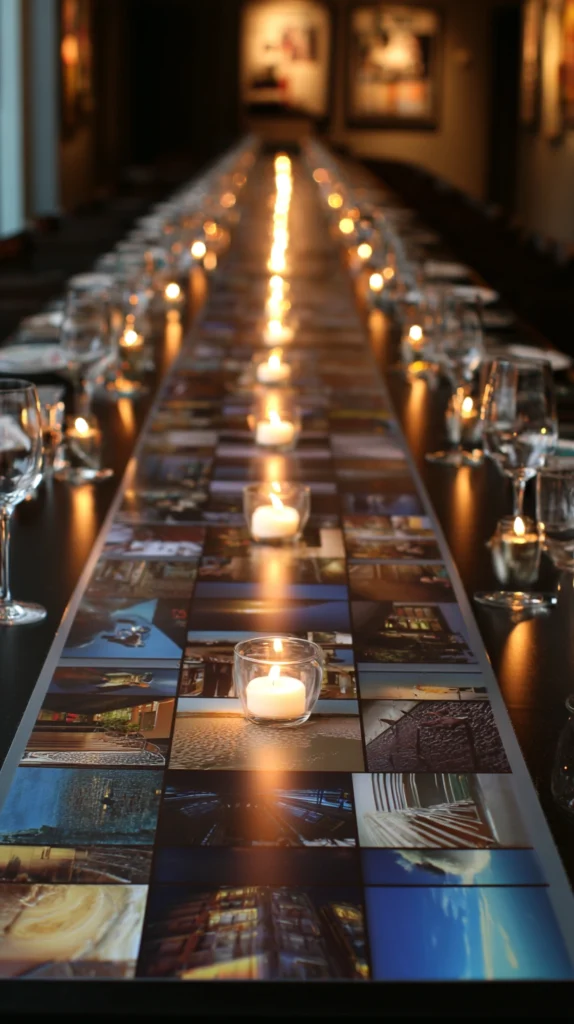
A table runner made from printed photographs — a timeline of significant family moments printed at a consistent size, mounted on card, and laid in chronological sequence along the centre of the table — creates a centrepiece that is simultaneously decorative and genuinely moving. The photographs prompt conversation, invite stories, and create a visual record of the family’s history that makes the table itself a celebration of the relationship rather than simply a surface for food.
Print photographs at 4×6 inches on good quality photo paper ($0.20–$0.50 each at a print shop or home printer) and mount on kraft card for a natural, warm presentation. Lay in sequence with small tea light candles between each photograph for a runner that transitions beautifully to an evening atmosphere as the candles are lit. Add small written captions beside each image — the date, the occasion, one sentence of context.
Styling tip: Begin the timeline at the end of the table closest to where he will sit and run it toward the other end — so the first image he sees when he sits down is the earliest photograph, and the runner unfolds toward the present as his eye travels along the table. The directional narrative gives the runner a story structure that a randomly arranged photograph collection lacks.
5. The Outdoor Grill Master Table
Budget: $50 – $200
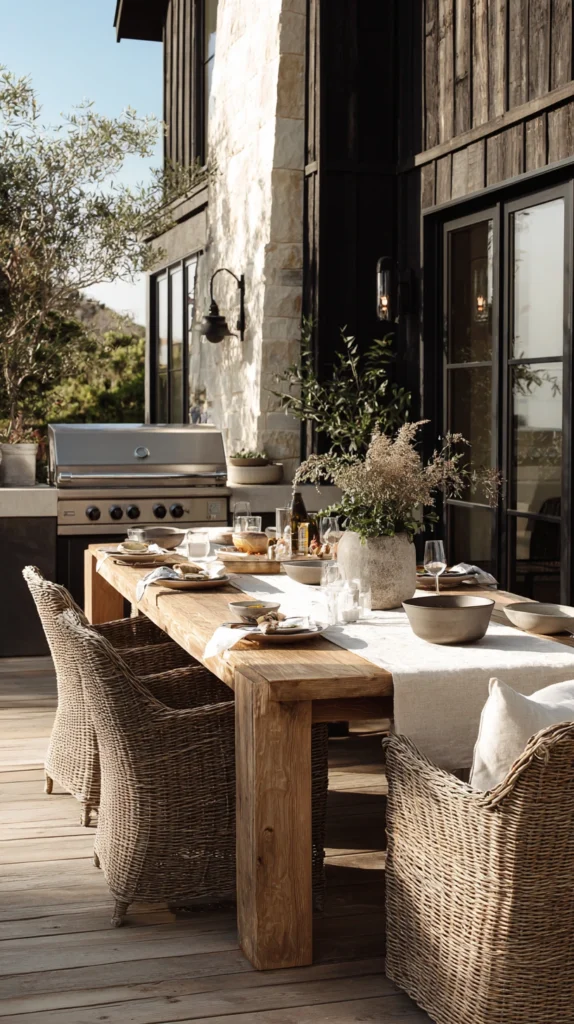
For the father whose domain is the barbecue — who takes genuine pride in the outdoor grill and for whom Father’s Day dinner is inseparable from the ritual of cooking it himself — dress the table in a style that celebrates that identity. Kraft paper tablecloth across a wooden table, enamel plates and wooden-handled cutlery, a central arrangement of fresh herbs in terracotta pots that can be snipped directly for the grill, galvanised metal buckets as coolers for drinks, and a personalised apron folded at his place as both decoration and gift.
The outdoor grill master table is as much about the setting as the surface — consider the positioning of the table relative to the grill, the height of the seating for maximum comfort beside the barbecue, and the proximity of the drinks station to the cooking area. A table that makes the experience of cooking and gathering as smooth as possible is the most practical and the most appreciated Father’s Day table of all.
Styling tip: Write the menu — what he is cooking, in his preferred order — on a small chalkboard or kraft paper card propped at the centre of the table. A written menu communicates that the meal was planned and that his cooking is being treated with the same seriousness as a restaurant experience — which, for a man who takes his barbecue seriously, is the most flattering possible acknowledgement of his skill.
6. The Fine Dining at Home Table
Budget: $80 – $400
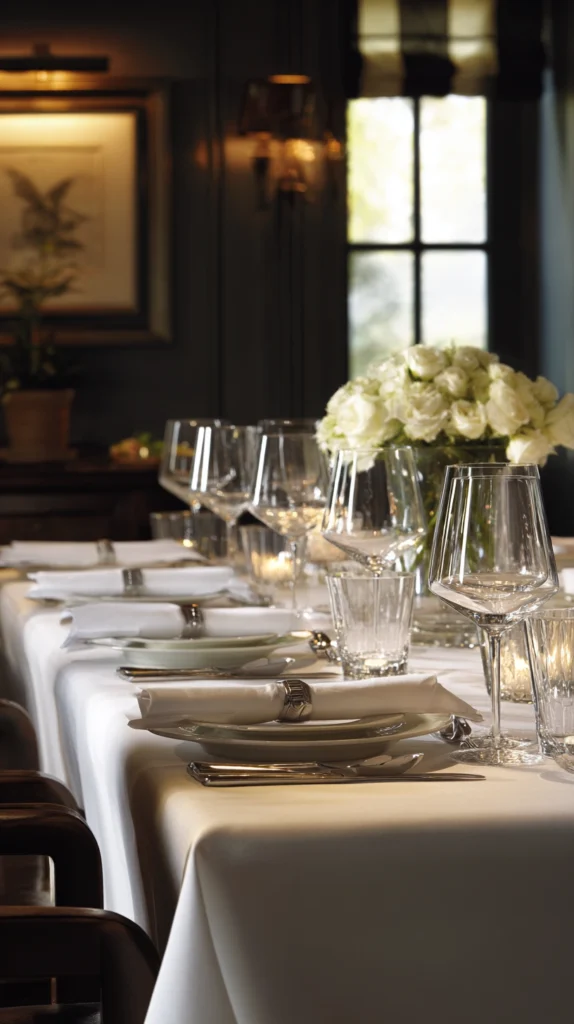
For the father who genuinely loves a fine restaurant experience — the starched cloth, the serious glassware, the considered place setting, the unhurried pace of a proper dinner — recreate that experience at home with enough fidelity to make the comparison meaningful. White cotton tablecloth pressed and laid properly, good quality glasses polished and positioned correctly, real silver or quality stainless cutlery laid in the right order for the courses being served, white cloth napkins folded simply on the plates, and a single stem in a bud vase at each place creates the atmosphere of a proper restaurant table without requiring the restaurant.
The fine dining table at home succeeds or fails on the quality of the cloth and the quality of the glassware — these are the two elements that most immediately communicate the seriousness of the setting. A pressed white cloth and clean, properly polished glasses elevate everything else on the table; a wrinkled cloth and fingerprinted glasses undermine everything else regardless of how much care has gone into the other elements.
Styling tip: Print a proper menu card for the evening — the courses, the dishes, the wines — in a clean, simple font on good quality card. A menu card at a home dinner communicates the effort that went into planning the meal and gives the evening the structured, unhurried quality of a genuine restaurant experience. It also prevents the question of what is for dinner from breaking the atmosphere between courses.
7. The Garden Harvest Table
Budget: $30 – $150
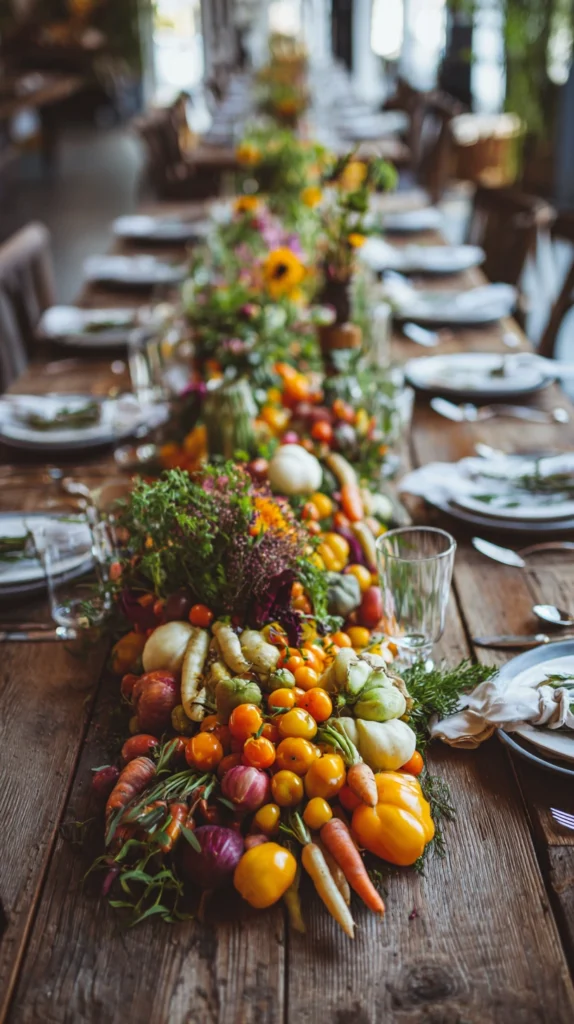
For the father whose garden is his great project — who has spent the spring and early summer tending vegetables, herbs, and flowers — set the Father’s Day table as a direct celebration of what that garden has produced. Vegetables harvested that morning arranged as the centrepiece, herbs from the garden in terracotta pots along the table centre, edible flowers scattered across the cloth, and garden produce incorporated into every element of the meal communicates a direct connection between his effort in the garden and the celebration at the table.
A wooden board as a table runner, laid with freshly harvested courgettes, bunches of herbs, small radishes, and garden flowers creates a centrepiece of extraordinary seasonal beauty that also functions as an ingredient station for the meal. The garden harvest table is the most directly personal Father’s Day table available for a father who grows — it says, with complete clarity: we see what you have made and we are celebrating it.
Styling tip: Use the produce that he is most proud of this season as the centrepiece focal point — if the tomatoes are exceptional this year, build the centrepiece around them. If the herb garden is at its best, let the herbs carry the display. The specific choice of which produce to celebrate communicates that you have been paying attention to what the garden has produced rather than assembling a generic harvest display.
8. The Sports and Team Colours Table
Budget: $30 – $150
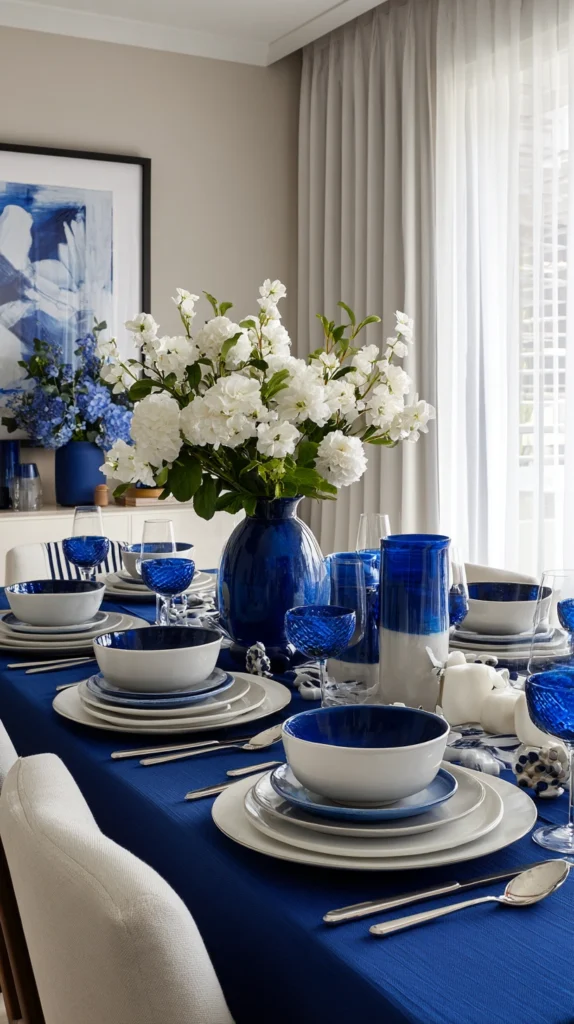
For the father whose love of a specific team or sport is a genuine and significant part of his identity — where the colours, the crest, and the history of the game are things he genuinely cares about — dress the table in those colours with enough quality and enough personal knowledge to make the reference feel like a tribute rather than a joke. A table in team colours, centred with a framed historic photograph of a significant moment in the team’s history, with a jersey or scarf folded as a table decoration, communicates that this passion is respected and celebrated rather than merely tolerated.
Execute the team colours table with quality materials — the colours should appear in linen napkins, quality ceramic plates, and a proper centrepiece rather than in disposable paper products and plastic accessories. The difference between a sports-themed table that looks considered and one that looks like a children’s birthday party is entirely in the quality of the materials used to execute the same colour combination.
Styling tip: Include one element that references a specific memory rather than the general team identity — a photograph from a match they attended together, a replica of a ticket stub from a significant game, a reference to a specific season or championship that meant something personal in the context of the family’s relationship with the team. The personal reference is what elevates the theme from decoration to tribute.
9. The Whisky and Candlelight Table
Budget: $60 – $250
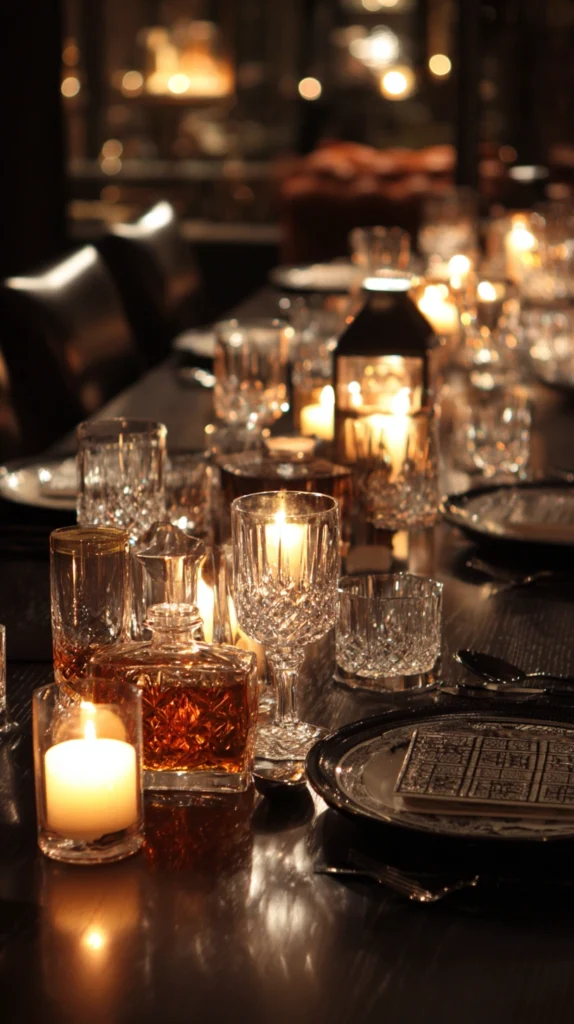
A table set for an evening whisky dinner — the kind of meal that is as much about the conversation and the drinking as the food — dressed in dark, rich materials: a dark linen tablecloth, leather-bound menu cards, crystal glasses for both water and whisky, low amber candlelight from multiple grouped candle heights, and a whisky flight arrangement at his place as both decoration and opening course. The whisky and candlelight table is the most atmospheric and the most adult Father’s Day table available — it suits the father who appreciates the slower, more contemplative rituals of a good evening.
A tasting flight board — a small wooden or slate board with three or four whisky glasses lined up for a guided tasting before dinner — costs $20–$50 to assemble and creates both a table decoration and a conversation starter that gives the evening a structured opening ritual. Label each glass with the whisky name and region in handwritten chalk on a small slate tag.
Styling tip: Keep the table deliberately uncluttered — the whisky flight, the candles, and a single stem arrangement in a dark ceramic vessel are sufficient. The whisky and candlelight table derives its atmosphere from restraint and quality rather than abundance and decoration. Every object on the table should be either functional or specifically beautiful — nothing decorative for its own sake.
10. The Children’s Made Table
Budget: $5 – $40
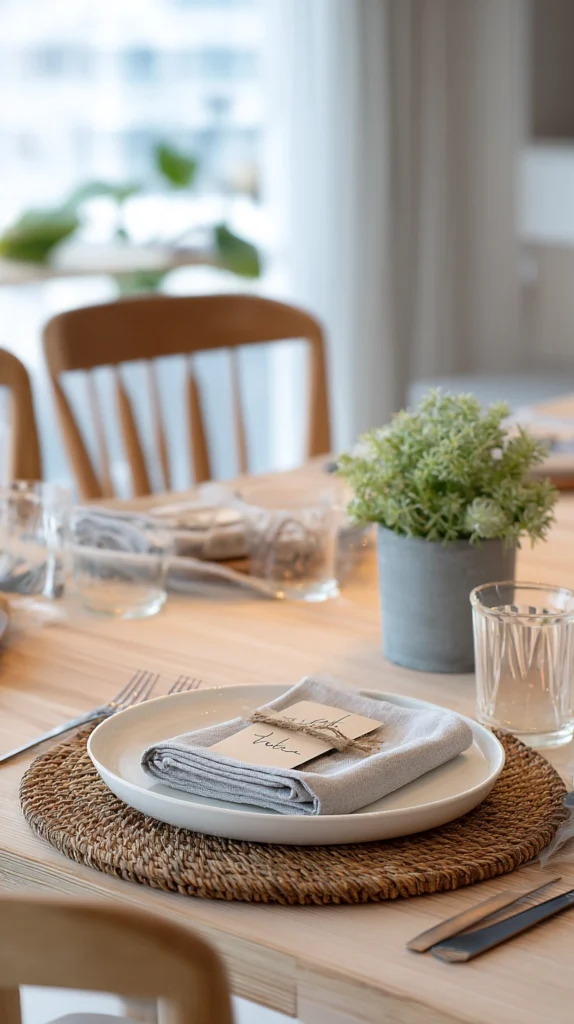
A Father’s Day table decorated entirely by his children — handmade place cards with drawings of him, hand-painted stones as napkin weights, a homemade centrepiece of wildflowers gathered from the garden, drawings framed in craft frames propped against the glasses, and a handmade bunting of paper triangles decorated with the things they love about him — is the most emotionally significant Father’s Day table available at any age of the children making it. The imperfections of the handmade objects are the point — they communicate effort, love, and the particular quality of a child’s genuine creative investment.
Guide the children in the making without directing the content — help with the physical construction but let the drawings, the words, and the specific things they choose to include remain entirely their own. The most moving Father’s Day table decoration is always the one that shows what the children chose to say when no adult told them what to say.
Styling tip: Frame or display each child’s contributions equally regardless of age or artistic skill — the seven-year-old’s careful drawing and the four-year-old’s enthusiastic scribble both deserve equal prominence at the table. Equal display communicates that every contribution was equally valued, which is both the right message for the children and the right atmosphere for the table.
11. The Breakfast in Bed Brought to the Table
Budget: $20 – $100
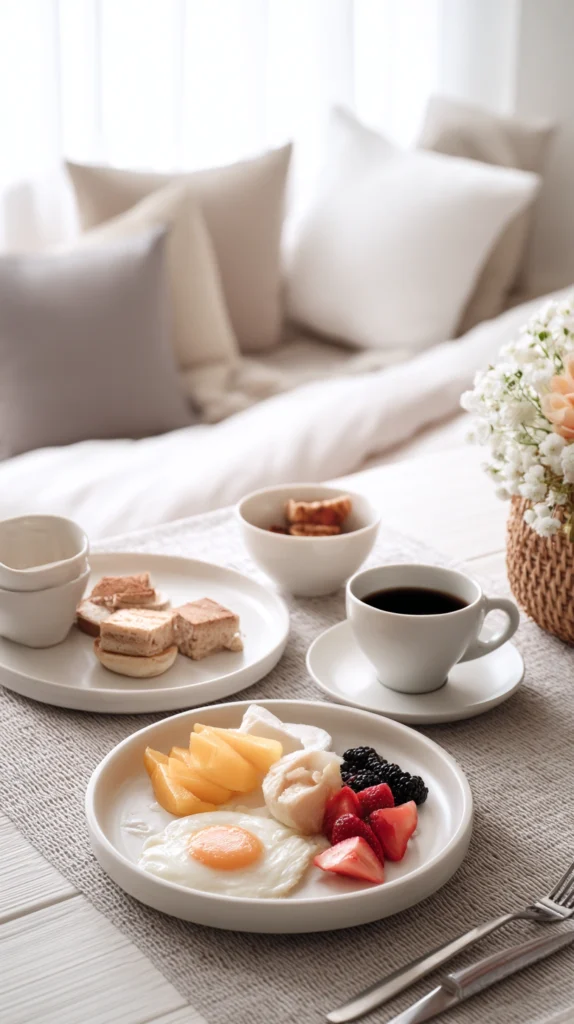
A Father’s Day that begins with breakfast served at a properly dressed table — rather than the more conventional breakfast in bed — creates a morning occasion that is simultaneously more comfortable, more generous, and more lasting than a tray balanced on the duvet. A small, carefully dressed table — fresh flowers, good coffee in a French press, a folded newspaper or his favourite magazine, freshly squeezed juice, and his preferred breakfast prepared with full attention — communicates that the morning was given over to his pleasure completely.
Dress the breakfast table with white cotton, a small vase of garden flowers in whatever is blooming that week, a single candle for atmosphere even in the morning, and his specific preferences at every place on the table — the coffee strength, the exact toast thickness, the specific preserve he always chooses. The specificity of the breakfast table is its most powerful quality.
Styling tip: Remove all practical objects from the breakfast table before he arrives — no phone chargers, no stacked newspapers, no half-finished drinks from yesterday. A clear, freshly set table communicates that it was specifically prepared for this morning. The absence of the usual domestic accumulation is as much of the decoration as anything that was added.
12. The After-Dinner Dessert and Toast Table
Budget: $30 – $120
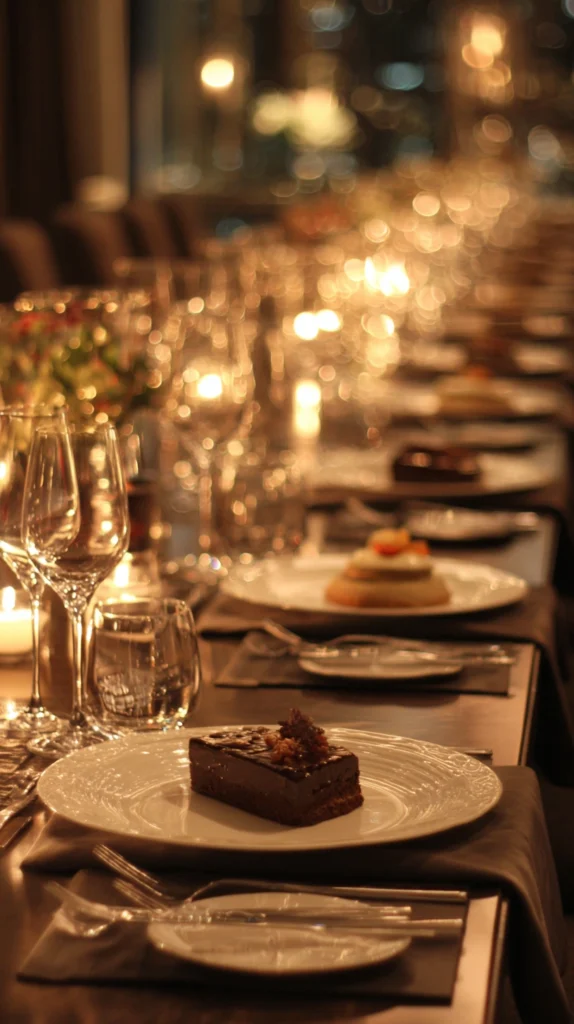
The most overlooked element of a Father’s Day dinner table — the transition from the main course to the dessert and the moment of celebration that should mark the occasion explicitly — can be transformed into one of the most memorable parts of the evening with relatively modest effort. A dessert board laid at the centre of the cleared table — his specific favourite dessert, a small cake with a personal decoration, or a selection of his preferred sweet things arranged on a beautiful board — alongside champagne or sparkling wine glasses already filled for a toast, and a handwritten card propped against the centrepiece that contains the toast, creates a table moment of genuine occasion.
The toast is the emotional centrepiece of the Father’s Day table — more than any decoration, more than any food, the moment when someone says clearly and specifically what this person means to the family is the moment the table and the evening fully justify themselves. Write the toast in advance, say it clearly, and mean every word.
Styling tip: Dim the lights and light a fresh candle at the dessert course — the change in light quality signals a transition from the meal to the celebration and creates a distinct atmosphere for the toast that separates it from the dinner preceding it. The simple act of lowering the lights makes the final act of the Father’s Day table feel like the conclusion it deserves to be.
The Father’s Day dinner table at its best is simply the most attentive version of every family dinner that came before it — the same table, the same people, the same fundamental warmth, but with every detail turned up to its most considered setting. The decoration that makes it genuinely perfect is never the most expensive or the most elaborate element.
It is always the most specific one — the detail that could only have been chosen by someone who knows and loves the man sitting at the head of the table. That knowledge, expressed through the objects and the arrangement and the food and the words spoken over it, is what makes the celebration genuinely his.