14 Summer Garden Seating Nook Ideas That Turn Any Corner Into Your Favourite Spot
There is a corner of almost every garden that is never quite used. Not the lawn, which gets walked across, not the patio, which is sat on when the occasion demands it, but the corner — the angle where two fence lines meet, the gap beside the shed, the space between the raised beds and the boundary. It catches the evening light and has never been given a reason to become anything.
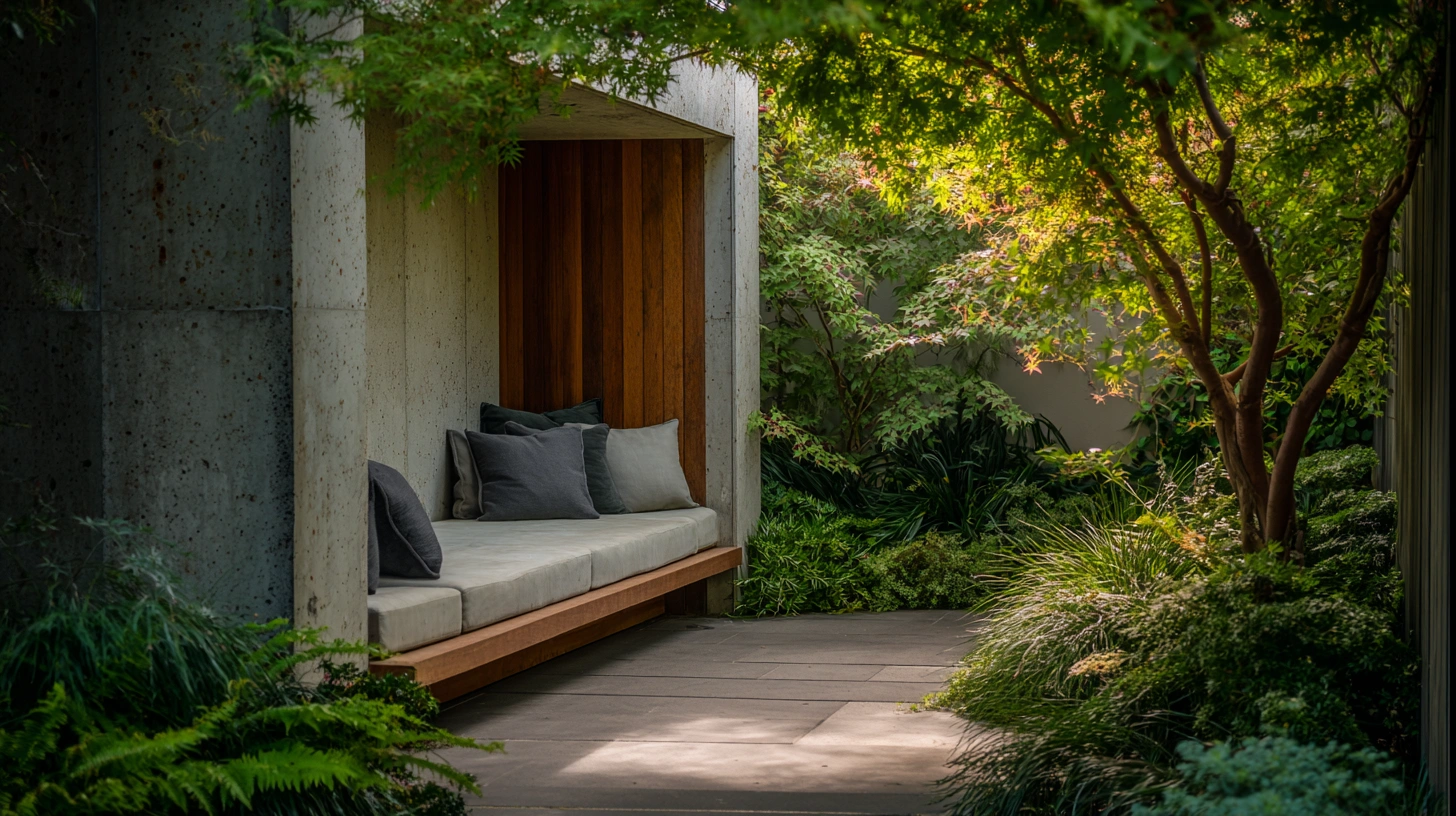
A seating nook turns that corner into the best place in the garden. Not a formal seating area, not a second patio, but something smaller and more specific — a place for one or two people, enclosed enough to feel sheltered, open enough to feel like outside, with the specific comfort of somewhere that was designed for staying rather than visiting.
Each idea below is a specific approach to a garden seating nook. Each includes what you will need, what it will cost, and a practical tip to make the whole thing work as well as the summer evening it was made for.
1. The Hedged Outdoor Room
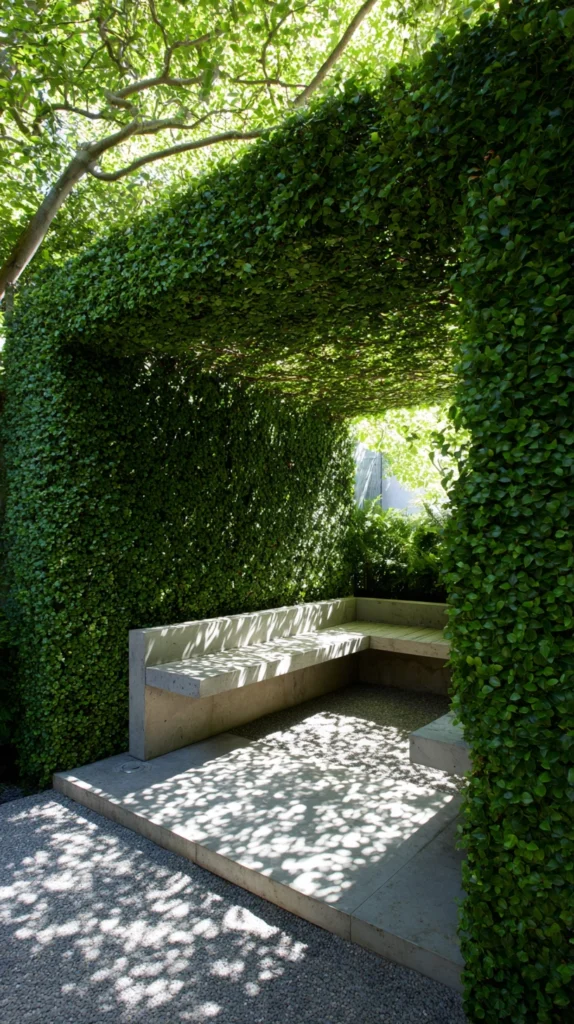
Budget: $80 – $400
A seating nook defined by a planted hedge on two or three sides — yew, hornbeam, beech, or box at the formal end; rosemary, lavender, or tall ornamental grasses at the informal end — creates the most architecturally integrated outdoor room available to a garden. The hedge provides the walls, the sky provides the ceiling, and the space enclosed by the planting has the specific quality of a room that grew rather than a room that was built.
Hornbeam hedge plants cost $5–$15 each. A three-sided nook of 2 by 2 metres requires twelve to fifteen plants — $60–$225 in plant material. Rosemary as an informal hedge costs $4–$8 per plant. The hedge nook requires patience — two to three seasons before the planting achieves useful screening height — but the matured result is more beautiful and more durable than any manufactured alternative at the same cost.
Style tip: Plant the hedge slightly curved at the entrance corners rather than at right angles. A curved opening reads as an invitation; a right-angle corner reads as an enclosure. The curve is a single planting decision that changes the character of the nook from contained to welcoming.
2. The Pergola Chair Nook
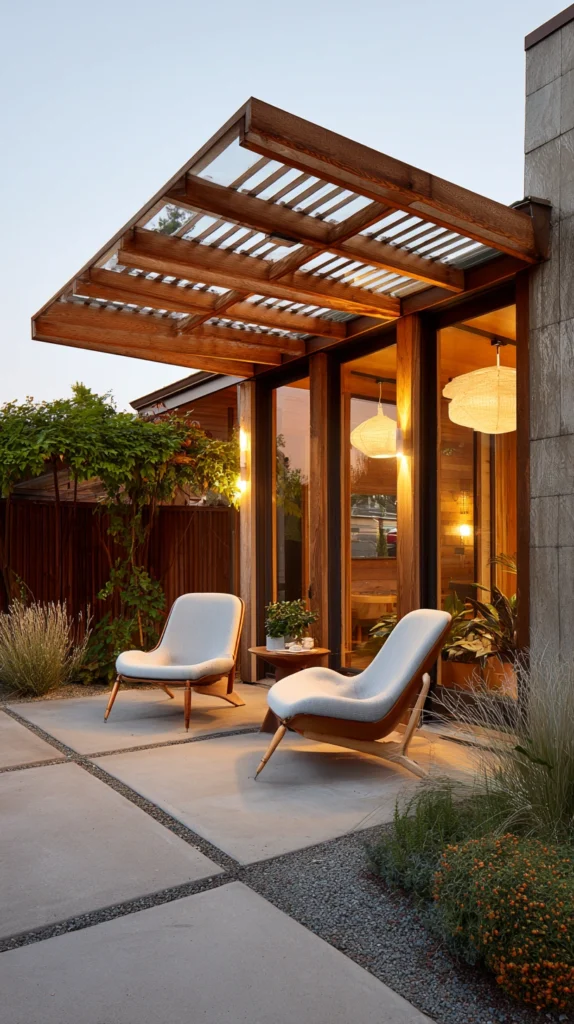
Budget: $200 – $1,000
A small pergola — two posts, two beams, a roof structure of timber or steel — over a pair of chairs and a side table creates an outdoor room with the architectural quality of a ceiling without the closure of a roof. The pergola defines the nook by giving it overhead structure, trains climbing plants to create the living walls on its open sides, and provides the anchor points for string lights and hanging lanterns that make the space its own entity after dark.
A freestanding timber pergola of 2 by 2 metres costs $150–$400. An aluminium version runs $300–$800. Two outdoor armchairs cost $80–$200 each. A climbing rose or jasmine at each post costs $15–$35 each. The pergola nook improves every season as the climbing plants establish — what begins as a structure with chairs becomes, by the third or fourth year, a living garden room of genuine beauty.
Style tip: Plant a fragrant climber on the post that is most upwind of the primary seating direction. Fragrance carried on the prevailing breeze toward the seated person is the olfactory dimension of the nook that makes it genuinely distinct from the rest of the garden — a jasmine on the right post, scenting the evening air across the chairs, is worth more than any decoration.
3. The Sunken Seating Pit
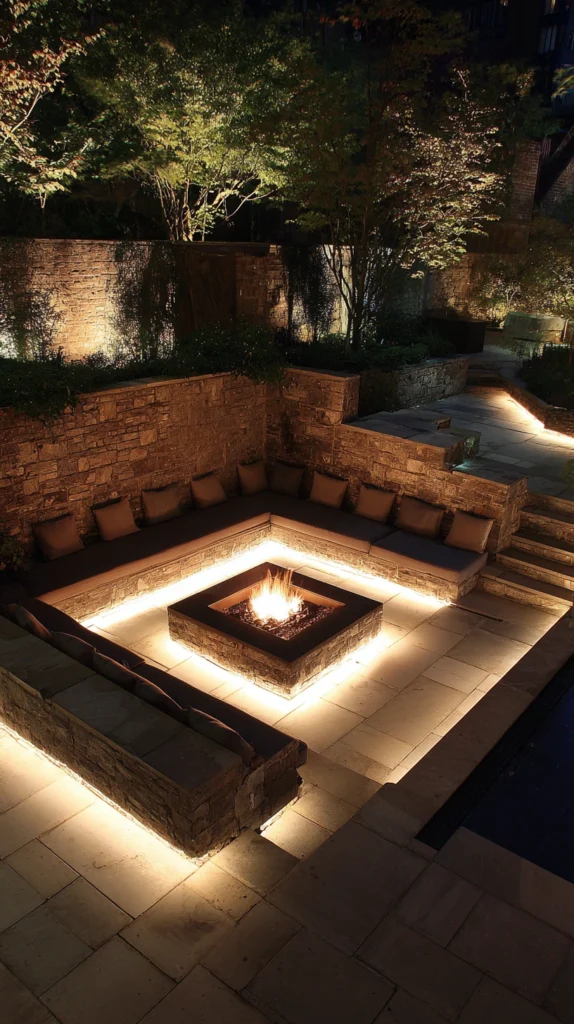
Budget: $200 – $1,500
A seating area sunk 30–60 centimetres below the surrounding garden level — accessed by two or three steps, surrounded by low retaining walls of timber, brick, or stone — creates the most enclosed and most intimate of all garden seating nooks without any overhead structure. The sunk position provides wind shelter that above-ground seating never achieves, creates a natural bowl of warmth on cool evenings, and gives the seated person the specific pleasure of looking outward across the garden from a slightly lower vantage point.
A sunken seating pit of 3 by 3 metres excavated and lined with timber sleepers costs $400–$1,200 in materials and basic labour. A brick-lined version runs $600–$2,000. A gravel or paved floor inside the pit costs $80–$200. Position a small fire pit at the centre of the sunken nook — the combination of the sunken position and a central fire creates a level of warmth and intimacy that no above-ground fire and seating arrangement approaches.
Style tip: Slope the floor of the sunken pit very slightly toward one corner and install a single drainage point there. A sunken area without drainage holds water after rain and the waterlogged floor defeats the purpose of the shelter the sunken position provides. A single drain point costs $20–$40 to install and keeps the pit floor dry within hours of the heaviest rainfall.
4. The Willow Dome Nook
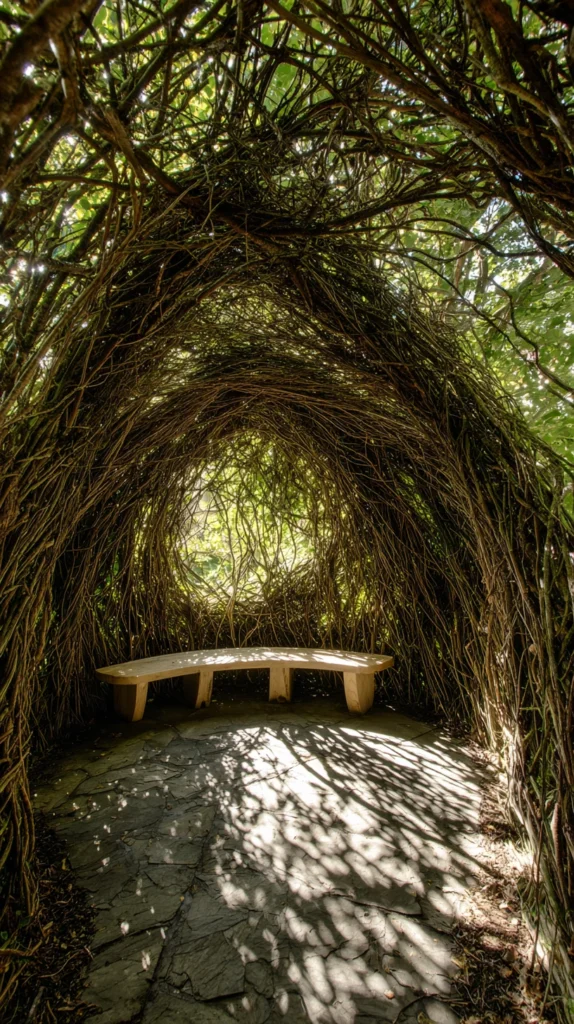
Budget: $30 – $150
A living willow dome — created by pushing lengths of fresh-cut willow rod into the ground in a circle, weaving the tops together overhead, and allowing the willow to take root and grow into a self-sustaining living structure — creates the most organic and most enchanting of all garden seating enclosures. By the second growing season a willow dome produces a genuinely enclosed leafy canopy that is cool in summer and skeletal and sculptural in winter.
Fresh-cut willow rods cost $20–$60 for enough to create a dome of 2 metres in diameter. Push the rods into moist soil in late winter or early spring — the dormant period when the willow is most likely to take root. Weave the tops together as they grow through the first season to create the dome structure. No tools, no fixings, no specialist knowledge — just the specific patience of waiting for a living structure to become itself.
Style tip: Create the dome opening on the side that faces the most interesting garden view rather than the most convenient approach direction. The dome frames whatever is visible through its opening, and a willow dome entrance that frames a flowering border, a water feature, or an open sky view earns its position far more completely than one that frames the path from the house.
5. The Walled Corner Bench Nook
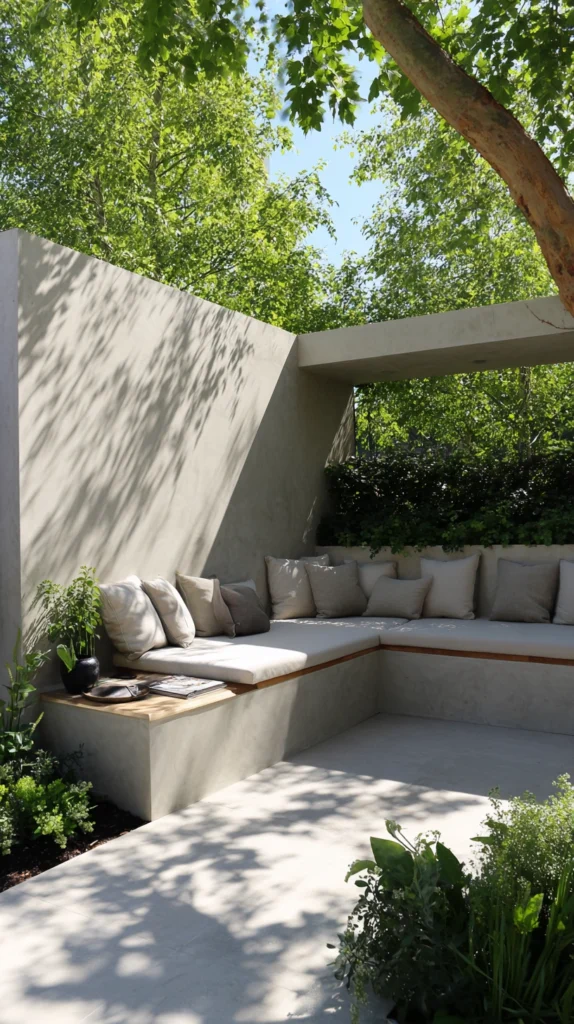
Budget: $100 – $600
A built-in bench fitted into a corner where two walls or fences meet — with a seat of timber, stone, or tile, a back cushion fixed to the wall behind it, and a small table at one end — creates the most efficient use of a corner that any garden makes. The two walls provide the shelter; the bench uses the corner’s geometry rather than fighting it; and the nook communicates a quality of permanence and belonging that freestanding furniture never achieves in the same position.
A timber bench built into a corner costs $80–$300 in materials and basic carpentry. A stone or brick bench costs $200–$600. Outdoor cushions for the seat and back run $25–$60 each. The built-in bench should be at exactly the right seat height — 43–45 centimetres — rather than at whatever height the available materials dictate. The comfort of the bench is the investment in its use.
Style tip: Paint or treat the built-in bench in the same colour as the walls behind it rather than in a contrasting material colour. A bench that matches its surroundings reads as grown from the space; one in a contrasting colour reads as placed within it. The material continuity between the bench and the wall transforms a piece of furniture into an architectural element of the garden.
6. The Hammock Between Two Trees
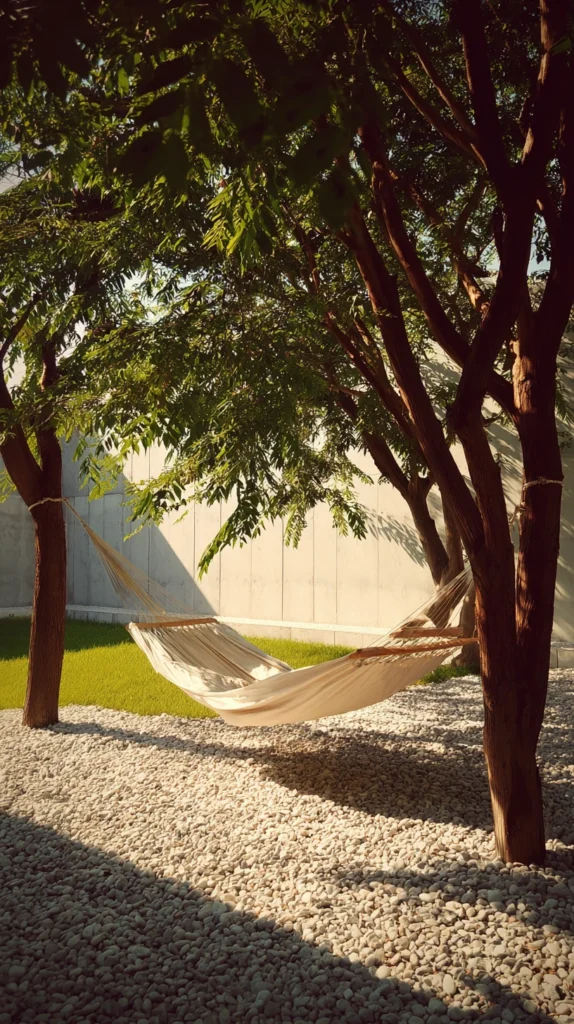
Budget: $30 – $100
A hammock strung between two established trees — at the right height, facing the right direction, with a low table within arm’s reach — is the simplest and most perfectly calibrated summer seating nook available to any garden with two suitable trees. No structure required, no surface required, no enclosure required. The trees provide the shelter, the canopy provides the shade, and the hammock provides the specific physical experience of being held by the garden rather than simply sitting in it.
A cotton hammock costs $25–$70. Tree straps that protect the bark cost $10–$20 per pair. A low side table or a flat stone within reach holds a drink without requiring the occupant to sit up. Hang at a fixing height of 120–150 centimetres for the right curve when occupied — lower than instinct suggests, and the right decision every time.
Style tip: Face the hammock toward the lowest sun angle the garden receives — toward the west for evening use, toward the east for morning — so the occupant looks into the most beautiful light the garden offers rather than away from it. The direction the hammock faces is the single positioning decision that most determines whether the nook is genuinely pleasurable or merely comfortable.
7. The Reading Nook Under a Tree
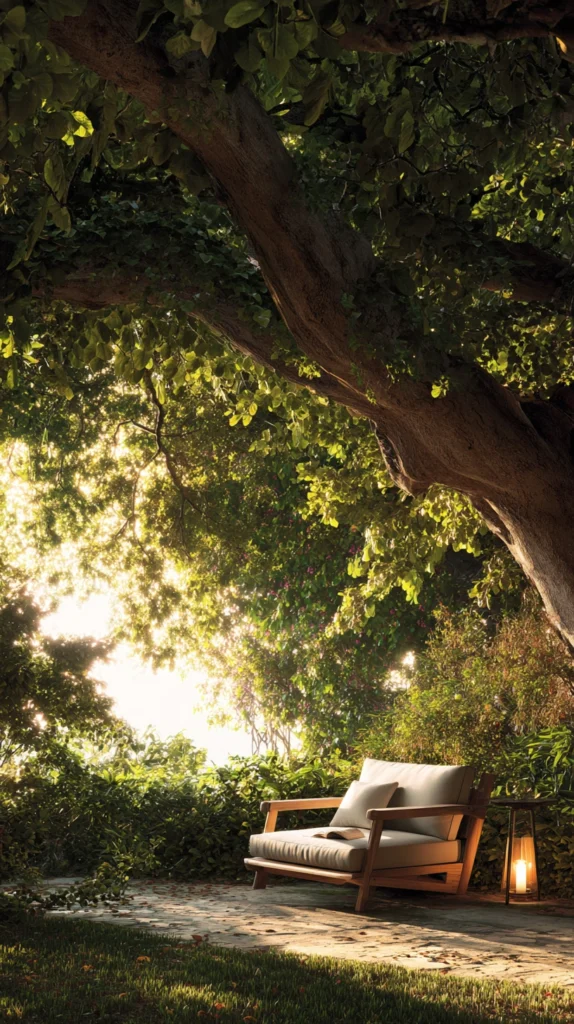
Budget: $40 – $200
A single chair — comfortable, weatherproof, with arms wide enough to rest a book on — positioned under the canopy of the garden’s most established tree, with a small side table and a solar lantern, creates the most specific and most self-contained of all garden seating nooks. The tree provides the ceiling, the roots provide the footrest, and the dappled shade provides the specific quality of outdoor light that makes reading outside the pleasure it is.
An outdoor armchair costs $60–$200. A small side table runs $20–$50. A solar lantern for evening reading costs $15–$35. A weatherproof cushion of at least 8 centimetres in thickness — $20–$40 — makes the difference between a chair that is sat in for twenty minutes and one that is occupied for two hours. The cushion thickness is the comfort specification that determines the nook’s actual use.
Style tip: Position the chair so the tree trunk is behind it rather than beside it. A chair with the trunk directly behind reads as backed by the tree — enclosed and protected. A chair beside the trunk reads as near the tree rather than within it. The backed position creates the sheltered quality that makes a tree nook feel like a room rather than a seat near some shade.
8. The Raised Platform Nook
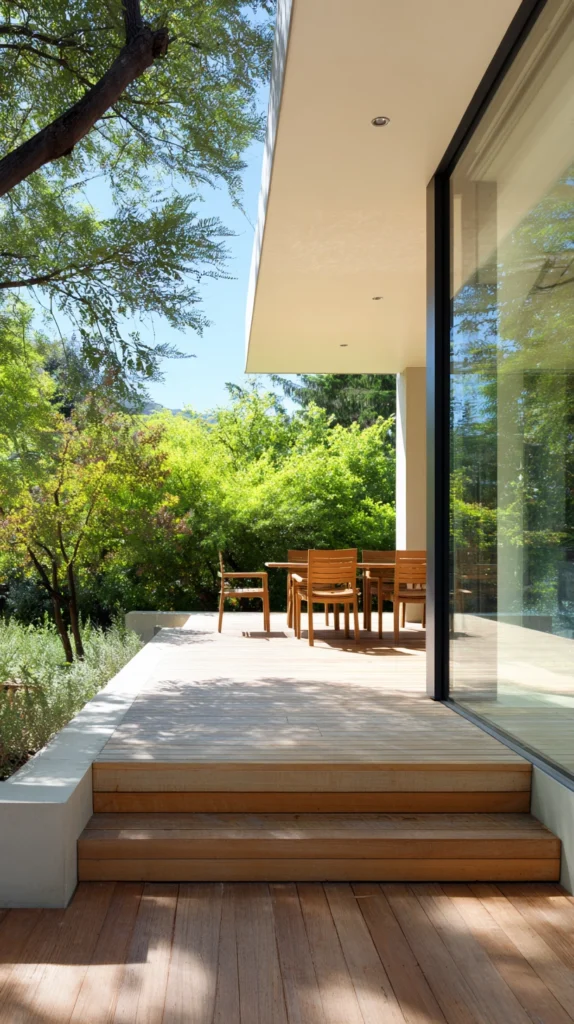
Budget: $150 – $800
A small raised timber platform — 30–45 centimetres above the surrounding garden level — with one or two chairs on it and a planted border or a trellis screen on two or three sides creates a seating nook that is elevated above the garden rather than recessed into it. The elevated position gives the seated person a slightly different view of the garden — the tops of the plants rather than their stems, the sky rather than the fence — and that different view changes the experience of being in the garden.
A raised timber platform of 2 by 2 metres costs $150–$500 in decking boards, joists, and posts. A trellis screen on two sides runs $30–$80 per panel. Planted pots at platform level cost $20–$60 each. Use decking timber rated for outdoor use and treat all cut ends with preservative before assembly — the cut ends of untreated decking absorb moisture and rot significantly faster than the face of the board.
Style tip: Add one plant at the platform level that is significantly taller than the seated eye level — a standard trained plant, a tall ornamental grass, or a climbing plant on a post — on the side of the platform most visible from the house. The tall plant at platform level gives the nook its vertical dimension and makes it visible and inviting from across the garden.
9. The Greenhouse or Glasshouse Corner Nook
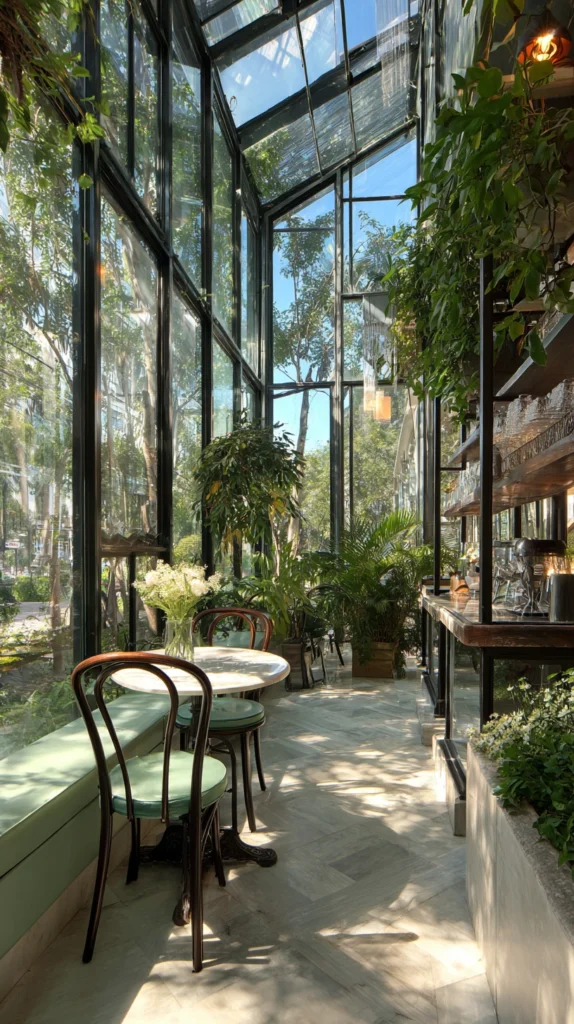
Budget: $200 – $2,000
A corner of a greenhouse or glasshouse dedicated to seating — a small table and two chairs set among the plants, with the glass walls providing warmth and the planting providing the atmosphere — creates the most specifically horticultural of all garden seating nooks. The greenhouse nook is usable in all weather, warm in early spring and late autumn, and has the specific quality of being surrounded by growing things in a way that no outdoor seating arrangement replicates.
A small lean-to greenhouse attached to a house or garden wall costs $300–$1,500. A freestanding Victorian-style greenhouse runs $500–$3,000. A bistro set for the greenhouse interior costs $60–$200. Position the seating at the sunniest end of the greenhouse — usually the south-facing end — and plant the staging around and above it with trailing plants that frame the seated person within the planting.
Style tip: Keep the greenhouse nook seating area free of the propagation trays, plant labels, and gardening equipment that accumulates in active greenhouses. A greenhouse used for both growing and sitting requires a deliberate designation of the seating area as a seating area — cleaned, cushioned, and maintained as a room — rather than allowing the growing side of the greenhouse to gradually colonise the sitting side.
10. The Secret Garden Gate Nook
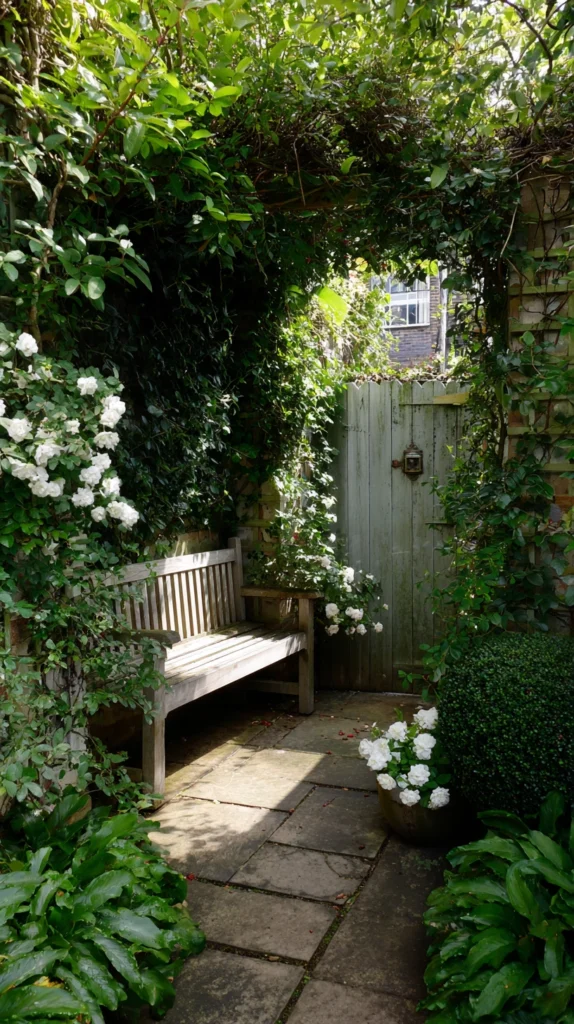
Budget: $100 – $600
A seating nook positioned just inside a gate in a garden wall or fence — a bench or a pair of chairs in the enclosed area immediately within the gate, screened from the garden beyond by the gate itself and by planting on each side — creates the specific quality of a hidden place within the garden. The gate marks the threshold; the planting screens the nook from view from the main garden; and the person sitting inside it has the pleasure of being in the garden without being visible to anyone on the other side.
A timber garden gate costs $40–$120. A bench for the nook costs $80–$200. Planting on each side of the gate to screen the nook — tall grasses, lavender, shrubs — costs $30–$100. The secrecy of the nook is its primary quality and should be maintained by ensuring the planting grows to sufficient height to genuinely obscure the seated person rather than merely suggesting concealment.
Style tip: Plant something fragrant immediately inside the gate so the first sensory experience of entering the nook is olfactory rather than visual. A pot of jasmine, a rosemary bush, or a cluster of sweet peas just inside the gate creates the specific welcome of a space that was prepared for arrival rather than simply available for use.
11. The Potting Shed Side Nook
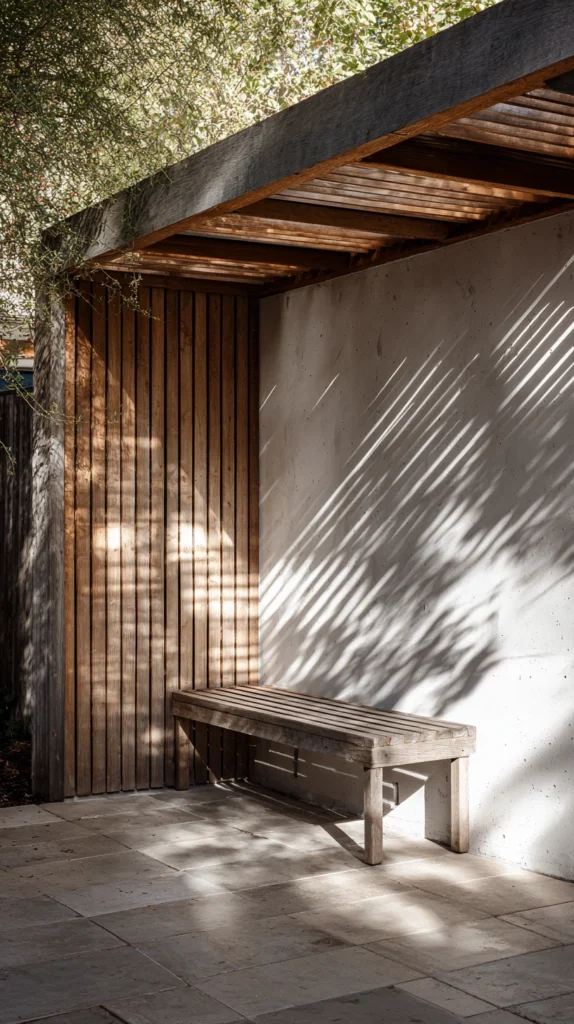
Budget: $60 – $300
A seating nook created on the sheltered side of a potting shed or garden outbuilding — using the shed wall as one side of the enclosure, a simple trellis screen as the second, and a planted border as the third — turns the dead space beside an outbuilding into the garden’s most sheltered and most private seating position. The shed wall provides the wind shelter; the trellis and planting complete the enclosure; and the position on the south or west side of the building captures the sun that the building’s shadow denies to the area immediately in front of it.
A trellis panel costs $15–$35. A bench for the nook runs $60–$200. Planted border on the open side costs $30–$100 in plants. A jasmine or climbing rose on the trellis costs $15–$35. The shed side nook is the seating position that most consistently surprises the people who create it with how much better it is than they expected — the shelter of the building is a quality that needs to be experienced to be fully understood.
Style tip: Paint the shed wall that forms the back of the nook in a deep, warm colour — forest green, terracotta, deep navy — rather than leaving it in the standard grey or brown treatment that most garden sheds receive. The coloured wall transforms the shed side from a utility surface into the backdrop of the garden’s most considered seating position.
12. The Meadow Clearing Nook
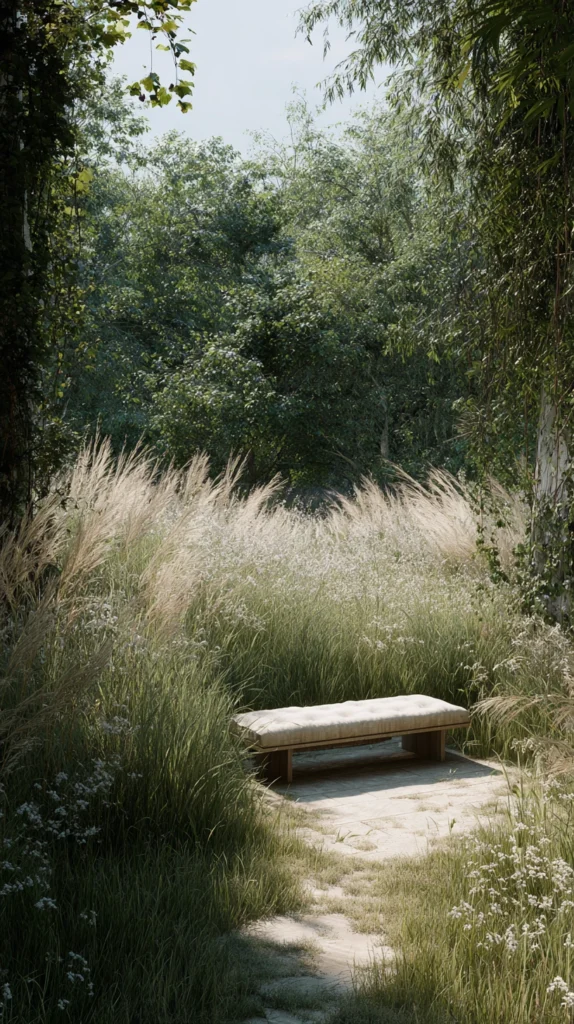
Budget: $20 – $150
A seating area created within a wildflower meadow or a long-grass area — reached by a mown path, enclosed on all sides by the meadow growth, with a flat mown circle of grass as its floor — creates the most immersive and most specifically seasonal of all garden seating nooks. The meadow nook exists only in summer, when the surrounding grass and wildflowers have reached their full height, and that seasonality is part of its specific quality.
A mown circle of 2 metres in diameter within a meadow area requires no materials — only a lawn mower and the decision to stop mowing the surrounding area in April. A folding chair or a blanket on the mown grass completes the nook. A ground-level lantern at the meadow circle edge costs $10–$25. The meadow nook is the lowest-cost seating nook on this list and among the most atmospherically compelling.
Style tip: Position the meadow clearing nook so it cannot be seen from the house. A nook that is visible from the house reads as a garden feature; one that requires walking into the garden to discover reads as a secret. The hidden quality of the meadow nook is the quality that makes it worth seeking out, and a nook worth seeking out is a nook that will be used.
13. The Firepit Seating Circle
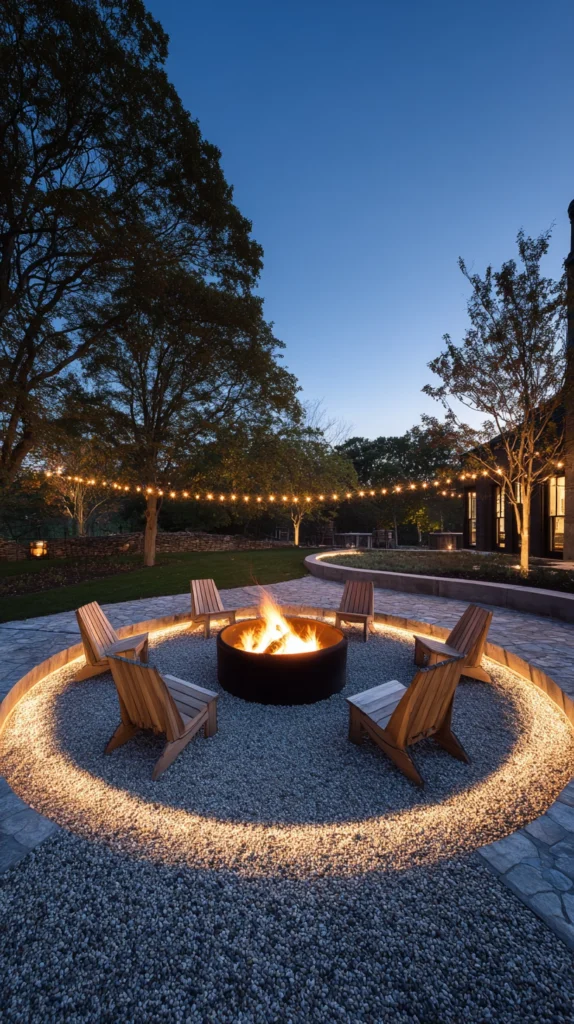
Budget: $80 – $400
A circular seating arrangement around a central fire pit — three or four seats in a loose arc, with the fire pit at the centre and the boundary of the nook defined by planting, low fencing, or simply the edge of the gravel or stone surface on which the seats stand — creates the most social and most genuinely warm of all garden seating nooks. The fire pit is the room’s focal point, its heat source, and its reason for gathering, and the seating circle around it is the specific configuration that human beings have used for warmth and company since before gardens existed.
A portable steel fire pit costs $40–$100. Log seat rounds cost $3–$8 each from a timber yard. A gravel surface for the fire nook costs $30–$80. Three to four metres of clearance between the fire and any overhanging branch or structure is the minimum safety distance that should determine the nook’s position in the garden before any other consideration.
Style tip: Position the fire pit slightly off-centre within the seating circle rather than at its exact geometric centre. A fire at the exact centre creates a perfect circle of seating that reads as formal; one positioned slightly toward the back of the nook creates an asymmetric arrangement that reads as gathered and arrived-at — the configuration in which people most naturally and most comfortably sit around a fire.
14. The Trellis Bower Nook
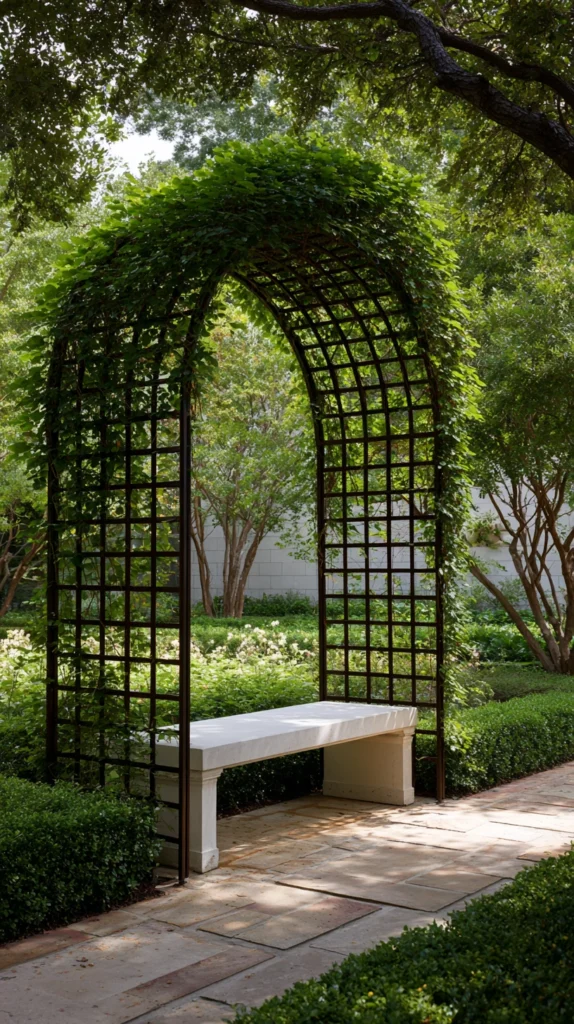
Budget: $60 – $350
A bower — a simple arched structure of two trellis panels meeting overhead, or a purpose-built arched frame of timber or steel — with seating inside it and climbing plants trained over the structure creates a covered seating nook that is the garden’s most romantic and most garden-specific enclosure. The bower is not a pergola — it is smaller, more enclosed, more intimate — and the flowering climber that covers it is not decoration but the structural element that makes the bower what it is.
Two trellis panels of 180 by 90 centimetres cost $30–$70. An arched bower frame runs $60–$200. A bench inside the bower costs $60–$200. A repeat-flowering climbing rose costs $15–$35. Plant the rose in the sunniest available position at the base of the bower — the flowering density of the rose determines the bower’s beauty, and the rose flowers most densely in maximum sunlight.
Style tip: Train the bower climbing plant over the roof of the structure before letting it grow down the sides. A bower with the climber covering the overhead section first provides the shade and the enclosed feeling that defines the bower experience; one where the climber grows along the sides without covering the overhead section provides green walls without the canopy that makes sitting inside a bower feel like being inside a garden room.
The best garden seating nook is not the largest or the most expensively constructed. It is the one that makes someone look at it from across the garden and feel the specific desire to be in it — to carry a cup of something warm toward it in the morning, or a glass of something cold toward it in the evening, and to stay longer than they planned because the nook made the garden genuinely difficult to leave.
Find the corner, the tree, the sheltered side of the shed that the garden has been quietly offering all along. Give it a chair, give it a light, give it something fragrant growing beside it. The nook will do the rest.