14 Summer Pastel Decor Ideas That Feel Soft and Airy
There is a specific quality that pastels achieve in summer light that they do not manage in any other season. In winter, the same colours read as washed out — too pale for the grey light, too tentative for the dark months.
In autumn, they compete with the richness of the season and lose. But in summer, with the long light coming in at a warm angle and the windows open to a garden that is its own version of green and blue and gold, a room in soft pastels reads exactly as it is intended to — as something light, unhurried, and genuinely at ease with the season it belongs to.
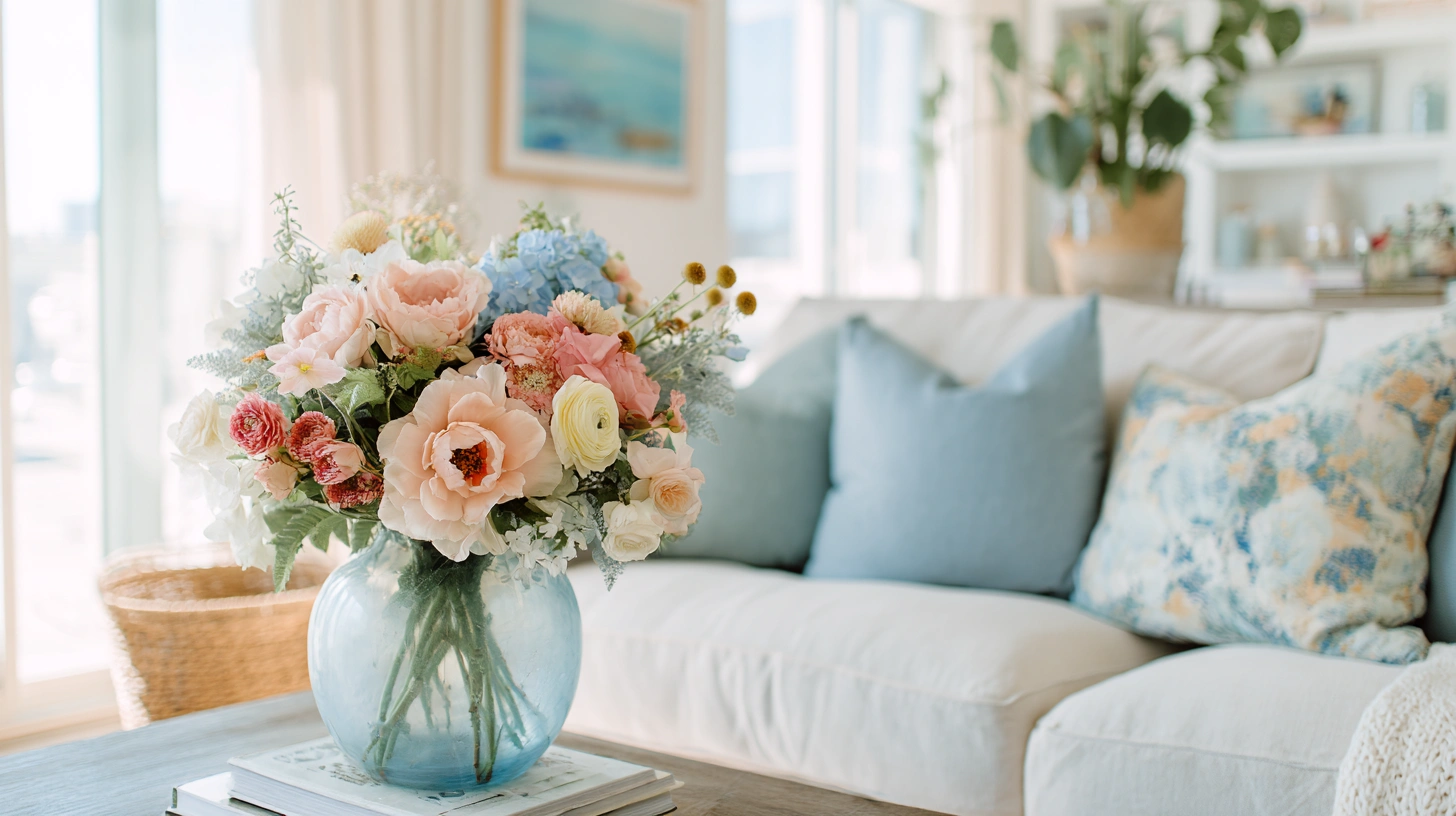
The summer pastel interior at its best is not pastel in the Easter-basket sense. It is the particular palette of bleached and faded tones — the blue that looks like it was once deeper and has been in the sun, the green that references sage and eucalyptus and the underside of a leaf, the pink that is so close to white that it reads as warmth rather than colour. These are the pastels that belong to summer. They are the ones that make a room feel soft and airy rather than sweet or infantile.
Each idea below is a specific approach to one element of the summer pastel interior. Each includes what you will need, what it will cost, and a practical tip to make it feel as considered as it deserves.
1. The Dusty Blue Linen Sofa Throw
Budget: $25 – $90
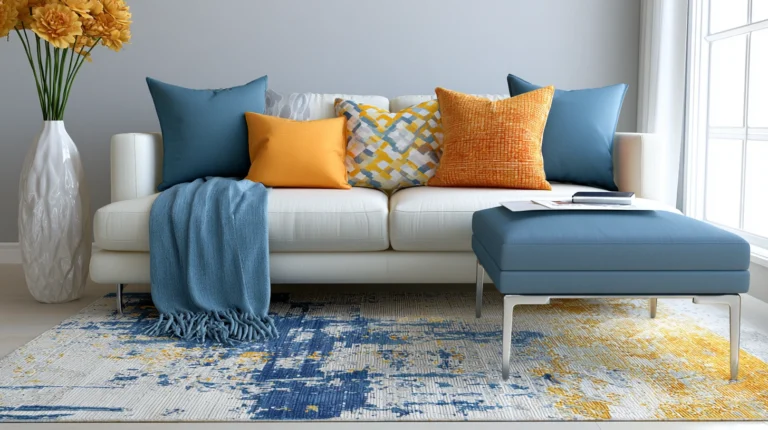
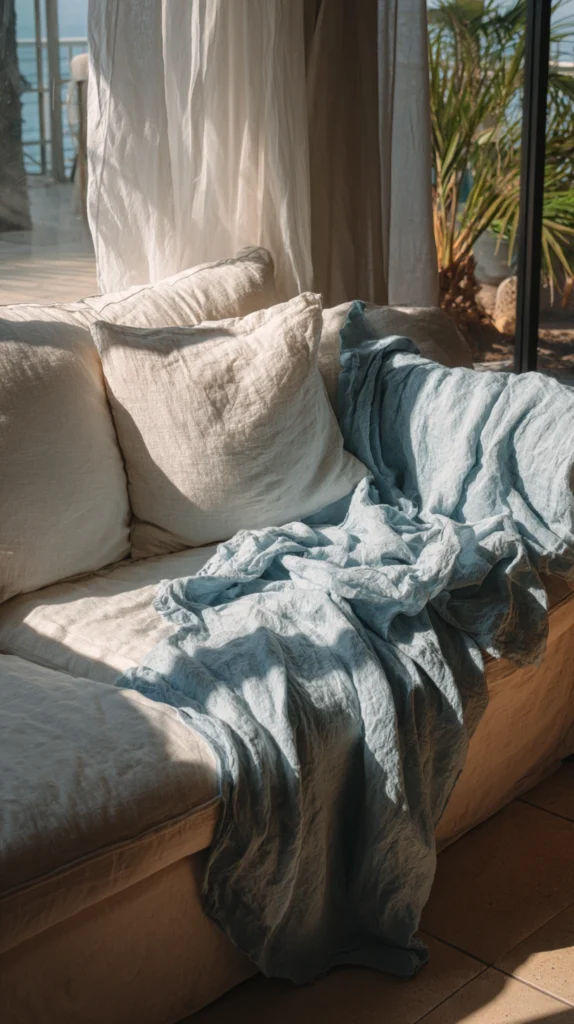
A dusty blue linen throw — not the bright sky blue of a children’s room but the faded, greyish blue that is closer to the colour of old denim or sea glass — draped over one arm of the sofa is the single most immediate and most cost-effective pastel addition available to a living room for summer. It reads as colour without asserting itself as a colour choice, and it shifts the whole room toward the soft blue register of summer sky and still water.
Washed linen throws in dusty blue cost $25–$60. A pre-washed version arrives already in its best state — the initial stiffness removed, the colour slightly faded to its truest summer tone, the drape achieved without needing several home washes first. Choose a shade that sits toward the grey end of the blue spectrum rather than the bright end — the more grey is in the blue, the more sophisticated and the more genuinely summery the result.
Style tip: Pair the dusty blue throw with cushions in a warm neutral — cream, warm white, or very pale sand — rather than with additional blue or with a contrasting colour. The contrast between the single pastel tone and a neutral field gives the blue its best reading; additional colours compete with it and reduce its soft impact. One pastel, one neutral: the combination that lets the pastel do its work.
2. The Pale Sage Kitchen Refresh
Budget: $30 – $150
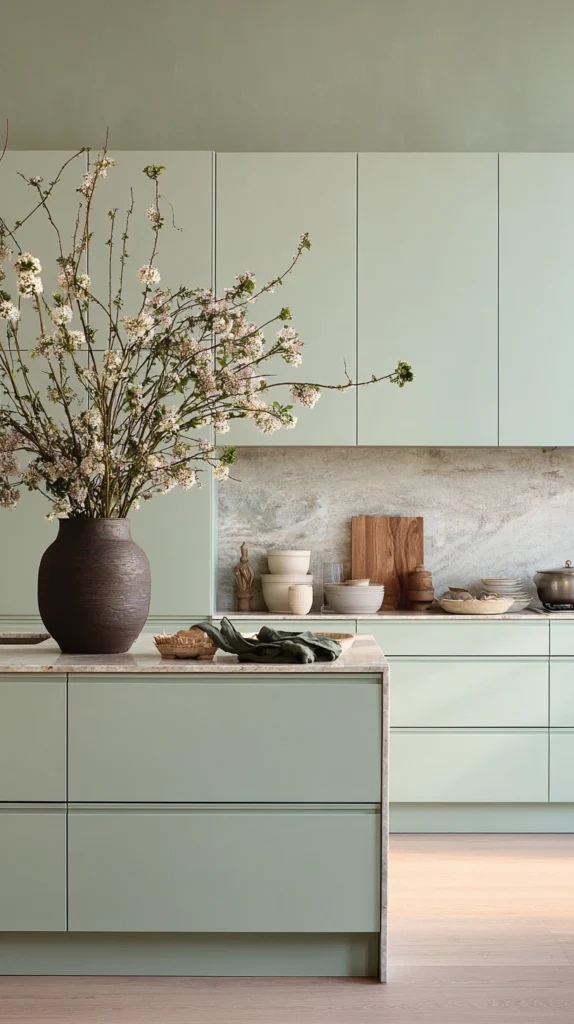
Painting one element of the kitchen — a run of cabinets, a kitchen island, a single set of shelving — in pale sage green transforms the most functional room in the house into the most summery one without requiring any structural change. Sage at its palest — the grey-green that is closer to a dried herb than to a living one — reads as botanical and as summery simultaneously, and in a kitchen setting it relates to the herbs and plants that belong in that room in a way that no other pastel colour does.
A 750ml tin of kitchen paint in a pale sage tone costs $15–$35 and covers a standard set of six cabinet door fronts with two coats. A 2.5 litre tin runs $30–$60 and covers a full kitchen’s worth of doors. Proper preparation — sanding, priming, and cleaning before painting — is the step that determines whether the sage cabinets look professionally applied or like a DIY project that happened to be in the right colour. The paint quality is the secondary factor; the preparation quality is the primary one.
Style tip: Choose a sage that reads green in warm light and grey in cool light rather than one that stays definitively green in all conditions. The colour that shifts between green and grey with the light is the most sophisticated version of sage and the one that works in a kitchen regardless of whether the room receives morning sun, afternoon sun, or north-facing diffuse light throughout the day.
3. The Lavender Bedroom Wall
Budget: $40 – $180
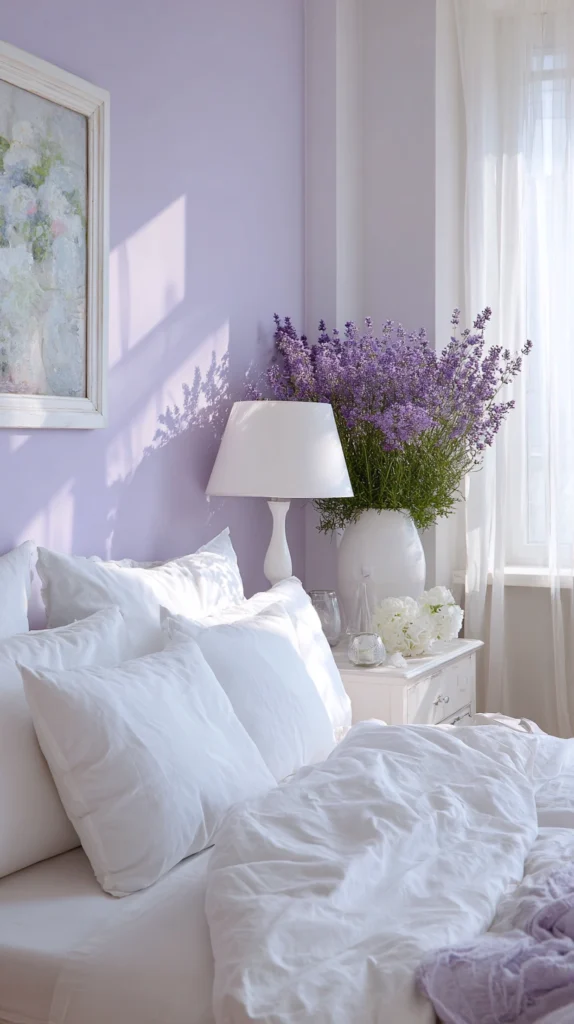
A bedroom wall in the palest lavender — so pale that it reads as white in low light and as the faintest possible purple in direct sun — creates the most restful and most summer-specific of all the pastel bedroom options. Lavender at this dilution is not a purple room; it is a room with a warmth of tone that white alone cannot achieve and a suggestion of colour that is felt rather than seen.
A full bedroom in the palest lavender requires two tins of paint — $40–$100 in a quality emulsion. Apply to all four walls rather than as a feature wall — a room where all four walls share the same pale lavender tone has the quality of being inside the colour rather than looking at it, which is the immersive quality that makes pale pastels effective as bedroom wall treatments. Test on a large swatch of at least 60 by 60 centimetres and observe in morning light, afternoon light, and artificial evening light before committing — pale lavender shifts more noticeably with light quality than most colours.
Style tip: Pair the pale lavender walls with bedding in white or warm cream rather than in any complementary purple or matching lavender. Bedding in the same colour family as the walls produces a monochrome that can feel overwhelming in a small bedroom; the contrast of pure white bedding against a lavender wall gives the lavender its best reading and makes the room feel fresher and more summery than a matched scheme.
4. The Blush and Cream Dining Arrangement
Budget: $30 – $120
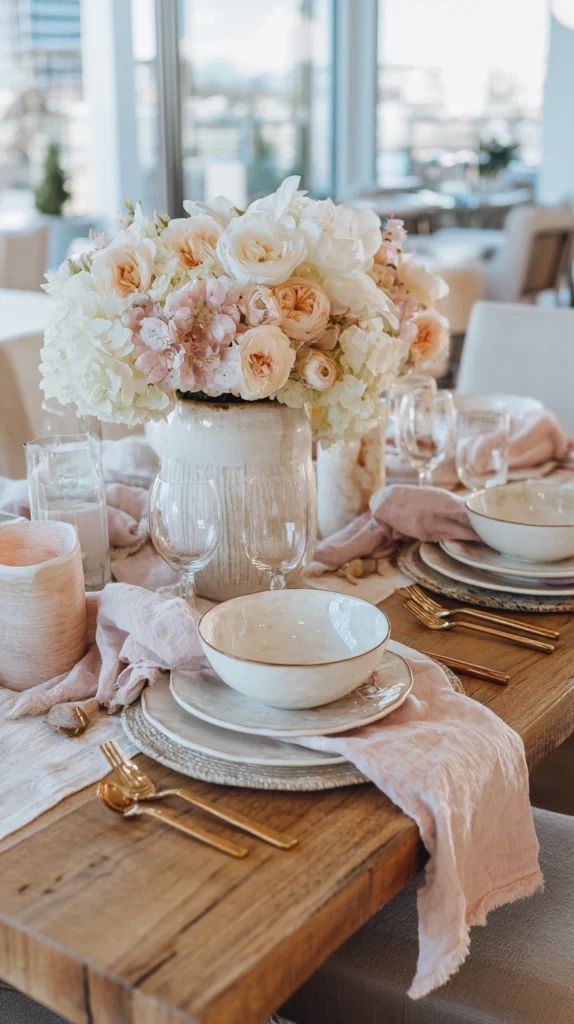
A dining table set in blush and cream — blush linen napkins, cream ceramic plates, a small arrangement of pale flowers in the same blush tone at the table centre — creates the most effortlessly summery dining arrangement available at minimal cost. Blush at the dining table reads as warm, celebratory, and season-specific in a way that the standard white-and-neutral setting does not.
Linen napkins in a blush tone cost $8–$20 each. A set of six runs $48–$120. Cream ceramic plates cost $8–$25 each — a set of six runs $48–$150. The flowers at the table centre — garden roses, sweet peas, peonies, cosmos — cost $8–$20 per arrangement or nothing if the garden provides them. The blush and cream combination works because blush is warm enough to read as a deliberate colour choice at a set table and pale enough to maintain the airy quality of a summer dining arrangement.
Style tip: Add one stem of something green — a leaf, a sprig of herb, a few blades of grass — to the blush flower arrangement at the table centre. The green stem gives the arrangement a botanical grounded quality that an all-pastel arrangement can lack and relates the table setting to the summer garden in the way that a monochrome flower arrangement does not.
5. The Soft Peach Cushion Grouping
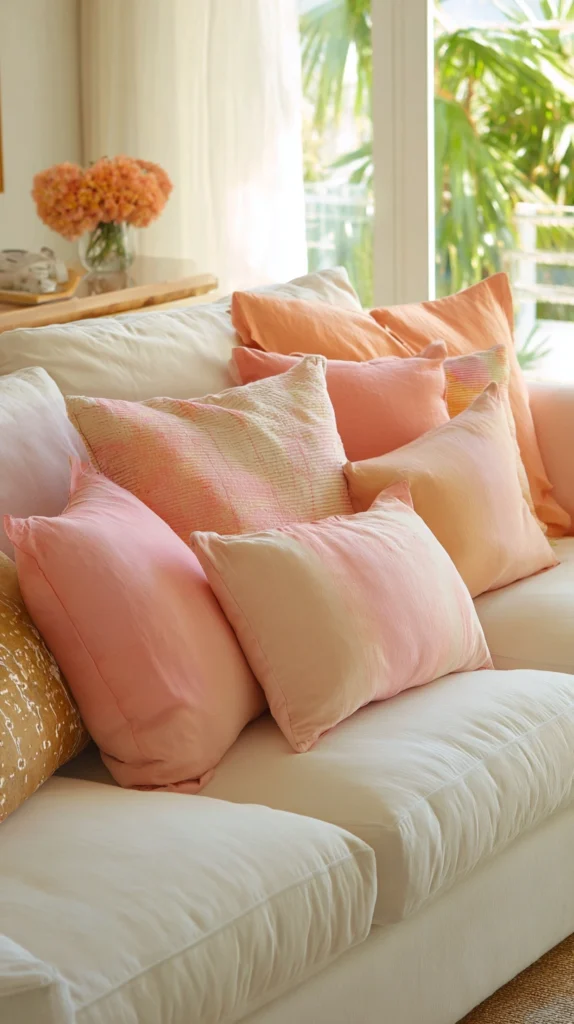
Budget: $40 – $180
A group of cushions in varying tones of soft peach — from almost white through warm blush to the palest terracotta — arranged on the sofa or the bed creates a tonal pastel display of considerable sophistication that reads as a considered palette rather than a single colour choice. The peach range, from its palest to its slightly deeper tones, has a warmth that blue and lavender pastels lack and suits the evening light of summer specifically.
Cushion covers in peach tones cost $10–$30 each. A grouping of five on a sofa — two in the palest tone, two in a mid peach, one in the deepest shade — costs $50–$150. Use covers of different textures at the same tonal range — a smooth cotton, a slightly textured weave, a linen — to give the grouping visual variety within the colour discipline. A cushion grouping that varies in texture at the same tone reads as a collected palette; one that varies in both colour and texture reads as assorted.
Style tip: Position the deepest peach tone at the back of the cushion arrangement and the palest at the front, so the tonal graduation moves from deeper behind to lighter in front. This replicates the natural light gradient — lighter at the front where the eye lands first, deeper at the back where the cushion stack provides the visual anchor — and gives the grouping a three-dimensional quality that a flat arrangement of equal tones does not produce.
6. The Pale Yellow Botanical Corner
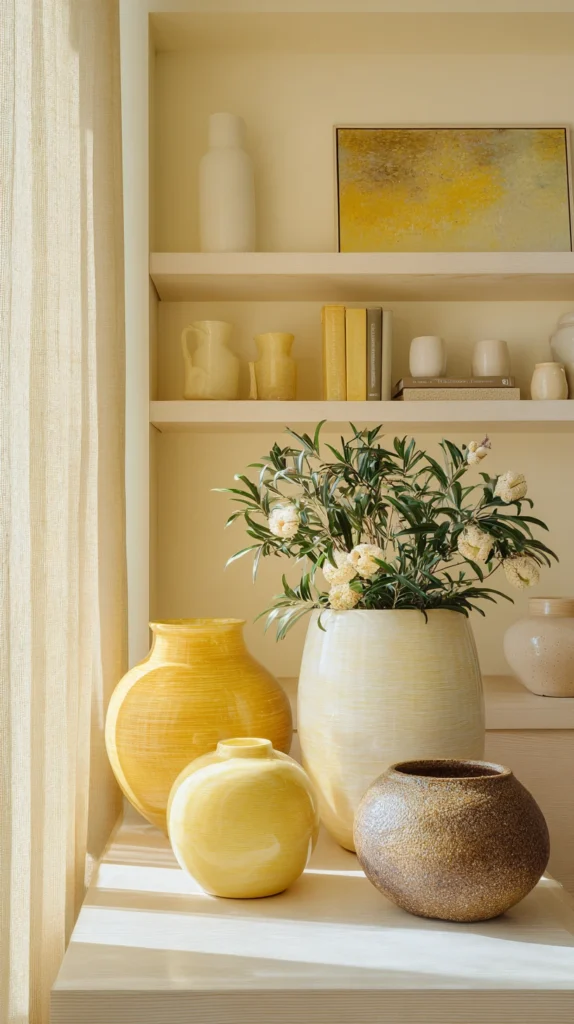
Budget: $30 – $120
A corner of the living room or bedroom dedicated to a pale yellow botanical display — a ceramic pot in warm cream or butter yellow containing a significant indoor plant, with a small yellow-toned arrangement of dried flowers beside it — creates the most light-suggesting and most genuinely summery corner arrangement available. Pale yellow reads as sunlight, as warmth, as the specific quality of summer afternoon light at four o’clock, and a corner built around this tone communicates the season without describing it.
A large ceramic pot in warm cream or pale butter costs $20–$60. A significant indoor plant — monstera, rubber plant, or peace lily — costs $25–$80. A small arrangement of dried flowers in yellow tones — dried strawflowers, dried yarrow, dried mimosa — costs $5–$20. The botanical corner works as a complete composition rather than as individual objects — the pot and the plant and the dried arrangement are arranged in relation to each other rather than placed independently.
Style tip: Choose a plant with large, dark leaves for the pale yellow ceramic pot rather than a small or pale-leafed variety. The contrast between the deep green of a large-leafed plant and the warm pale yellow of the pot below it gives the corner its visual dynamism — the dark botanical form against the light vessel creates the depth that makes the corner read as a composed element of the room rather than a plant in a pot.
7. The Watercolour Gallery Wall
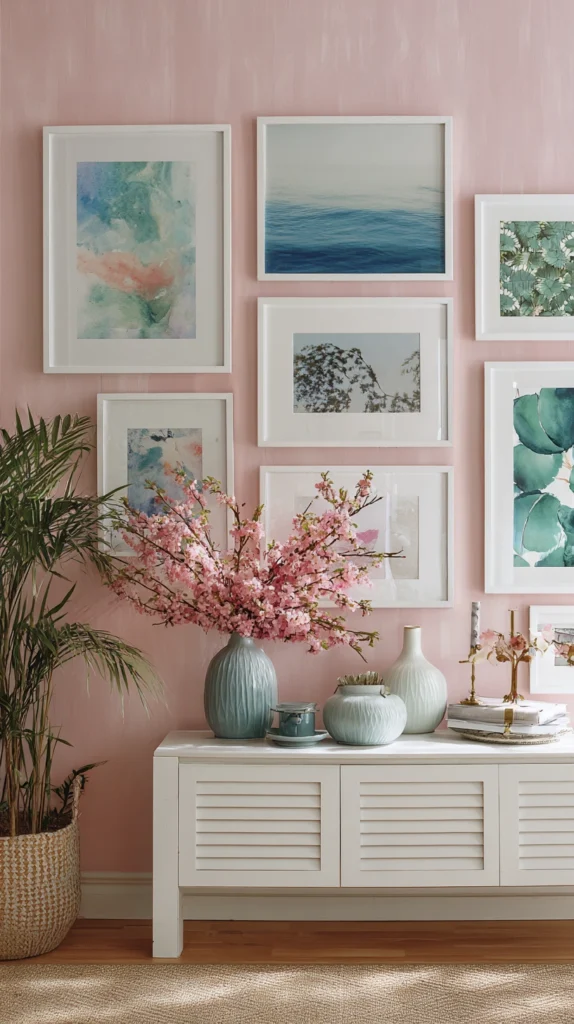
Budget: $30 – $200
A gallery of watercolour prints — botanical illustrations, abstract washes of colour, simple landscape studies in the summer pastel palette — arranged on one wall creates the most appropriate art display for a summer pastel interior. Watercolour as a medium is inherently soft, translucent, and light-responsive in a way that oil or acrylic prints are not, and a gallery of watercolour works gives the wall the delicate, luminous quality that the summer pastel room is reaching for throughout.
Watercolour prints from independent artists cost $15–$60 each. A gallery of six in simple white or natural timber frames runs $90–$300 in prints plus $30–$100 in frames. Choose prints with a limited palette — works that use only two or three of the room’s pastel tones rather than a full colour range — so the gallery reads as part of the room’s palette rather than as a separate colour statement on the wall.
Style tip: Mount all prints in the gallery at the same mat depth — the same border of white card between the artwork and the frame — rather than allowing different mats at different depths. Consistent matting across a gallery of mixed-size works creates the visual unity that makes the gallery read as a collection rather than as individually framed pieces placed in proximity. The mat consistency is the detail that most determines whether a gallery wall looks curated or accumulated.
8. The Mint Green Bathroom Refresh
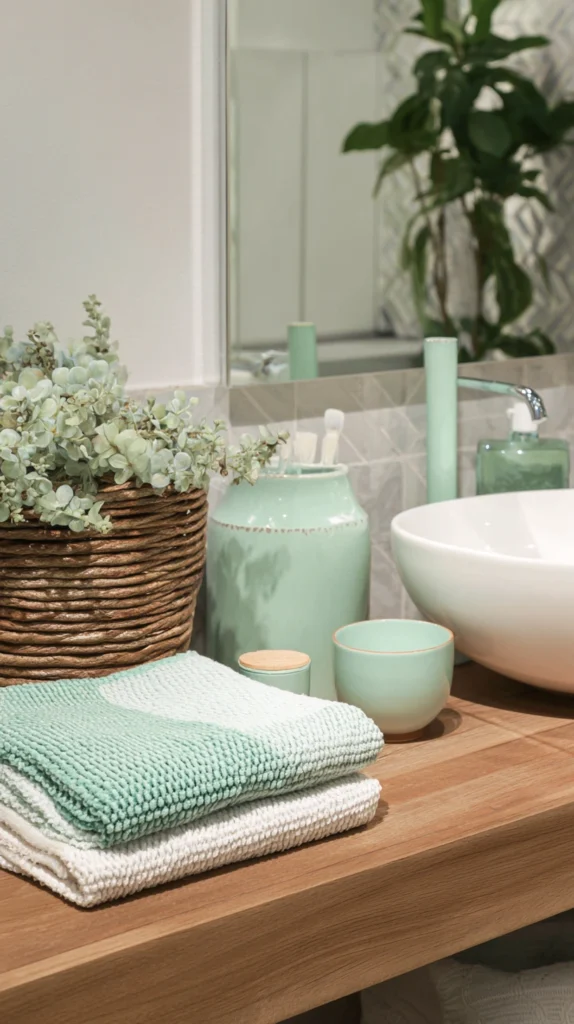
Budget: $20 – $150
A bathroom refreshed with mint green accessories — towels, a soap dispenser, a small ceramic tray, a toothbrush holder — in the cool, slightly grey-green mint that belongs to vintage tiling and Art Deco interiors reads as the most specifically and most pleasurably summery bathroom update available. Mint in a bathroom references clean water, fresh air, the smell of herbs, and the particular pleasantness of a cool room on a warm day.
Mint green towels in a quality cotton cost $15–$40 each. A ceramic soap dispenser in a complementary mint tone runs $12–$30. A ceramic tray in white or cream for the accessories costs $10–$25. Limiting the mint additions to accessories rather than extending to wall or floor tiles keeps the investment modest and the commitment reversible — the accessories can be swapped at the end of summer for a different seasonal palette without any permanent change to the room.
Style tip: Choose mint accessories in white-based rather than yellow-based versions of the colour. A mint that leans toward white has a coolness and a crispness that suits a bathroom specifically — it reads as clean and fresh. A mint that leans toward yellow becomes warmer and less specifically minty, reading as a soft green rather than as mint, and losing the particular fresh quality that makes mint the right pastel for a bathroom.
9. The Soft Lilac Bedroom Textile Layer
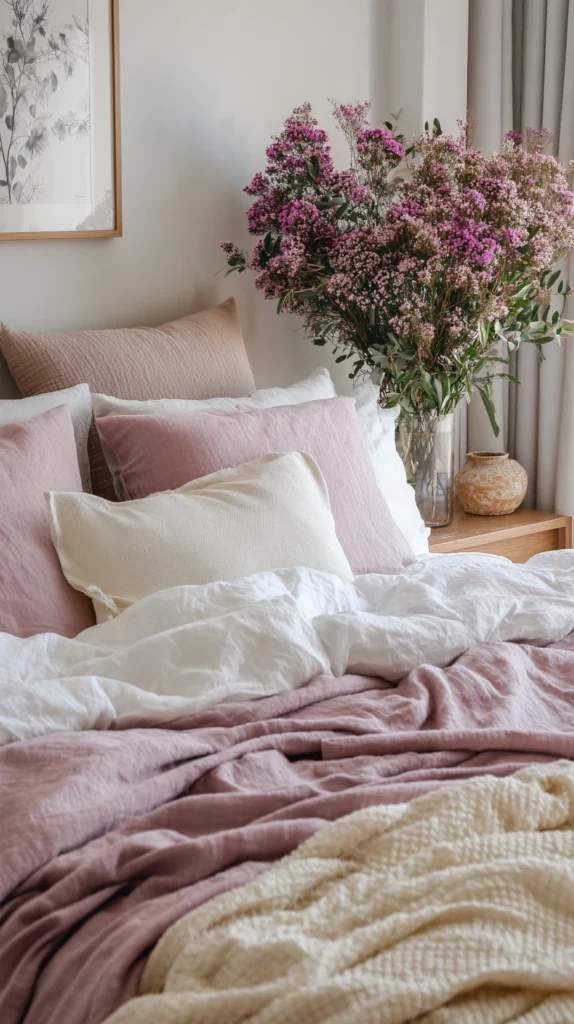
Budget: $50 – $200
A textile layer introduced into the bedroom in soft lilac — a throw at the foot of the bed, two cushion covers, or a pair of pillow cases — adds the coolest and most atmospheric of the summer pastels to the sleeping room at the most accessible level of commitment and cost. Lilac belongs to summer evenings specifically — the colour of twilight, of wisteria in late light, of the sky at the moment just after sunset — and it brings that quality into the bedroom at the textile scale.
Lilac cotton or linen cushion covers cost $10–$25 each. A lilac throw runs $25–$70. Lilac pillow cases in cotton percale cost $15–$35 per pair. Choose a lilac that is blue-leaning rather than pink-leaning — the blue lilac reads as evening light and as cool summer air; the pink lilac reads as closer to blush, which is a different and warmer mood. The blue-lilac is the one that brings the twilight quality into the bedroom.
Style tip: Layer the lilac textile over white or near-white base bedding rather than over a patterned or coloured duvet. The lilac throw or cushion needs a clear, pale ground to read with its full softness — a throw on patterned bedding loses its own pattern to the visual competition, and the soft lilac tone needs the relief of a clear pale background to communicate as a considered addition rather than an additional layer in a busy arrangement.
10. The Pale Blue Kitchen Ceramics Collection
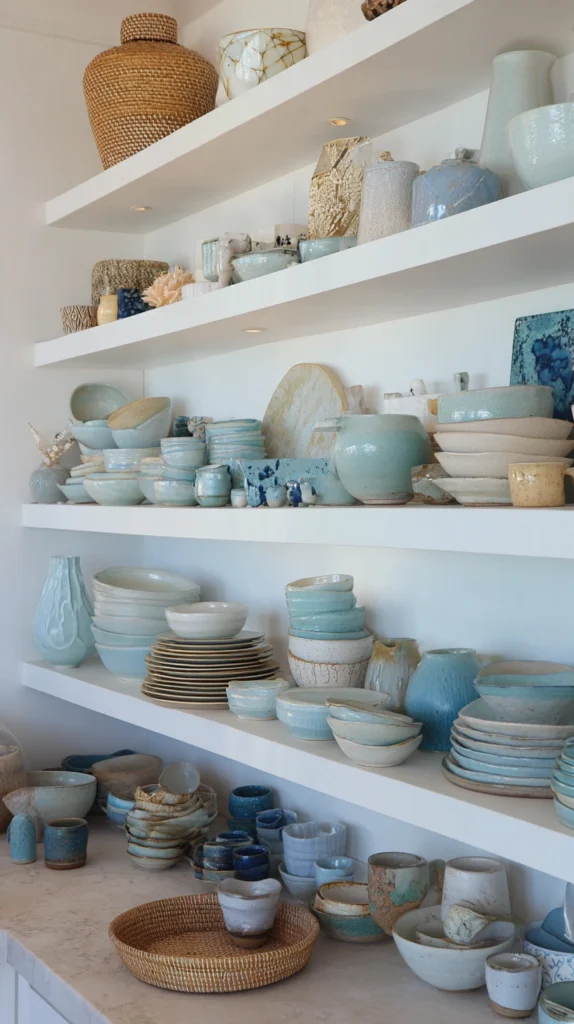
Budget: $40 – $200
A collection of ceramics in pale blue — serving bowls, storage jars, a fruit bowl, a vase for the kitchen counter — arranged on open shelving or on the counter gives the kitchen its summer pastel identity through the most functional and most visible of all kitchen objects. Pale blue ceramics on kitchen shelving is one of the most enduring and most universally pleasing aesthetic combinations in domestic interior design, and its appeal is specifically strongest in summer when the blue references sky and water and the light is best.
Individual pale blue ceramic pieces cost $8–$40 each. A collection of five to seven pieces for open shelving runs $40–$200. Choose pieces in the same pale blue family — all in the same muted, grey-inflected blue — rather than mixing bright blue and pale blue and patterned blue on the same shelf. The tonal consistency of the collection is what gives the shelving display its calm, considered quality.
Style tip: Mix the sizes of the ceramic pieces in the collection rather than using all vessels of similar scale. A very large bowl alongside a medium storage jar alongside a small cream jug alongside a tiny pinch pot reads as a collection assembled over time; five pieces of similar size reads as a purchased set. The scale variation is the detail that gives a ceramic collection its gathered, personal quality.
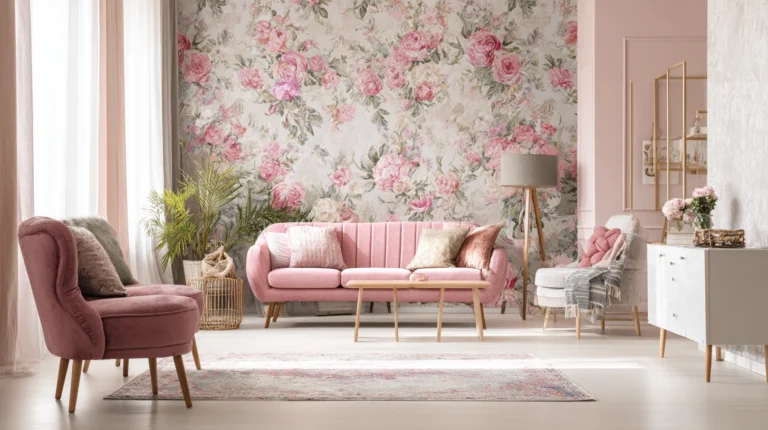
11. The Dusty Rose Accent Chair
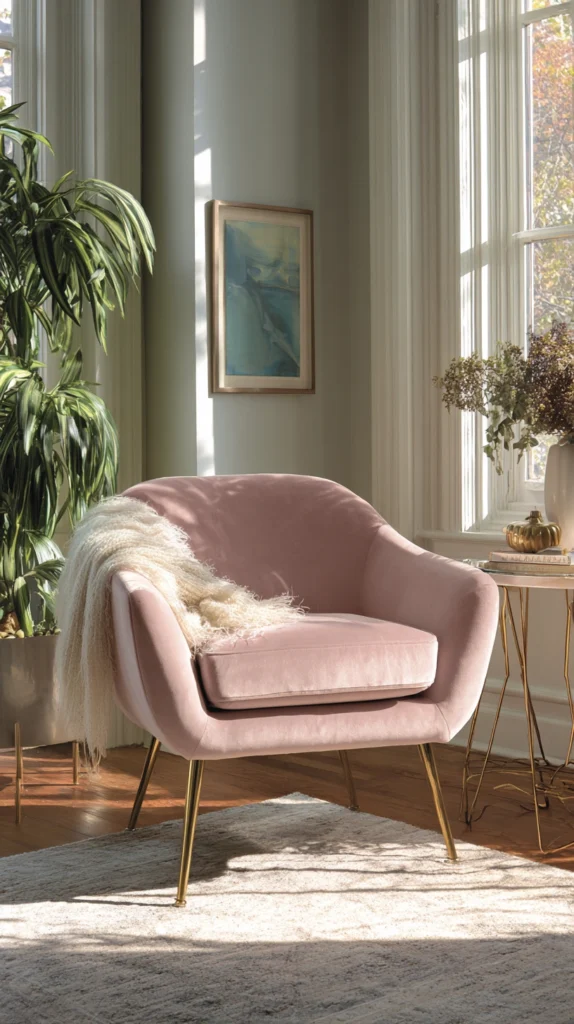
Budget: $150 – $600
A single accent chair in dusty rose — upholstered in a cotton velvet, a bouclé, or a linen, in the warm muted pink that reads as antique rather than sweet — gives the living room or the bedroom its focal pastel element at a scale and a permanence that textiles and accessories cannot match. The accent chair is the room’s pastel commitment: the piece that declares the palette rather than suggesting it.
A velvet accent chair in a dusty rose tone costs $200–$500. A bouclé version runs $250–$600. A linen-upholstered version costs $150–$400. Position the chair in the best light the room offers — near the window, where the dusty rose reads at its most complex and its most beautiful in natural light. The same chair in a dark corner reads as brown rather than rose, and the colour of dusty rose requires good light to perform.
Style tip: Keep the surrounding textiles — the cushions on the adjacent sofa, the rug beneath the chair — in warm neutrals rather than in complementary pinks or contrasting colours. A dusty rose chair in a room of warm cream and natural linen reads as the room’s single deliberate colour gesture; the same chair in a room with pink cushions and blush rugs reads as a pink room with more commitment than the pastel aesthetic sustains.
12. The Pale Green Dining Room Wall
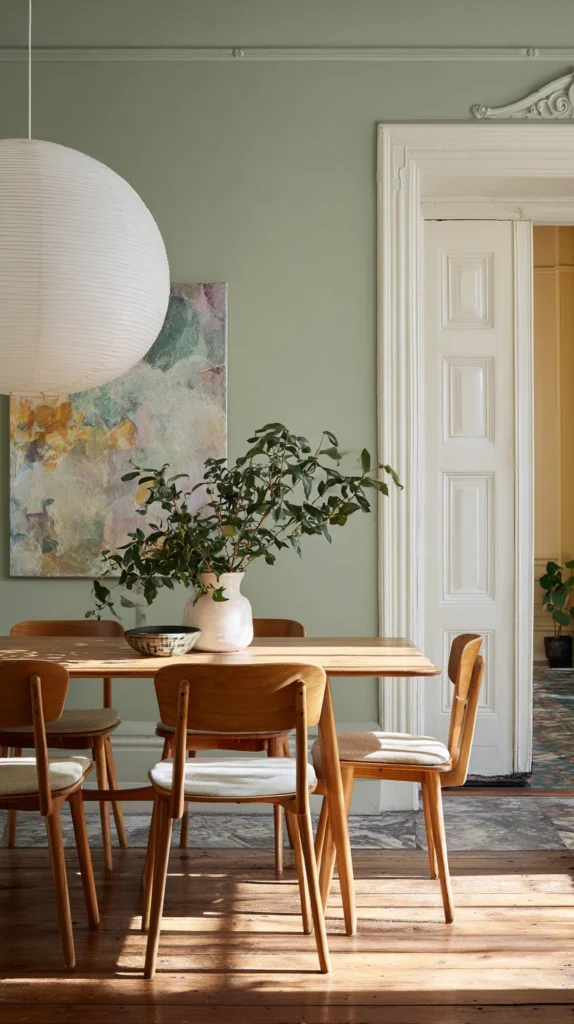
Budget: $60 – $200
A dining room painted in the palest possible green — the green that is so pale it reads as a warm white with a botanical memory, closer to the inside of a cucumber than to any defined colour — creates the most summery and most appetite-stimulating of all the pastel dining room options. Pale green in a dining room performs in the same way that herbs and plants in the room would perform: it references the natural world without bringing it inside literally.
Paint in the palest sage or cucumber green costs $30–$80 per 2.5-litre tin. A standard dining room requires two tins for two coats. Apply to all four walls and the ceiling rather than as a feature wall — the palest green is too subtle in tone to read as a feature wall, where it will appear simply as an off-white. Applied throughout the room, the subtlety becomes the quality rather than the limitation, and the room takes on a botanical warmth that the colour alone, seen in isolation, does not suggest.
Style tip: Test the pale green in the dining room specifically during the hours it is most used — typically evening, under artificial light — before committing to the full application. Pale greens shift significantly between daylight and artificial light, and a colour that reads as fresh and botanical in afternoon sun can read as slightly grey or washed-out under warm tungsten light. The evening test is the most important test for a dining room wall colour.
13. The Summer Pastel Entrance Hall
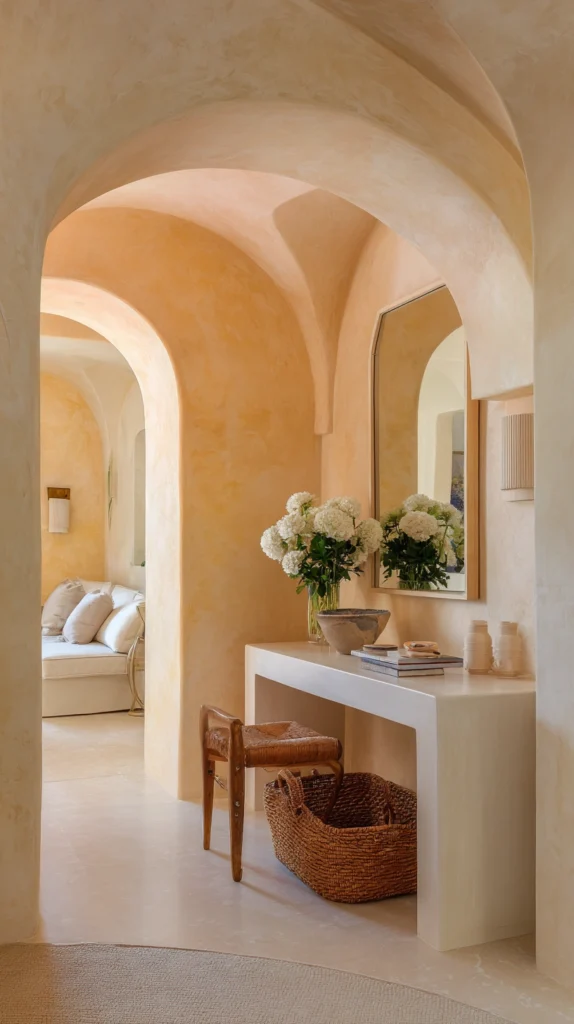
Budget: $40 – $200
The entrance hall painted in a warm pastel — the first surface seen on entering the house, the tone that sets the expectation for every room beyond it — is the most communicatively positioned pastel intervention available to any home. A pale apricot, a warm blush, a soft periwinkle blue: whichever pastel is most characteristically the household’s summer colour, positioned at the entrance, communicates summer from the first moment of arrival.
Paint for a standard entrance hall costs $40–$100 for two coats. A console table in a natural timber or painted white tone against the pastel wall costs $80–$200. A mirror above the console — reflecting the pastel wall back into the space and doubling the apparent depth of the colour — costs $30–$120. The entrance hall is the smallest room in most homes and the one that makes the largest impression per square metre — the investment in the right pastel at the entrance pays back in the quality of every arrival for the season.
Style tip: Paint the entrance hall ceiling in the same pastel as the walls rather than in white. An entrance hall with a pastel ceiling as well as pastel walls creates an enveloping colour quality — stepping into colour rather than looking at it — that a white ceiling above a pastel wall cannot provide. The ceiling is the detail that makes the entrance hall pastel feel immersive rather than decorative.
14. The Botanical Pastel Tablescape
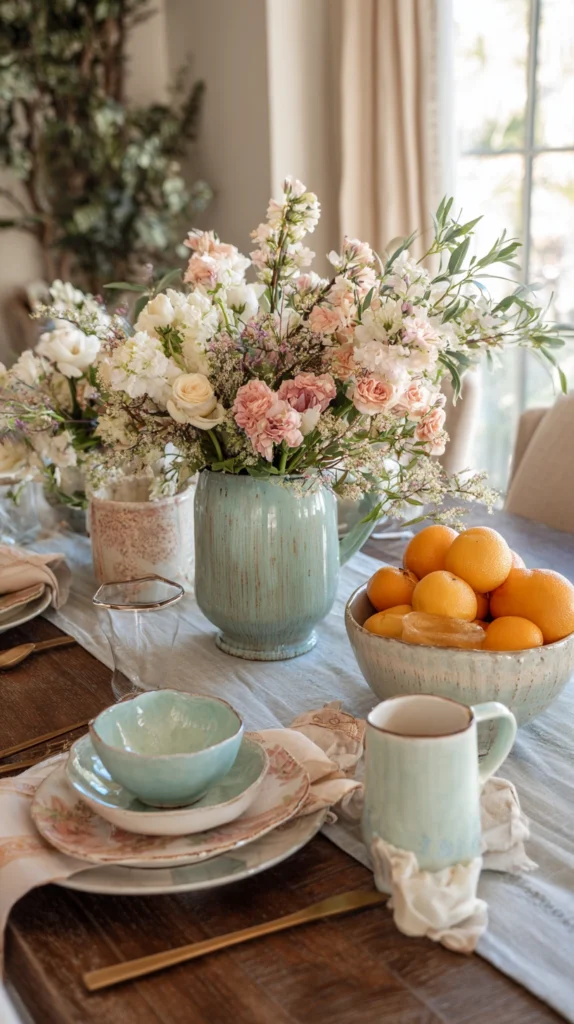
Budget: $20 – $100
A summer tablescape — for a dining table, a coffee table, or a console — built around the botanical pastel palette: a ceramic vase of garden flowers in blush and white, a pale green or cream ceramic bowl, a small arrangement of dried botanicals in warm neutral tones, a candle in ivory or palest yellow. The tablescape is the room’s surface composition and the one that changes most easily and most frequently with the season.
Fresh garden flowers cost nothing if the garden provides them and $10–$25 per bunch from a florist or market. A pale ceramic bowl costs $10–$30. A dried botanical arrangement runs $8–$25. An ivory or pale yellow candle costs $8–$20. The tablescape reads as a complete composition rather than a collection of objects when all elements share the same tonal family — pastels and warm neutrals — and when the heights of the elements vary from the tall flower stem through the medium candle to the low flat bowl.
Style tip: Change the botanical element of the tablescape weekly — the fresh flowers, the single stem, the herb sprig — while keeping the ceramic and candle elements consistent. A tablescape where one element changes regularly communicates that the surface is tended and seasonal; one that is arranged once and left unchanged communicates that it was styled rather than lived with. The weekly flower change is the maintenance practice that keeps the summer pastel tablescape alive rather than static.
The best summer pastel interior is not the one that commits most completely to the palette or applies it most broadly. It is the one that uses the palette with enough restraint that each pastel element is given the clear, pale ground it needs to perform at its best — the single dusty blue throw against warm cream, the pale sage wall behind white joinery, the blush tablescape on a natural timber surface.
The pastel needs the neutral to do its work. The neutral needs the pastel to do its seasonal work. The relationship between the two — soft colour and pale ground, summer tone and natural material — is the composition that makes the summer pastel interior feel genuinely soft and airy rather than simply pale.