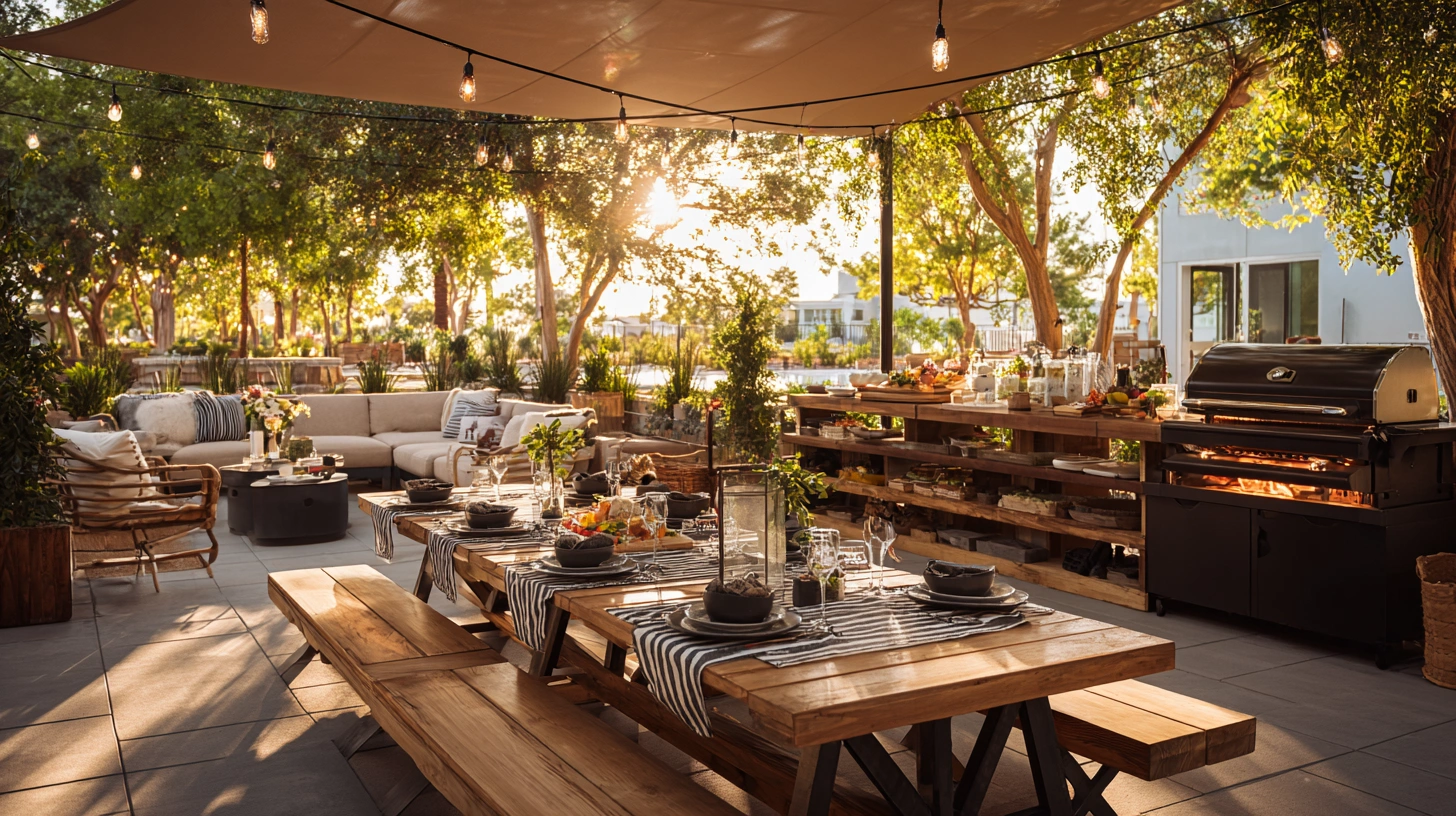
11 Summer BBQ Setup Ideas for Hosting Friends
There is a particular pleasure in a well-run outdoor gathering that centres on a barbecue — a pleasure that comes from the combination of good food being prepared in the open air, the social ease of a long afternoon with nowhere else to be, and the specific atmosphere that cooking over fire creates in a way that no indoor equivalent can replicate.
A summer BBQ is not just a meal. It is a format for an entire day — a structure around which conversation, cold drinks, lawn games, and the particular quality of a warm summer afternoon organise themselves naturally.
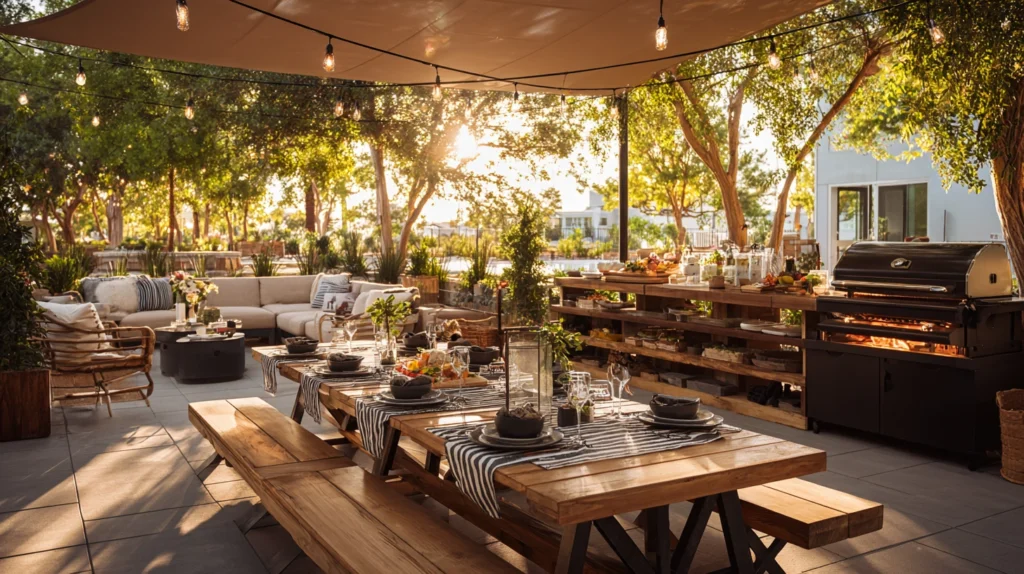
The difference between a BBQ that guests remember and one that was pleasant enough is almost entirely in the setup. The food matters, of course — but the arrangement of the space, the ease with which guests can find what they need, the comfort of the seating, and the small details that communicate genuine hosting effort are what create the atmosphere in which the food becomes genuinely exceptional rather than simply good. Every idea below is designed to make the hosting easier and the experience better for everyone at the gathering.
1. The Dedicated Grill Station
Budget: $80 – $400
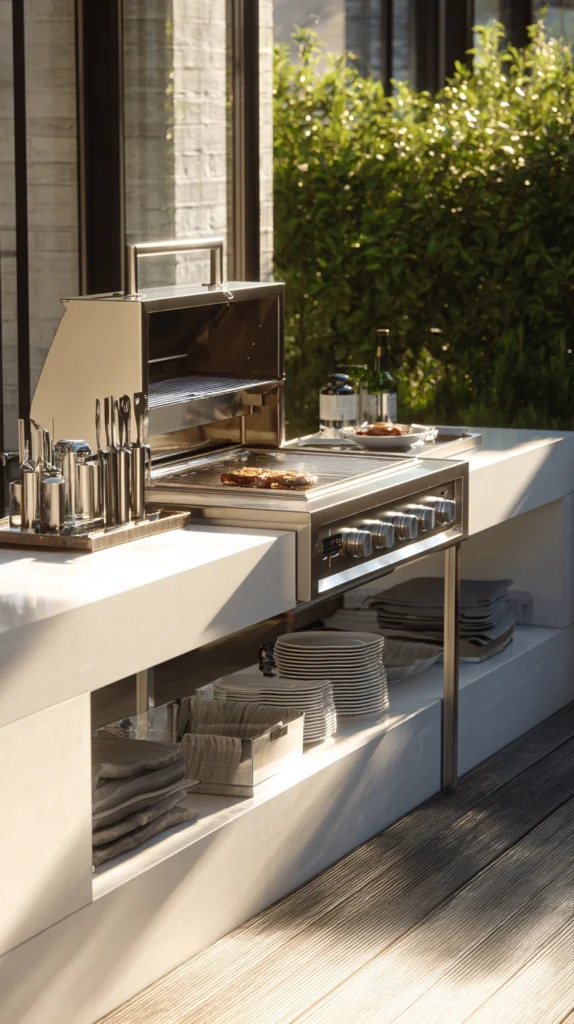
A properly equipped and properly organised grill station — the barbecue itself positioned for good air flow and easy access, a side table or prep surface immediately beside it for ingredients and tools, a magnetic strip or hook rail for tongs, brushes, and skewers, a small heat-proof surface for resting cooked food, and a rubbish bin within arm’s reach — creates a cooking environment that functions efficiently and communicates genuine preparation to every guest who approaches it. The well-organised grill station tells guests that the food was taken seriously before the first coal was lit.
A portable steel prep table beside the grill costs $30–$80 and provides the working surface that most domestic barbecue setups entirely lack — forcing the cook to use the patio table or the garden chair as a prep area and creating the kind of disorganisation that affects the quality of the food. A simple side table at the same height as the grill transforms the cooking experience from improvised to genuinely controlled.
Styling tip: Set up the grill station completely — tools in place, prep surface cleared, rubbish bin positioned — the evening before the gathering rather than on the morning of the event. A grill station assembled under time pressure always has something missing or incorrectly positioned; one set up calmly the evening before is exactly right from the moment guests arrive.
2. The Self-Service Drinks Station
Budget: $40 – $200
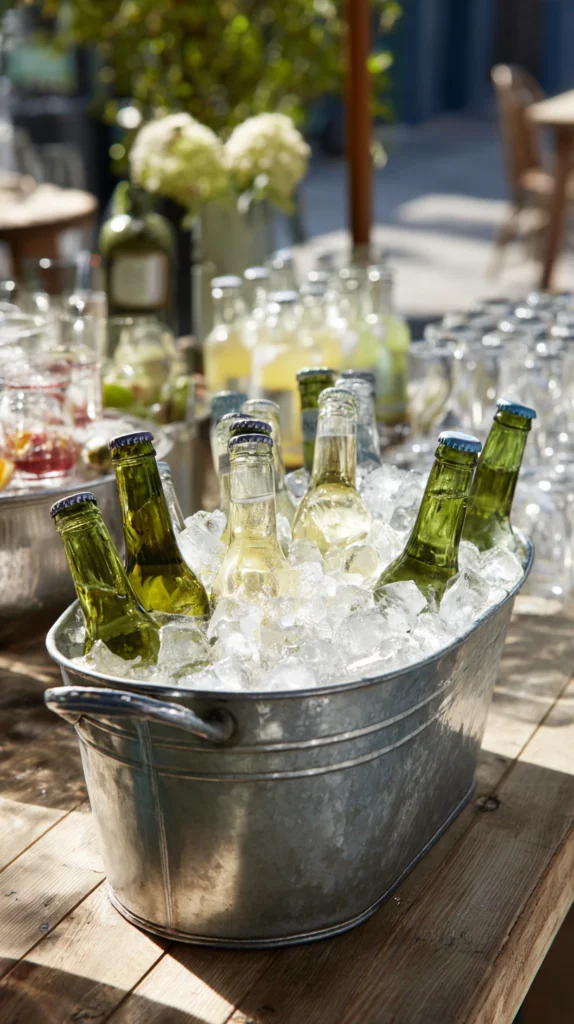
A dedicated drinks station — a large galvanised metal tub or cooler chest filled with ice and every drink available at the gathering, a second smaller tub for non-alcoholic options, a tray of glasses, a bottle opener on a retractable cord, and a card or chalk board listing everything available — creates one of the most significant improvements available to any outdoor gathering. The self-service drinks station removes the hosting bottleneck of individual drink requests and allows guests to help themselves throughout the afternoon without requiring the host’s attention at every refill.
A galvanised metal tub costs $20–$40 and holds a full gathering’s worth of drinks in ice with genuine visual character. Bags of party ice cost $3–$5 each and keep drinks cold for four to six hours in a metal tub. Fill the tub an hour before guests arrive rather than at the start of the gathering — drinks that have been in ice for an hour are genuinely cold; drinks added to ice at serving temperature take 30–45 minutes to reach the right temperature.
Styling tip: Label every drink in the tub with a small waterproof tag or write the contents of the tub on the adjacent chalkboard. Guests who can see what is available at a glance make their choice quickly and move away from the drinks station; guests who have to search through ice to find what they want create a bottleneck and tend to cluster around the tub for longer than necessary.
3. The Condiment and Sauce Bar
Budget: $20 – $80
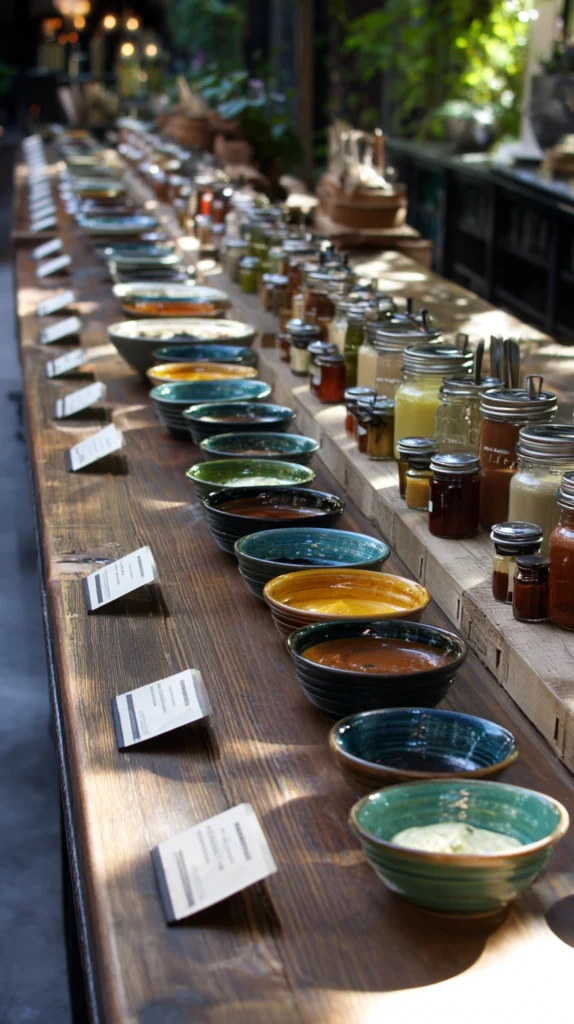
A dedicated condiment and sauce station — every sauce, every condiment, and every accompaniment laid out on a defined surface with labels and serving utensils — is the most directly practical improvement available to the food service at any BBQ gathering. A condiment bar where every option is visible, accessible, and clearly identified allows guests to dress their own food exactly as they prefer without asking the host for anything and without the condiment bottles being passed hand to hand around a crowded table.
Decant condiments into small ceramic bowls or glass jars rather than leaving them in the original bottles — the decanted condiments look considered and serve more efficiently than bottles with small nozzles that slow the serving line. Label each bowl with a small handwritten card. Provide a separate spoon for each condiment to prevent cross-contamination and to keep the condiment bar looking organised rather than used and chaotic.
Styling tip: Arrange the condiment bar in a logical sequence from mild to hot, from sweet to savoury, or in the order they would naturally be applied to the food — butters and spreads first, sauces and ketchups next, mustards and hot sauces toward the end. A logical sequence allows guests to move through the condiment bar in one direction without backtracking, which keeps the serving line moving smoothly throughout the meal.
4. The Bread and Side Dishes Table
Budget: $30 – $150
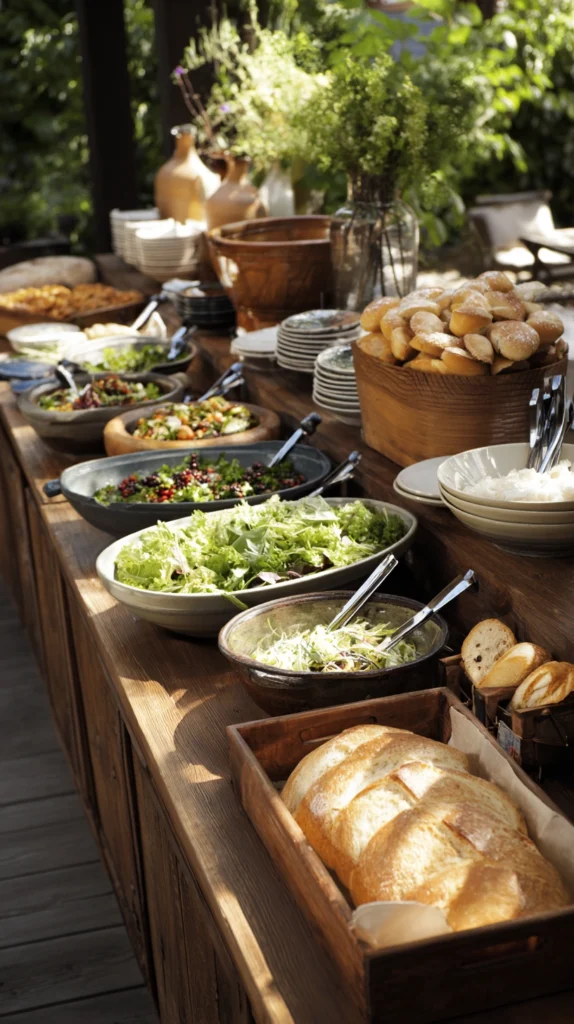
A dedicated table for bread, salads, sides, and accompaniments — positioned separately from the grill station and the dining table — creates a buffet service format that distributes the crowd across different areas of the outdoor space rather than concentrating everyone in a single bottleneck at the grill. The separate sides table communicates abundance and variety before a single piece of meat has been served, and it allows guests to begin eating sides while the main event is still cooking.
Dress the sides table with a cloth, small labels beside each dish identifying what it contains, and serving utensils in every dish — not one shared pair of tongs used for every salad, but a dedicated spoon or fork in each bowl. The individual serving utensil is the single most practical detail available to a buffet table and the one most frequently omitted. Its absence creates the congestion of people waiting for the single shared spoon that slows every self-service food station.
Styling tip: Position the heavier, more substantial side dishes — pasta salads, roasted vegetables, coleslaw — toward the beginning of the sides table and the lighter, more delicate accompaniments — dressed leaves, herb salads, fresh salsas — toward the end. Guests loading their plates naturally move through the table in sequence and the heavier items taken first balance the plate by the time the lighter garnishes are reached.
5. The Outdoor Seating Plan
Budget: $50 – $400
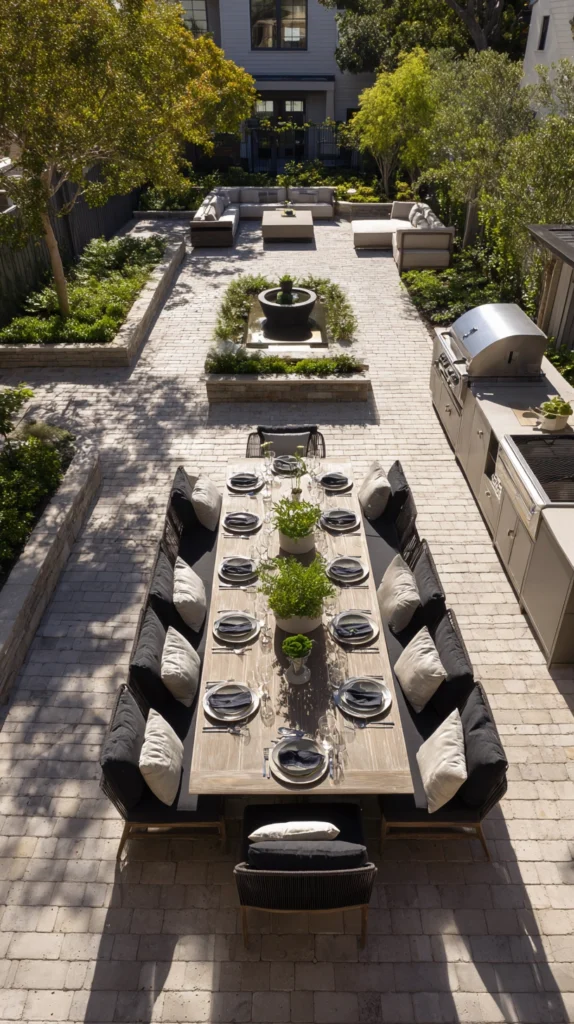
A genuinely considered outdoor seating arrangement — enough seats for every guest to be seated comfortably simultaneously, arranged in a configuration that encourages conversation across the whole group rather than fragmenting it into isolated sub-conversations — is the most important and the most frequently underprepared element of any outdoor gathering. A BBQ where some guests are seated and others are standing, where some seats face each other and others face away, and where the conversation naturally divides into separate clusters rather than including the whole group, is a gathering that has not been fully set up.
Mix long bench seating with individual chairs for a relaxed, varied seating arrangement that allows people to sit close together or more spaced out depending on preference. A single long table seating the whole group creates a more unified social dynamic than multiple smaller tables — the full group shares a surface and a conversation rather than self-selecting into smaller units. Ensure there are two or three additional seats beyond the exact headcount — outdoor gatherings almost always accommodate a late addition or a guest who prefers to move between seats.
Styling tip: Arrange the seating so that the grill is visible from the dining table — guests who can see the cooking happening maintain a connection to the food’s progress and to the cook that guests seated with their backs to the grill cannot. The visual connection between the dining table and the cooking station is what gives a BBQ gathering its particular social character and distinguishes it from a meal that was simply cooked outside.
6. The Shade and Shelter Zone
Budget: $60 – $400
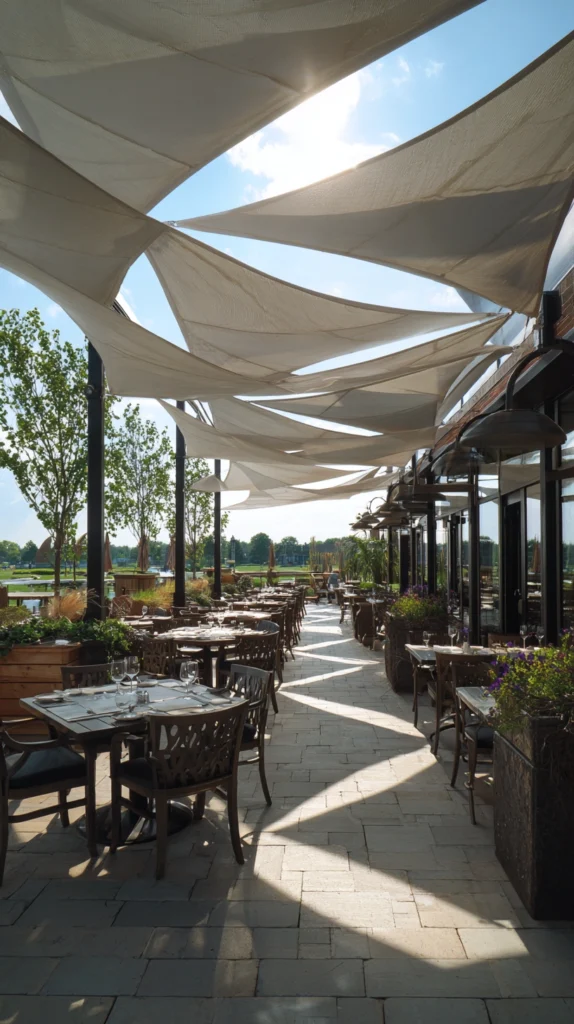
An outdoor gathering in high summer without any shade provision quickly becomes an outdoor gathering that guests leave earlier than intended. A large market umbrella, a sail shade stretched between posts, a gazebo positioned over the dining area, or a canopy of string lights that provides psychological enclosure if not physical shade creates the sheltered zone that makes an afternoon BBQ genuinely comfortable rather than genuinely hot.
Position the primary shade structure over the dining and seating area rather than over the grill — the cook at the grill generates their own heat and benefits from ventilation rather than shade, while the guests waiting and eating benefit most from a cool, shaded gathering area. A secondary shade area away from the main seating — a shaded retreat with a few chairs — gives guests the option to move into deeper shade without leaving the gathering entirely.
Styling tip: Set up the shade structures the day before the gathering to test that the coverage is genuinely effective at the time of day the gathering will be in progress. Shade that works perfectly at 11am may leave the dining table in full sun at 3pm as the sun’s angle changes. Testing the coverage in advance allows repositioning before the gathering rather than during it.
7. The Kids’ BBQ Zone
Budget: $30 – $150
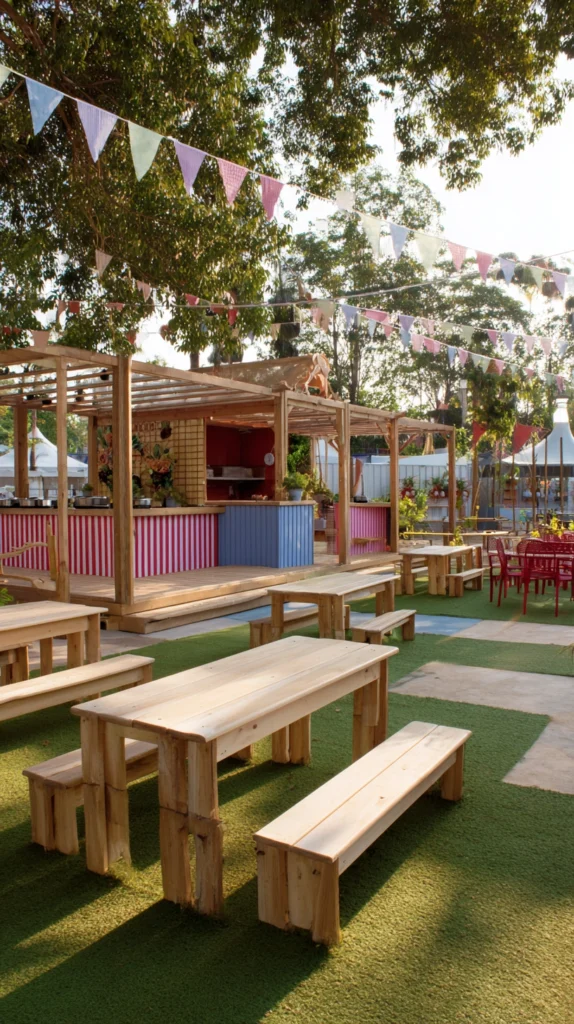
A dedicated children’s area at the BBQ gathering — a defined space with age-appropriate food options on a separate low table, outdoor games and activities accessible independently, shaded seating at child height, and food served earlier than the adult main course — creates a gathering where children are genuinely considered and genuinely catered for rather than present but accommodated as an afterthought. Children who have their own zone, their own food, and their own activities are significantly more content and significantly less demanding of adult attention throughout the afternoon.
Set up the children’s food station with finger foods at accessible height — mini sliders, corn on the cob, watermelon slices, vegetable crudités with dip — that children can serve themselves without adult assistance. Provide cold drinks in a small dedicated tub at child height. The independence that a properly equipped children’s food station provides is valuable for both the children and the adults simultaneously.
Styling tip: Position the children’s zone where it is clearly visible from the main adult seating area — close enough that parents can monitor their children effortlessly without being required to physically move to the children’s area, but separate enough that children feel they have their own defined space within the gathering rather than simply being smaller participants in the adult arrangement.
8. The Dessert and Sweet Station
Budget: $30 – $150
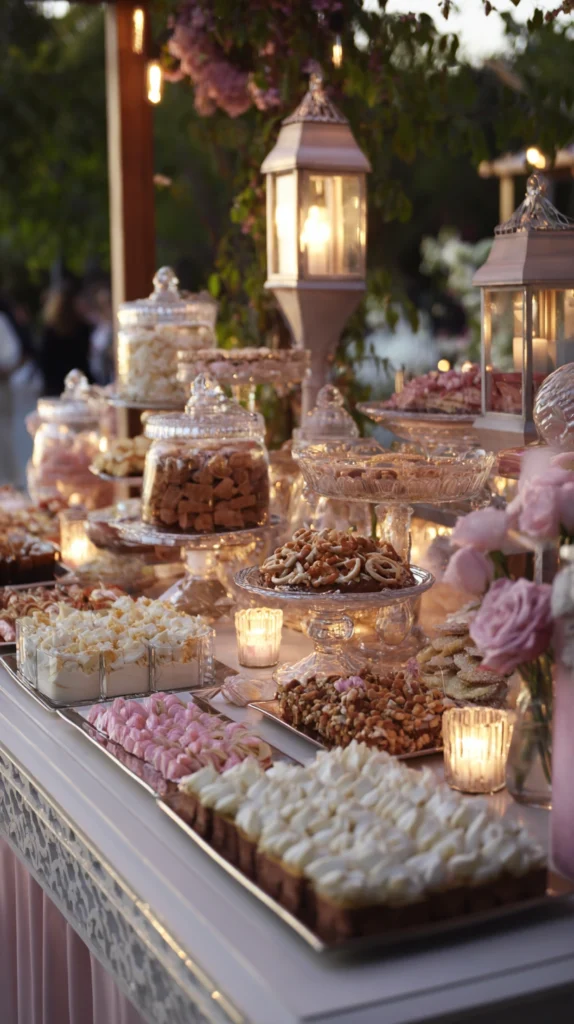
A dedicated dessert station — set up separately from the main food area and revealed after the main course has been cleared — creates a second act for the gathering that gives the afternoon a narrative structure and a moment of renewed communal focus after the individual serving rhythm of the BBQ main course. The dessert station, when it is revealed and when it is genuinely good, is the moment the gathering remembers most consistently.
A tiered dessert stand with seasonal fruit pavlovas, individual trifles, and homemade brownies creates a dessert station of genuine visual abundance. A s’mores station beside the fire pit — marshmallows, chocolate, graham crackers, and metal skewers in a pot — creates a communal dessert activity that brings the whole group together around the fire in the most naturally social way. A large summer pudding or berry trifle in a beautiful ceramic bowl creates a single spectacular centrepiece dessert that serves the whole group.
Styling tip: Reveal the dessert station by bringing the table out or uncovering it rather than having it visible throughout the main course. A dessert station that has been visible throughout the meal loses the element of anticipation and discovery that makes it a genuine moment in the gathering’s progression. Cover with a linen cloth and remove it with appropriate ceremony — the small theatrical gesture creates a moment that guests always appreciate.
9. The Ambient Music Setup
Budget: $30 – $200
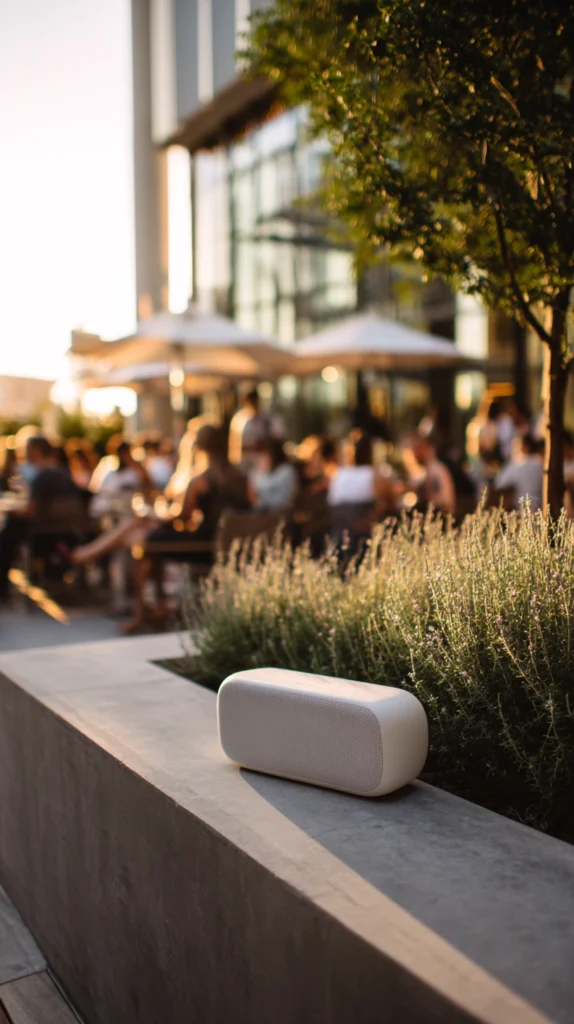
A dedicated outdoor speaker positioned and set up before guests arrive — with a playlist running continuously at a volume level that fills the space without interrupting conversation — is the single most effective atmospheric improvement available to an outdoor gathering at modest cost. Music at the right level and in the right genre creates a social ease and an energy in a gathering that silence cannot provide and loud music undermines. The BBQ playlist is as much a part of the hosting as the food.
A quality portable outdoor Bluetooth speaker — waterproof, with sufficient volume for an outdoor space — costs $40–$150. Position the speaker at the perimeter of the main seating area rather than at its centre — a speaker at the edge of the space creates an ambient sound environment that fills the gathering; a speaker at the centre creates a focal point that makes conversation feel like it is competing with the music.
Styling tip: Prepare the BBQ playlist in advance and set it to shuffle or to a pre-determined sequence rather than managing it in real time during the gathering. A host who is adjusting the music throughout the afternoon is a host who is distracted from the hosting. The music should be set, running, and requiring no attention for the duration of the event — a three or four hour playlist covers any gathering comfortably without repetition.
10. The Evening Transition Setup
Budget: $40 – $200
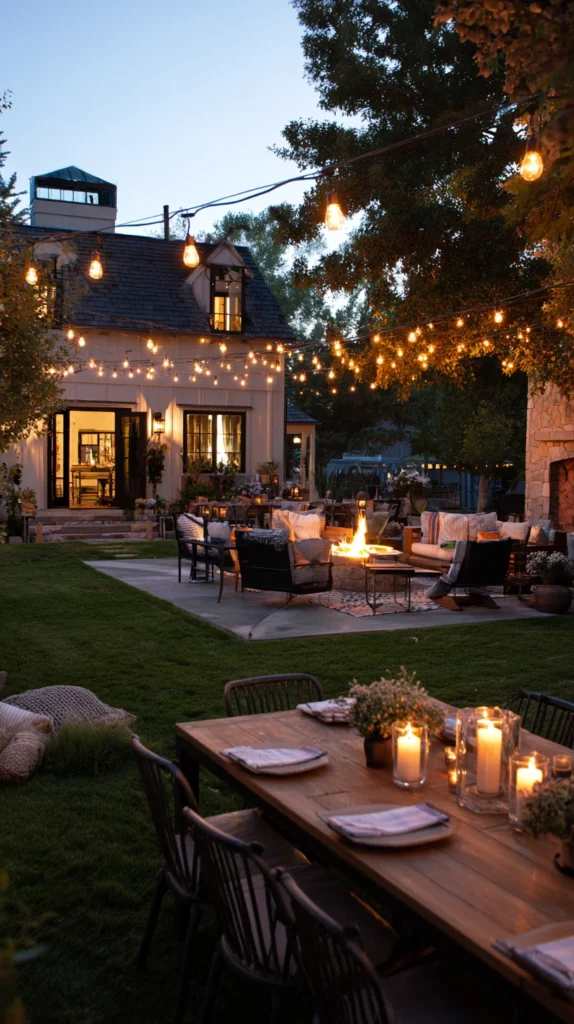
A summer BBQ that continues into the evening — as the best ones always do — needs a planned transition from the bright afternoon gathering to the warm evening one. String lights switched on as the light fades, candles and lanterns lit on the tables and around the space, a fire pit or chiminea started as the temperature drops, and blankets brought out for guests who feel the cool — these are the elements that allow the gathering to continue naturally rather than breaking when the sun goes down.
Prepare the evening transition elements in advance rather than retrieving them from storage in the middle of the gathering. Blankets in a basket beside the seating, candles already on the table ready to light, fire pit stocked with wood, string lights on a timer that activates at dusk — each element prepared in advance is an element that transitions smoothly rather than requiring an interruption of the gathering for setup.
Styling tip: Dim the outdoor security or patio lights as the evening gathering transitions from afternoon — the functional outdoor lighting that suits a daylight gathering is too bright and too harsh for an evening atmosphere. Switch the security lighting off or to its minimum setting and let the string lights, lanterns, and fire provide the evening illumination. The change in light quality signals the transition from afternoon to evening more effectively than any other single change to the space.
11. The Hosting Essentials Kit
Budget: $20 – $80
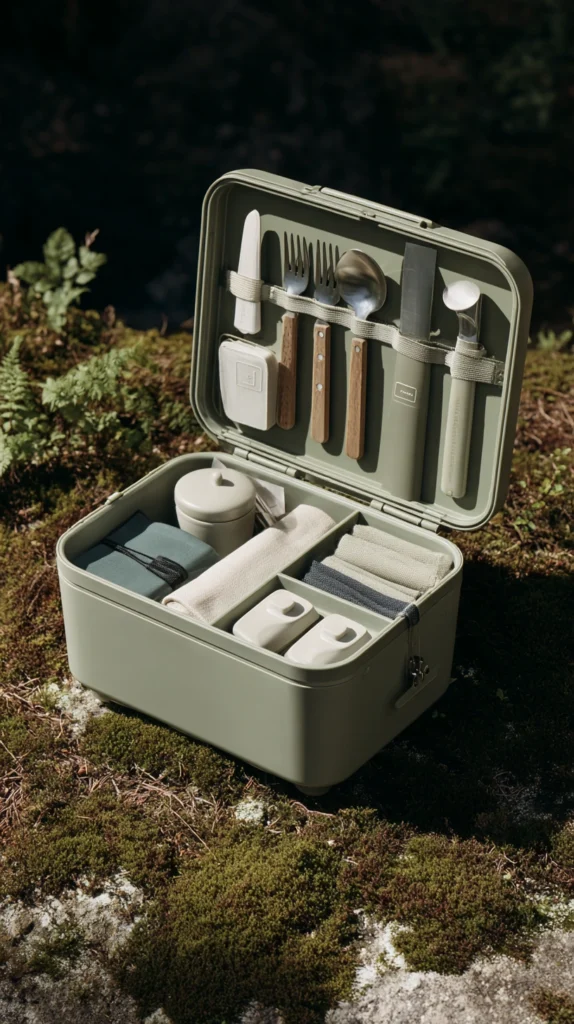
A dedicated hosting essentials kit — a box, tray, or basket containing every small practical item that a BBQ gathering requires and that is invariably missing when needed — is the most practically useful setup improvement available to any outdoor host. Extra napkins, spare cutlery, food covers for keeping flies off serving dishes, a corkscrew and bottle opener, a lighter and matches, rubbish bags, a first aid kit, sunscreen, insect repellent, and a roll of kitchen paper — all in one place, accessible immediately when needed.
The essentials kit is assembled once and refilled after each gathering — the investment is a single afternoon of preparation that pays a return at every subsequent outdoor event. A waterproof storage box ($15–$30) keeps the contents dry and organised between gatherings and can live permanently in the shed or garage between events.
Styling tip: Add a small notepad and pen to the hosting essentials kit for writing down what ran out, what was missing, and what needs replenishing before the next gathering. The notes taken immediately after an event — while the gaps and shortages are still fresh — are the most useful tool available for improving the setup of every subsequent gathering. A hosting kit that is reviewed and updated after each event is a hosting kit that becomes progressively more complete and progressively more effortless to use.
The summer BBQ that guests remember and talk about afterward is the one where nothing went wrong — not because everything was perfect, but because the setup was thorough enough that the inevitable small imperfections were absorbed without disrupting the atmosphere. The gathering where the drinks are always cold, the food comes out consistently, the seating is comfortable, and the host is present and relaxed rather than harassed and distracted is the gathering everyone wants to be invited back to. The setup is what makes the host relaxed. The relaxed host is what makes the gathering genuinely enjoyable. Every hour spent on the setup is returned many times over in the quality of the afternoon it produces.