14 Low-Cost Backyard Makeovers That Look Expensive
The backyard makeovers that look most expensive are almost never the ones that cost the most. They are the ones where the right decisions were made — a consistent material palette, a clearly defined focal point, a crisp edge between every surface, and enough restraint to stop adding before the space became cluttered.
These are design decisions, not budget decisions, and they are available at every price point to any gardener willing to think carefully before spending.
The fourteen makeovers below all cost under $200 each and most cost considerably less. Every one produces a visual result that looks as though considerably more was spent and every one is achievable in a weekend without professional trades or specialist tools.
1. Paint the Fence in a Deep, Bold Colour
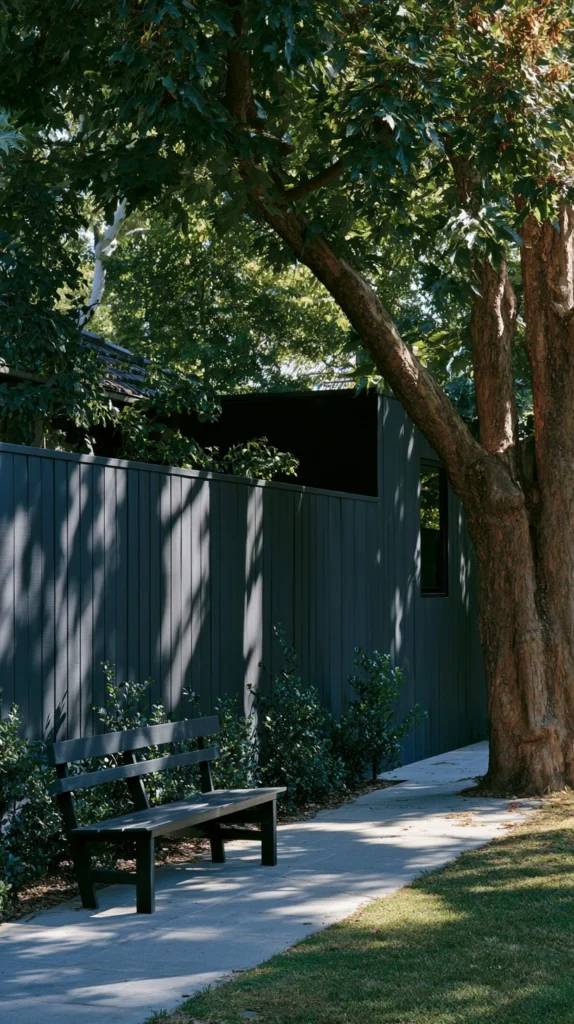
Budget: $20 – $60
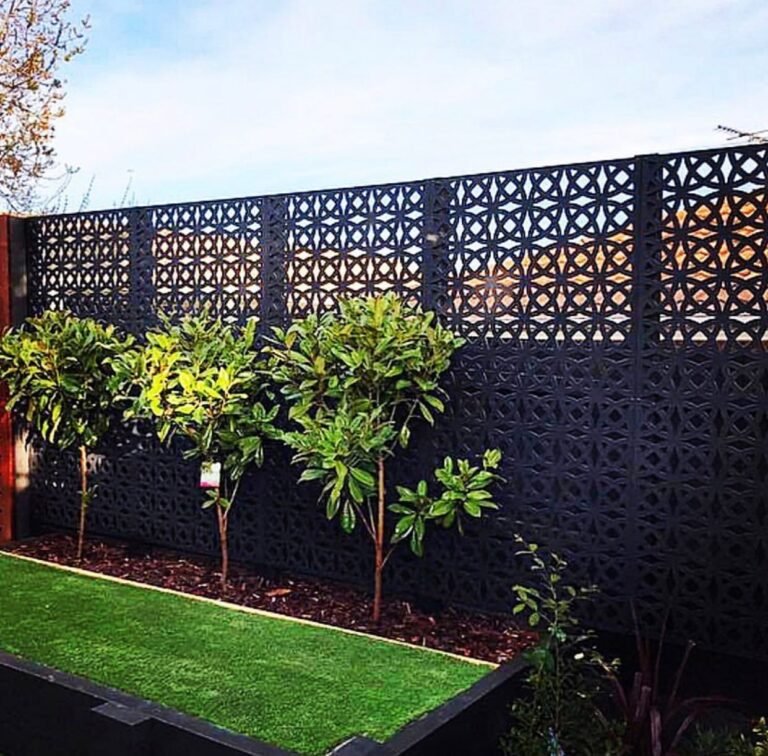
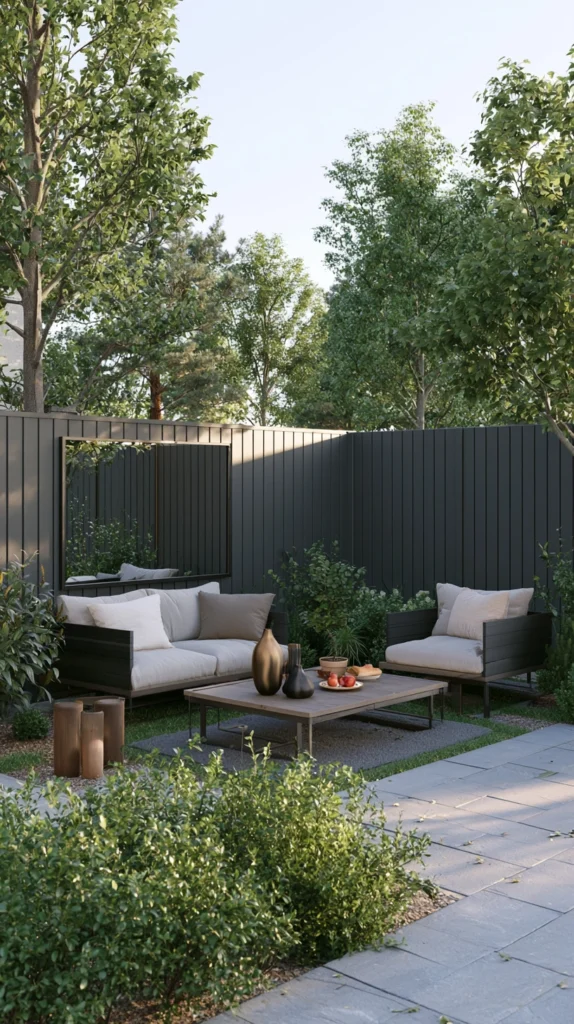
A fresh coat of deep exterior paint on the fence — navy, forest green, charcoal, or terracotta — is the fastest and most dramatic backyard transformation available at any budget. The right colour makes the fence disappear as a boundary and reappear as a backdrop that makes every plant in front of it look more deliberate, more considered, and more expensive than it was before the paint was applied. A painted fence takes a half day and changes everything visible from the house.
Exterior fence paint or timber stain costs $15–$35 per litre and covers approximately 6–8 square metres per litre. Paint only the fence sections that form the backdrop to the main seating area and garden viewpoint in the first session — the visual impact of one key section painted well is immediate and allows the colour to be assessed in the actual garden before committing the full perimeter to the same treatment.
Makeover tip: Paint the fence before adding any new planting or decorative elements rather than after. A freshly painted fence behind an existing border immediately makes the existing planting look more deliberately placed and better curated. Adding new plants to a newly painted fence backdrop produces an even more significant visual upgrade than either intervention alone — the combination always exceeds the sum of its parts.
2. Lay Interlocking Timber Deck Tiles
Budget: $60 – $200
Interlocking timber deck tiles — clicked together directly over an existing concrete, paving, or compacted gravel surface without any fixings, adhesive, or groundwork — transform an ugly or plain outdoor floor surface in a single afternoon. The warm, natural appearance of timber decking at eye level immediately elevates the visual quality of the entire area above it, and the cost is a fraction of professional decking installation on a prepared sub-base.
Interlocking acacia or pine deck tiles cost $2–$6 per tile from home improvement retailers. A 3×3 metre area requires approximately 36 tiles at $72–$216 total. No tools are required — tiles snap together and are cut to size at the edges with a handsaw or jigsaw. Install over any flat, reasonably level existing surface. Leave a 2 cm gap at the perimeter for drainage and thermal expansion. Oil with an exterior timber oil ($15–$25 per litre) once per year to maintain the warm colour and protect from weathering.
Makeover tip: Lay the deck tiles in a diagonal orientation — 45 degrees to the fence lines — rather than parallel to them. A diagonal deck tile pattern makes the area appear larger than it is by directing the eye across the widest available dimension rather than along the shortest. It also reads as a more considered design decision than a standard parallel layout — the additional visual interest costs nothing beyond the decision itself.
3. Create a Defined Seating Area With a Rug
Budget: $40 – $150
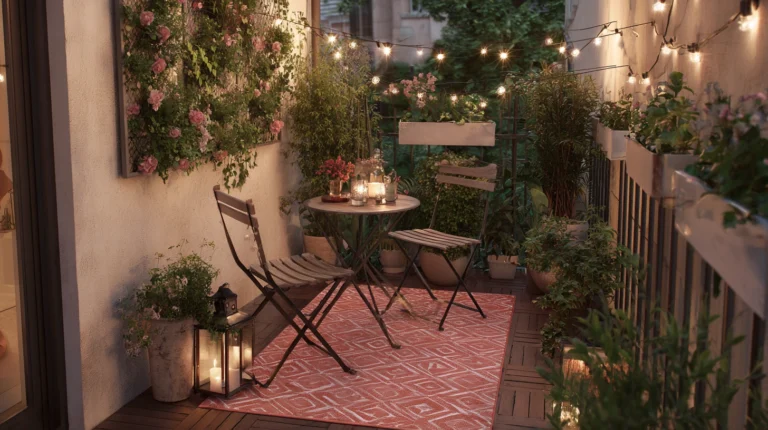
An outdoor rug placed beneath the existing garden furniture defines the seating zone as a room within the garden rather than furniture placed on a hard surface. This single addition — available at very low cost from most homeware retailers — transforms any outdoor seating setup from a collection of chairs into a genuinely composed outdoor living space. It is the move that interior designers make first in any outdoor space they are commissioned to style.
A polypropylene outdoor rug in a natural stripe, geometric pattern, or plain warm tone costs $40–$120 for a 160×230 cm size — large enough for a bistro table and four chairs. Choose a rug with at least 30 cm of surface visible around all furniture legs. A rug that is too small makes the furniture look stranded on a mat rather than grounded within a defined zone. Add two cushions in a complementary tone ($15–$30 each) and the seating area reads as fully furnished rather than functionally assembled.
Makeover tip: Store the outdoor rug indoors through the winter months rather than leaving it outdoors year-round. An outdoor rug stored undercover through the coldest months lasts three to four times longer than one left permanently outside — it retains its colour, its surface texture, and its appearance significantly better than an equivalent rug subject to frost, standing water, and UV through twelve months of continuous outdoor exposure.
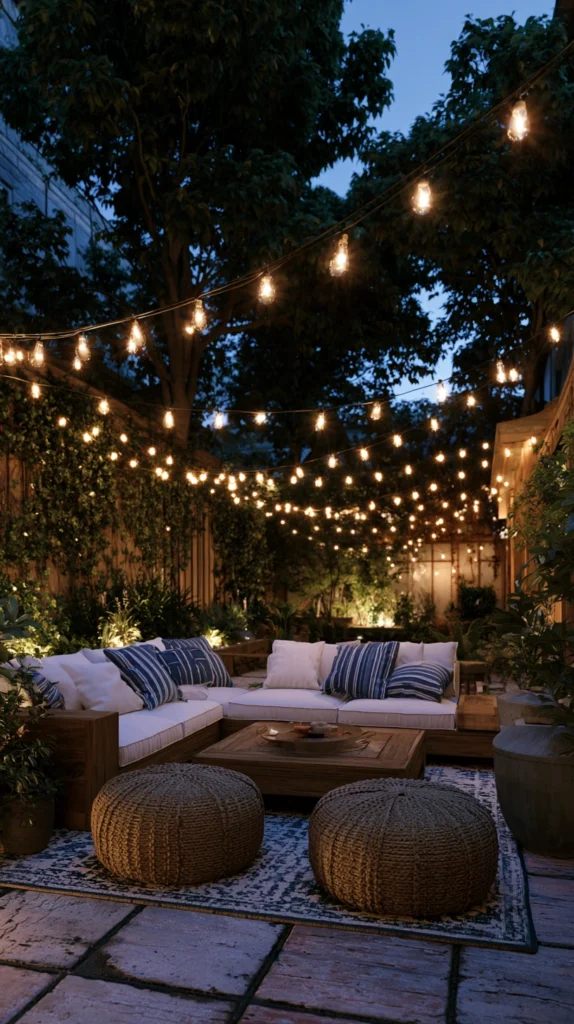
4. Install Solar String Lights Above the Seating Area
Budget: $25 – $80
Solar string lights strung above the main seating area — from house wall to fence post, or between two timber posts — extend the usable hours of the backyard by two to three on every summer evening and create an atmosphere after dark that makes the garden feel genuinely designed rather than simply maintained. The investment pays back immediately in extended summer evenings and in the specific pleasure of a lit outdoor space at dusk.
Solar warm white string lights in a 10-metre Edison bulb format cost $30–$70 and require no electrical installation — the solar panel charges through the day and the lights come on automatically at dusk. Install two timber fence posts ($8–$15 each) if no existing structure provides the right hanging points. Fix the lights in a slight catenary curve rather than pulling them perfectly horizontal — the gentle sag looks natural and reads as deliberate rather than the overly tight line of a string pulled to maximum tension.
Makeover tip: Position the solar panel for string lights in the sunniest available position in the garden rather than adjacent to the lights themselves. Most solar string light systems include a cable of 3–5 metres between the panel and the first bulb — using this cable fully allows the panel to charge in maximum sun while the lights are suspended in the position most useful for the seating area, which is often in partial shade from the house wall or adjacent structures.
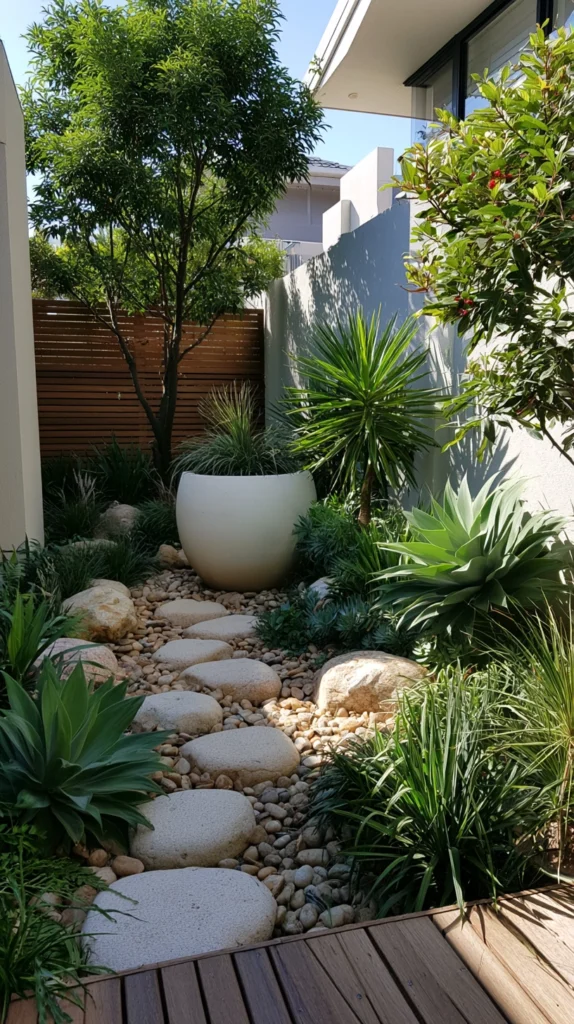
5. Add One Large Statement Pot
Budget: $30 – $100
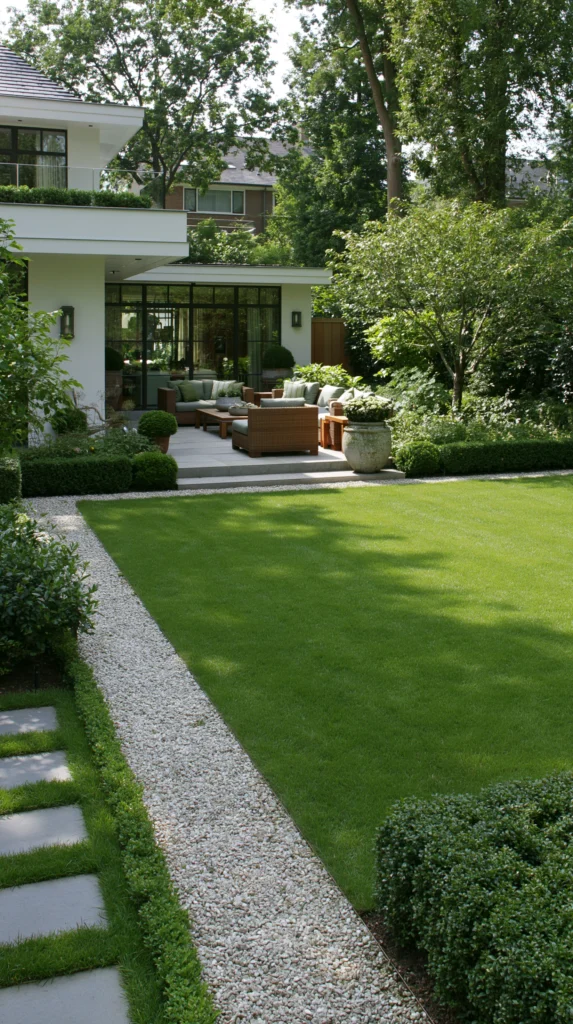
One generously sized pot — 45 cm diameter or above — planted with a single bold specimen and positioned at the most visible point of the backyard creates more immediate visual impact than a dozen smaller pots distributed across the same space. Large pots have presence and authority. They anchor the space, frame a doorway, or terminate a sight line with a confidence that no small pot collection approaches regardless of its combined planting quality.
A large glazed ceramic pot of 45 cm diameter costs $30–$80. A large terracotta equivalent runs $20–$60. Plant with a single specimen — a standard olive tree ($25–$60), a large ornamental grass ($12–$25), or a clipped bay standard ($30–$80) — for the most architecturally convincing result. Position at the end of the garden’s main sight line from the house or kitchen window, where it creates a focal point that draws the eye deliberately through the full length of the backyard.
Makeover tip: Place the statement pot on a pot foot, a brick, or a purpose-made pot stand ($5–$15) to lift it 5–8 cm from the ground surface. A large pot elevated slightly from the floor appears more considered and more deliberately placed than the same pot sitting directly on the paving. The gap below the pot also improves drainage and prevents the staining that occurs where a large pot sits in direct contact with stone or concrete through repeated wet weather.
6. Sharpen Every Edge in the Garden
Budget: $0 – $40
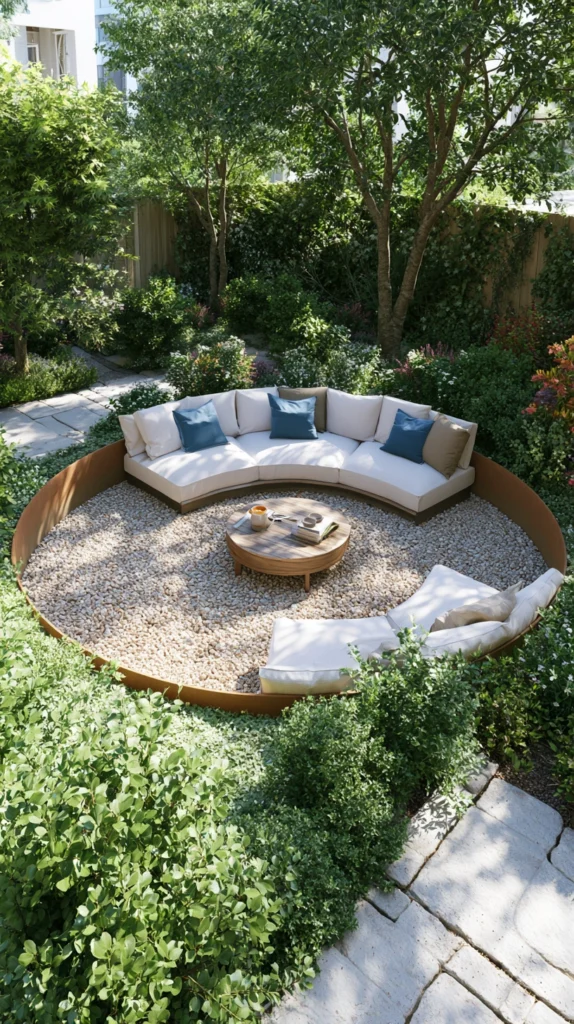
Clean, sharp edges between the lawn and the border, between the gravel and the planted area, and between every different surface in the garden are the detail that most immediately communicates that the space is maintained and cared for. A freshly cut lawn edge — vertical, precise, and consistent — makes the entire garden look more expensive than any amount of new planting or decoration achieves in the same area. It is visible from thirty metres and it costs nothing beyond the tool and the time.
A half-moon edging spade costs $20–$40. Re-cut every border and lawn edge in a single session in spring and again in midsummer — two sessions per season that together take three to four hours for a standard backyard and produce a visual result that persists for six to eight weeks before needing refreshing. The ten minutes per ten metres that edge maintenance requires produces the highest visual return per time invested of any garden maintenance task available at any budget level.
Makeover tip: After re-cutting the edges, rake the trimmings and any loose soil back into the border rather than leaving them on the lawn surface. A freshly cut edge with grass trimmings scattered on the lawn surface looks like an edge that was cut and then immediately abandoned. The same edge raked clean looks finished, deliberate, and maintained — the difference takes two minutes of additional work and is immediately visible from any viewpoint in the garden.
7. Replace Old Pots With a Matching Set
Budget: $40 – $150
Replacing a collection of mismatched, different-sized, different-material pots with a set of matching equivalents in the same material and a consistent size range produces one of the most dramatic visual improvements available for a backyard with container planting. The inconsistency of mixed pot materials is one of the most reliable signals of a garden that has accumulated rather than been designed — removing it produces an immediate sense of order and intention that requires no additional planting investment.
A set of five matching terracotta pots in graduating sizes costs $30–$80. A set of five matching black matte ceramic pots runs $40–$120. Keep the same plants that were in the existing mismatched pots — the transformation is in the containers, not the contents — and arrange the matching set in a group rather than distributing them individually across the garden. A grouped set of matching pots reads as a designed display. The same pots placed singly across the garden reads as containers that have been placed wherever there was space.
Makeover tip: Store the replaced mismatched pots rather than discarding them — they can be used for propagation, for overwintering tender plants, or for growing on purchased plug plants to display size before transferring them to the matching display set. The functional pot collection housed out of sight costs nothing after the initial purchase and serves a genuine ongoing purpose in the productive management of the garden.
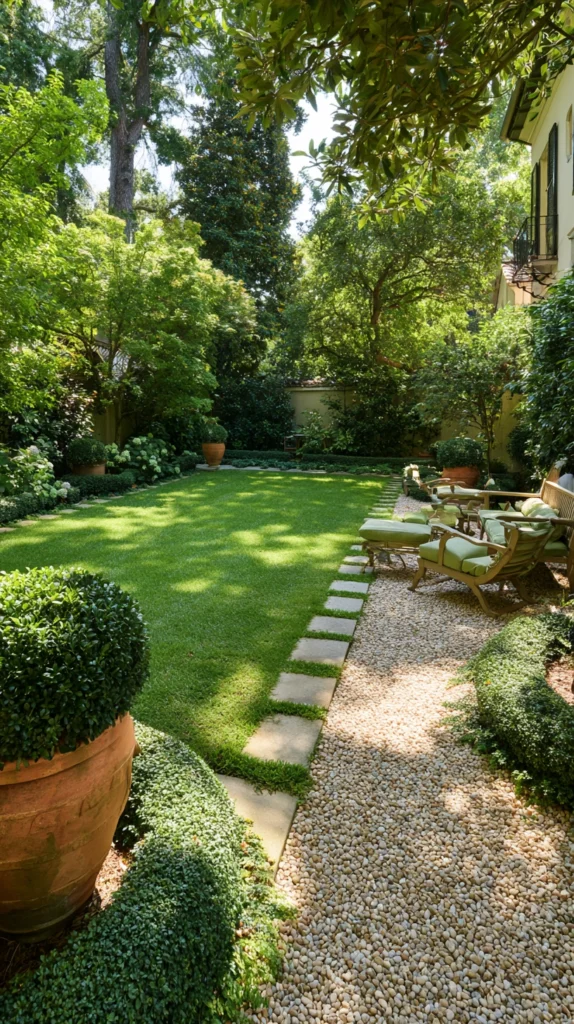
8. Build a Simple Gravel Seating Circle
Budget: $50 – $150
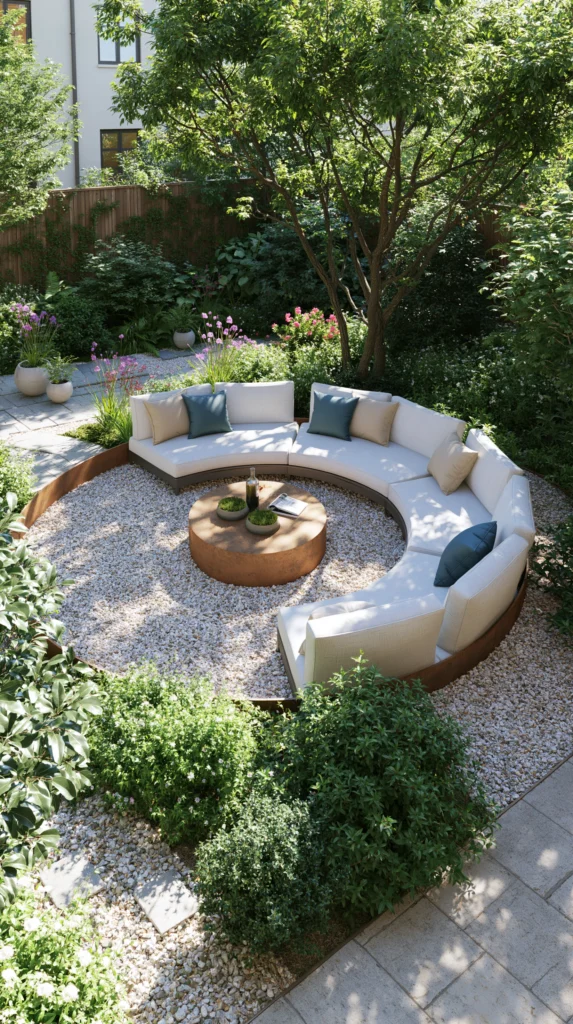
A defined circle of pale gravel — 2.5–3 metres in diameter — in the centre or at one end of the backyard, with a bistro table and two chairs positioned within it, creates a clearly defined outdoor room at a fraction of the cost of any hard paving installation. The circle form is inherently more interesting than a rectangular paved area of the same size and the pale gravel surface reflects light and visually enlarges the surrounding planted space rather than absorbing it.
Weed-suppressing membrane for the circle base costs $10–$20 per roll. Pale pea gravel at $20–$40 per large bag — three to four bags for a 3-metre circle at 5 cm depth — costs $60–$120. Steel edging to define the circle perimeter costs $20–$40 for the circumference of a 3-metre circle. The complete gravel circle — membrane, edging, and gravel — costs $90–$180 and creates a defined, intentional outdoor room in a single weekend without any groundwork beyond the edging installation.
Makeover tip: Edge the gravel circle with low lavender plants — six to eight plants spaced around the perimeter at 40 cm intervals — rather than leaving the steel edging as the only visible boundary between the circle and the surrounding garden. Lavender edging at $4–$10 per plant costs $24–$80 and softens the transition between the gravel surface and the planting beyond it while adding fragrance and pollinator value to the entire seating area through the summer months.
9. Hang a Mirror on the Boundary Fence
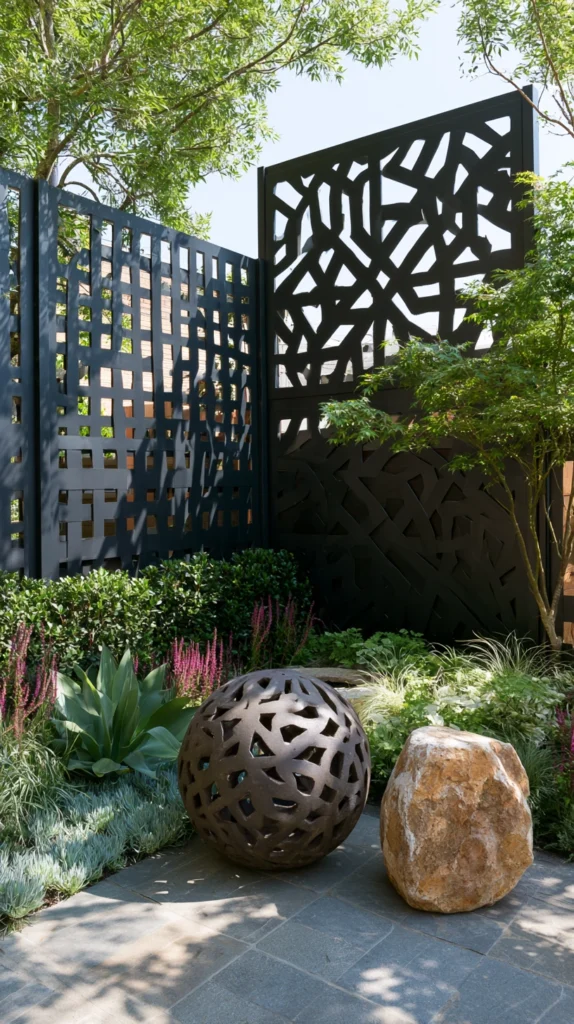
Budget: $30 – $100
An outdoor mirror fixed to the fence at the end of the garden’s main sight line immediately doubles the apparent depth of the backyard and creates the impression of a garden that continues beyond its actual boundary. The illusion is most effective from the main seating or viewing position and most convincing when the mirror reflects interesting planting rather than a bare fence or the viewer themselves.
An outdoor-rated arched or rectangular mirror of 60×90 cm costs $40–$100. Fix using stainless steel screws rated for outdoor use — standard interior mirror clips corrode within two to three seasons of outdoor humidity. Angle the mirror very slightly — 5 to 10 degrees — off the direct sight line axis so that a viewer standing at the main viewpoint sees reflected garden rather than their own approaching reflection. Frame both sides of the mirror with a climbing plant for the most convincing spatial illusion.
Makeover tip: Clean the garden mirror every six to eight weeks through the growing season. A mirror covered in condensation deposits, bird droppings, and plant debris reflects a blurred, dirty version of the garden rather than the crisp, convincing spatial illusion that a clean mirror produces. Three minutes of cleaning with a damp cloth every six weeks maintains the reflective quality that makes the mirror worth installing in the first place.
10. Create a Focal Point With Paint and a Pot
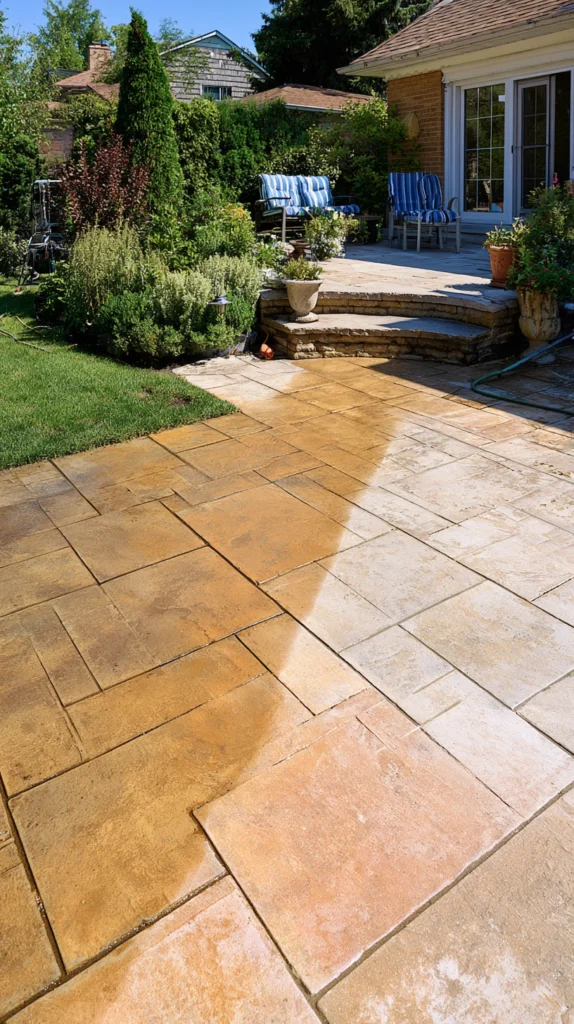
Budget: $30 – $90
Paint a single fence panel in a bold colour and position one large terracotta pot with a statement plant directly in front of it. This combination — a coloured backdrop and a single defined focal point — costs under $100 and creates a backyard vignette visible from the main seating area, from the kitchen window, and from across the garden simultaneously. It is the highest-impact, lowest-cost combination makeover available in any backyard of any size or style.
A litre of exterior paint costs $15–$35 and covers the focal point panel in two coats. A large terracotta pot of 40 cm diameter costs $20–$50. A statement plant — a large agapanthus, an olive, or a compact lavender standard — costs $15–$40. Total makeover cost: $50–$125. The boldness of the colour choice determines how effectively the focal point draws the eye — a timid colour produces a marginal improvement while a genuinely confident deep tone produces a transformation visible from any angle in the backyard.
Makeover tip: Choose the focal point colour in relation to the planting that will stand in front of it. A deep navy behind a terracotta pot of white agapanthus creates a graphic, high-contrast focal point that reads clearly from thirty metres. A sage green behind the same pot and plant creates a softer, more integrated focal point that suits a naturalistic garden style. Neither is wrong — both are consistent applications of a clear principle, which is the quality that makes the focal point work regardless of the specific colour chosen.
11. Power-Wash Every Hard Surface
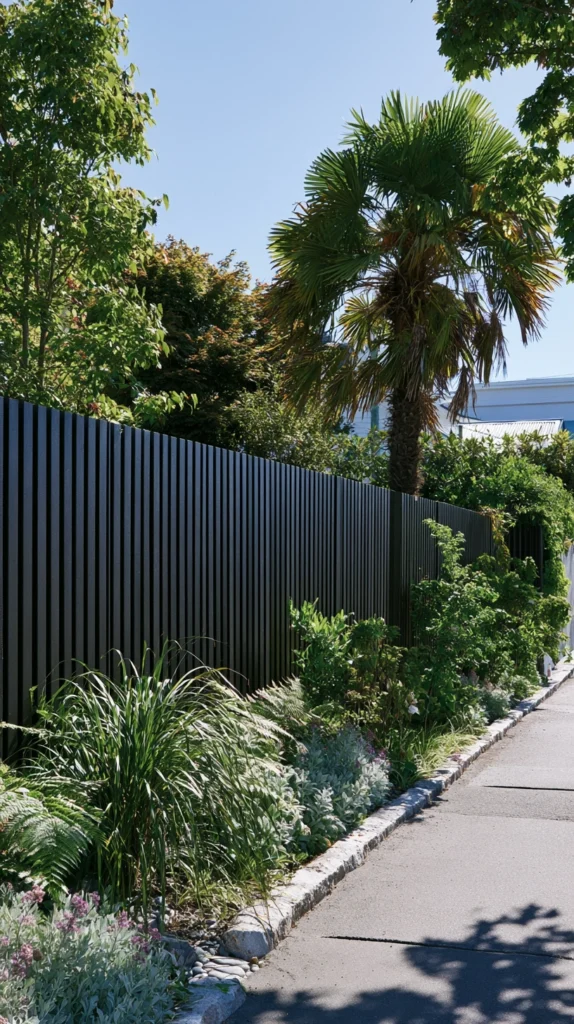
Budget: $0 – $80 (hire or purchase)
A pressure washer applied to every hard surface in the backyard — paving, paths, decking, walls, and fences — produces one of the most dramatic visual transformations available for a garden that has accumulated several seasons of organic growth, green algae, and general weathering. The immediate before-and-after contrast of a power-washed surface is striking enough that many people mistake the result for a new material installation rather than a cleaned existing one.
A basic electric pressure washer costs $60–$150 to purchase or $30–$50 per day to hire. Apply to all paving, concrete, decking, and rendered wall surfaces with a consistent sweeping motion at a 30-degree angle to the surface — directly perpendicular blasting dislodges pointing mortar from between paving units. Allow all surfaces to dry completely before assessing the result — wet surfaces retain a slightly discoloured appearance that disappears entirely once dry to reveal the full impact of the cleaning.
Makeover tip: Apply a paving sealant to cleaned stone or porcelain paving immediately after pressure washing and before any re-soiling occurs — a sealed surface repels organic growth significantly more effectively than an unsealed one and extends the clean, fresh appearance of the power-washed paving from one season to two or three before the next cleaning session is needed. Paving sealant costs $15–$30 per litre and covers approximately 5–8 square metres per litre on an absorbent natural stone surface.
12. Add Climbing Plants to Every Fence
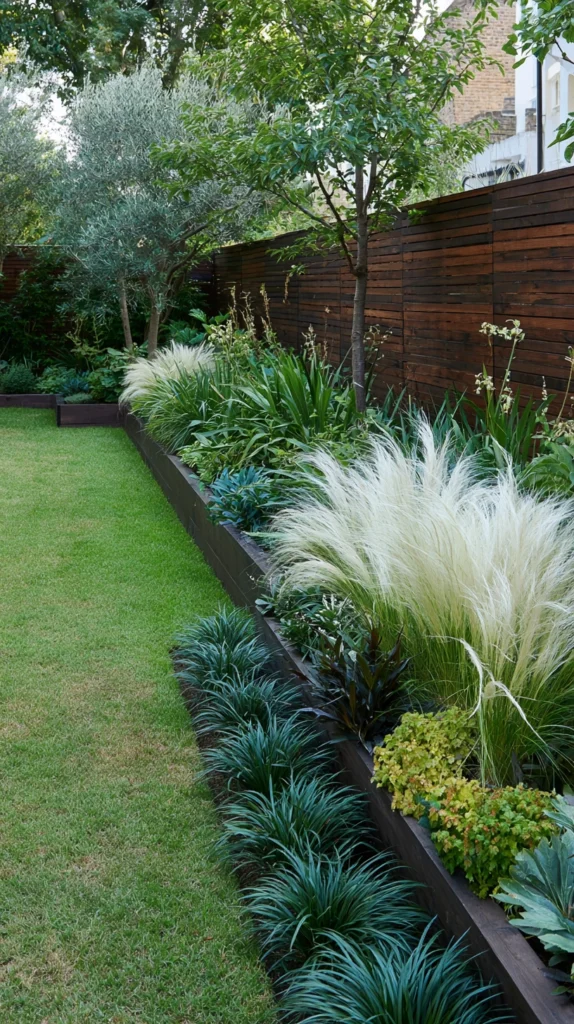
Budget: $30 – $100
Planting a climbing plant at the base of every fence panel — with horizontal wire supports fixed at 30–40 cm intervals — converts the boundary from a bare surface into a planted one without consuming any ground space from the garden interior. In a small backyard where the fence surface area may exceed the total planting area at ground level, this is the most productive use of available growing space and the most visually transformative use of the fence boundary.
Vine eyes for the wire support system cost $0.30–$0.50 each. Galvanised wire costs $5–$10 per 20-metre reel. A fast-growing climber — Clematis montana ($10–$20), passionflower ($8–$18), or climbing hydrangea ($15–$30 for a north-facing fence) — costs $10–$30 per plant. The complete installation for one fence panel — vine eyes, wire, and climber — costs $20–$45 and produces coverage within two to three growing seasons that transforms the boundary from a barrier into a planted garden wall.
Makeover tip: Fix the wire supports 5 cm away from the fence surface using spacer-mounted vine eyes rather than flush against it. The 5 cm gap between the wire and the fence surface allows climbing plant stems to twine naturally through and behind the wire rather than simply leaning against it, creates air circulation behind the planting that significantly reduces fungal disease in the enclosed fence microclimate, and allows the fence to be painted or maintained independently of the climbing plant without removing or disturbing the established plant.
13. Install Raised Timber Edging Around Borders
Budget: $30 – $100
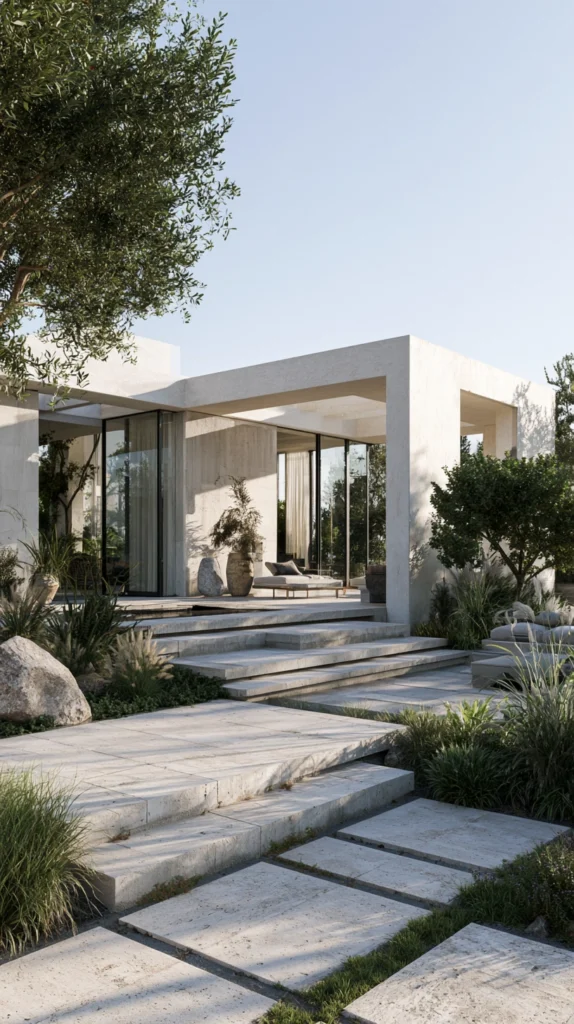
Low timber edging — railway sleeper offcuts, scaffold board lengths, or purpose-made garden edging boards — installed along the front edge of existing garden borders creates the impression of a raised bed without the cost or structural work of a full raised bed installation. The slight height difference between the edged border and the adjacent lawn or path creates a shadow line that makes the border appear deeper and more intentionally planted than the same border without the edging.
Scaffold board offcuts of 200×38 mm section cost $3–$8 per length and are available free or cheaply from building sites. A 3-metre border edge requires two lengths at $6–$16 in materials. Fix using timber stakes driven into the ground behind the board at 60 cm intervals ($2–$5 per stake). The timber edging raises the front lip of the border by 20 cm, creates a clean soil-to-lawn boundary, and retains mulch within the border that would otherwise wash or blow onto the lawn surface in wet and windy conditions.
Makeover tip: Immediately after installing timber border edging, apply a 5 cm layer of dark bark mulch or dark compost to the entire border surface. The dark mulch against the timber edging creates a clean, consistent border surface that makes every plant in the bed stand out clearly against a uniform background — the single most effective backdrop for displaying border planting that any garden surface provides at any cost.
14. Edit Ruthlessly — Remove Before You Add
Budget: $0
The most transformative and least expensive backyard makeover available requires no materials, no tools, and no weekend work beyond a clear-eyed decision about what to remove. A backyard that is edited of everything that is broken, dying, duplicated, misplaced, or simply not good enough reveals the quality of what remains more effectively than any addition can — and the space created by the removal is more valuable than any object that could fill it. Editing is always cheaper than adding, and in most backyards it is considerably more effective.
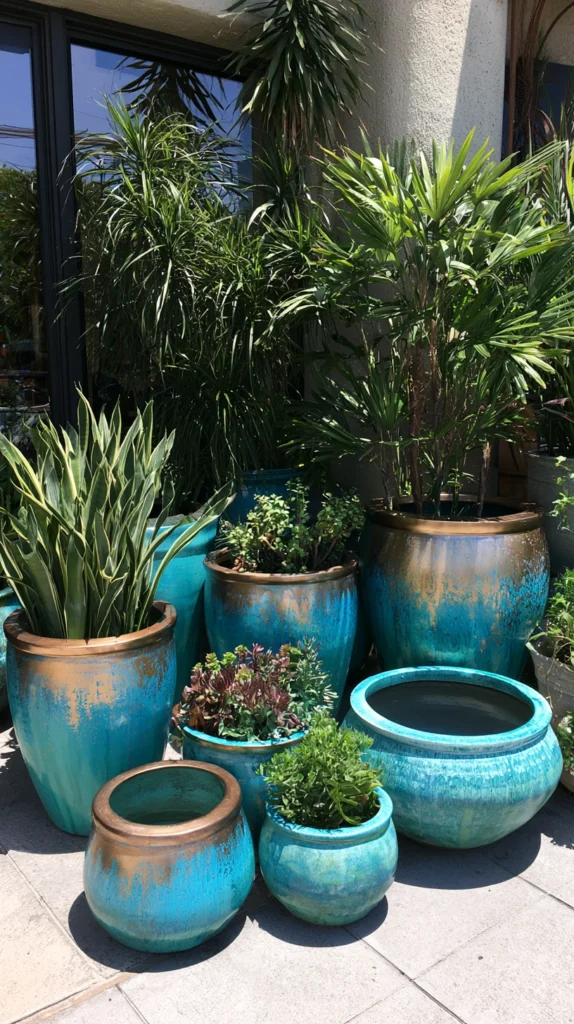
Remove: every pot that has been sitting empty for more than one season. Every piece of garden furniture that is broken, mismatched without intention, or positioned without clear purpose. Every tool, toy, or object that has migrated into the garden and never migrated back out. Every plant that is dead, diseased, or simply never good enough for the position it occupies. What remains after this editing is the garden’s actual quality — the baseline from which every investment in new material delivers a measurably higher return than the same investment made into a cluttered, un-edited space.
Makeover tip: Edit in stages rather than all at once — remove the most obvious candidates first and live with the result for a week before the next round. Objects that seemed obviously removable on the first pass sometimes reveal their value once surrounding clutter is gone. Objects that seemed borderline on the first pass often become obviously removable on the second. The staged edit produces a more considered and more consistently correct result than a single drastic clearance and costs exactly the same amount of nothing to perform.
The backyard makeover that looks expensive is always the one where the money was spent on the right decisions rather than on the most things. A painted fence, a matching set of pots, clean edges, and one good focal point will consistently outperform three times the expenditure spread across additions that lack the design coherence those four decisions provide together. The principle is always the same: decide clearly, execute well, and stop before the space becomes too busy to breathe.
Choose the two or three ideas from this list that address the most obvious shortcomings of the backyard you currently have. Do those this weekend. Assess what they reveal and let that assessment tell you what to do next. The makeover that arrives in stages, with each stage informing the next, always produces a better garden than the one planned entirely in advance and executed all at once without the feedback of the real space revealing what it actually needs.