How to Set a Thanksgiving Table on a Budget
The year I hosted Thanksgiving for the first time, I nearly maxed out a credit card on table decor alone before a single dish had even been cooked.
New dinnerware, a matching runner, fresh florals, place card holders, the whole set. It added up to almost $300 before I stopped and actually looked at the receipt.
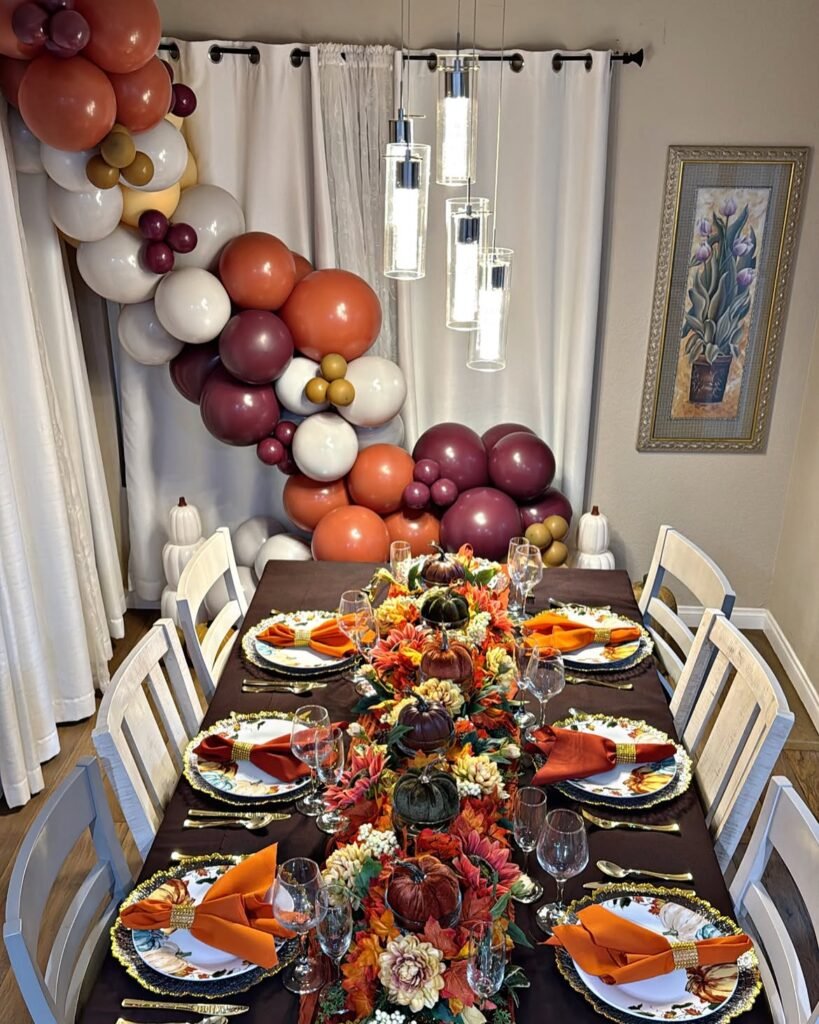
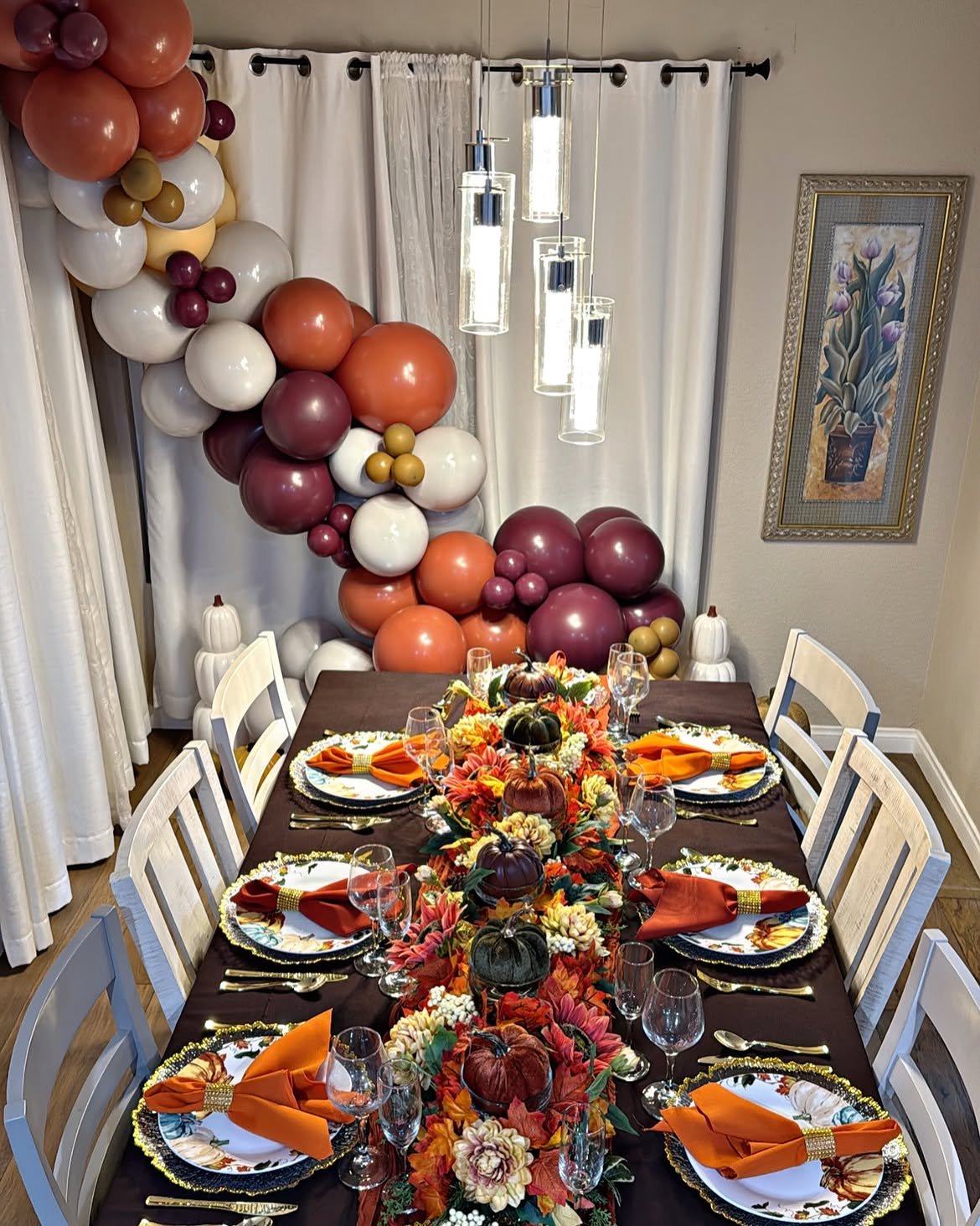
The next year, with a newborn and a much tighter budget, I had to figure out how to set a table that still looked intentional for under $50 total.
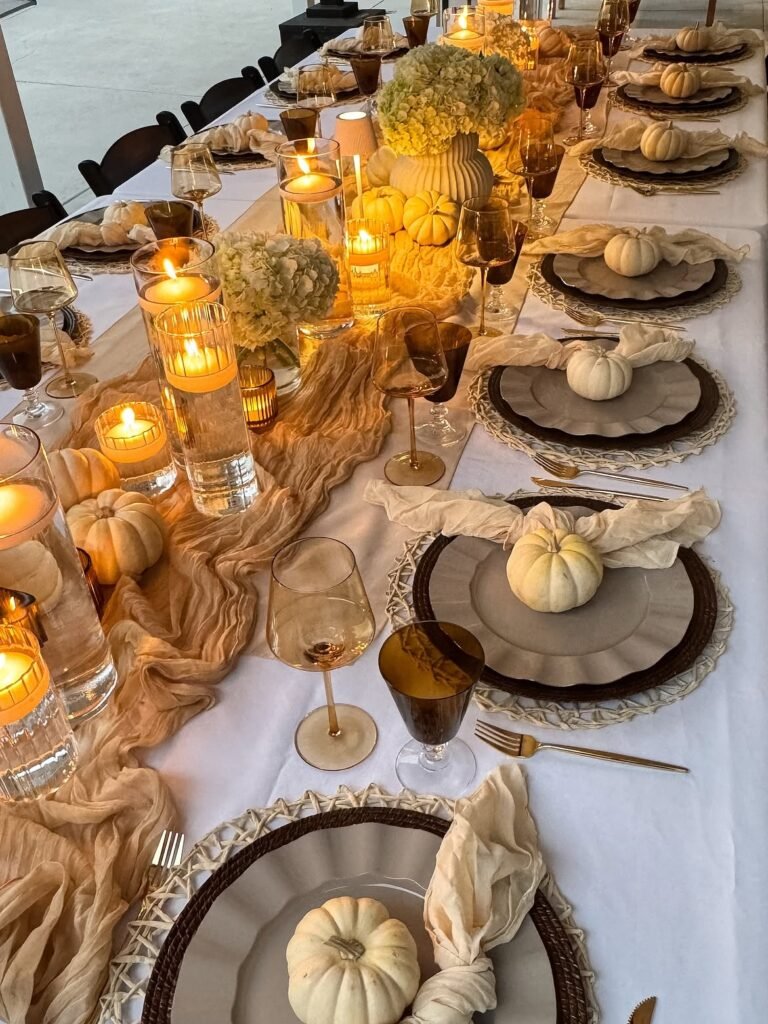
That table ended up getting more compliments than the expensive one the year before, which taught me that a good Thanksgiving table has almost nothing to do with how much gets spent on it.
Here are 12 practical strategies for setting a table that looks pulled together without the spending that usually comes with it.
Why Thanksgiving Tables Get Expensive Without Needing To
Understanding where the cost actually comes from makes it much easier to avoid overspending in the first place.
- Seasonal decor gets marketed heavily every fall, creating pressure to buy new items even when perfectly usable pieces already exist at home
- Matching sets, like a full new dinnerware collection, cost significantly more than mixing pieces already owned or sourced secondhand
- Fresh floral centerpieces are one of the single most expensive line items, often costing more than the rest of the table combined
- One-time-use items, like disposable place card holders or paper decor, get thrown away and repurchased every single year instead of being reusable
- Last-minute shopping, done the week of the holiday, almost always costs more than planning and sourcing pieces gradually over several weeks
Keeping these cost drivers in mind while working through the strategies below is what actually keeps the total spend low, not just cutting corners on any single item.
1. Shop Your Own Home Before Buying Anything New
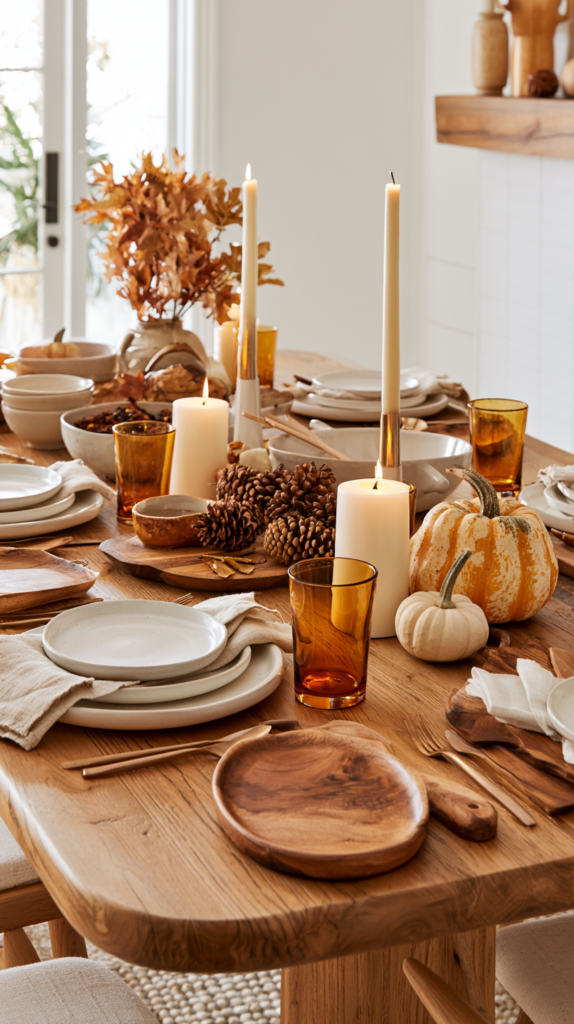
The single biggest budget-saving step is a genuine inventory of what you already own before any shopping happens at all.
How it comes together:
- Walk through your kitchen, dining room, and any storage areas, pulling out anything that could work on a Thanksgiving table, even items not originally purchased for this purpose
- Look specifically for neutral or warm-toned pieces, like cream dinnerware, brown or amber glassware, and any wood or ceramic serving pieces
- Check seasonal decor boxes from previous years for anything reusable, even if it was originally purchased for a different fall holiday
- Lay everything out together before deciding what’s actually missing, since seeing it all at once often reveals you have more usable pieces than expected
Why it matters:
- Most homes already contain enough neutral, warm-toned items to build most of a Thanksgiving table without a single new purchase
- This step prevents redundant purchases, which is one of the most common ways holiday table budgets balloon unnecessarily
Budget impact: $0, and often the single largest source of savings in this entire process
2. Use What’s Already Growing Outside as Your Centerpiece Base
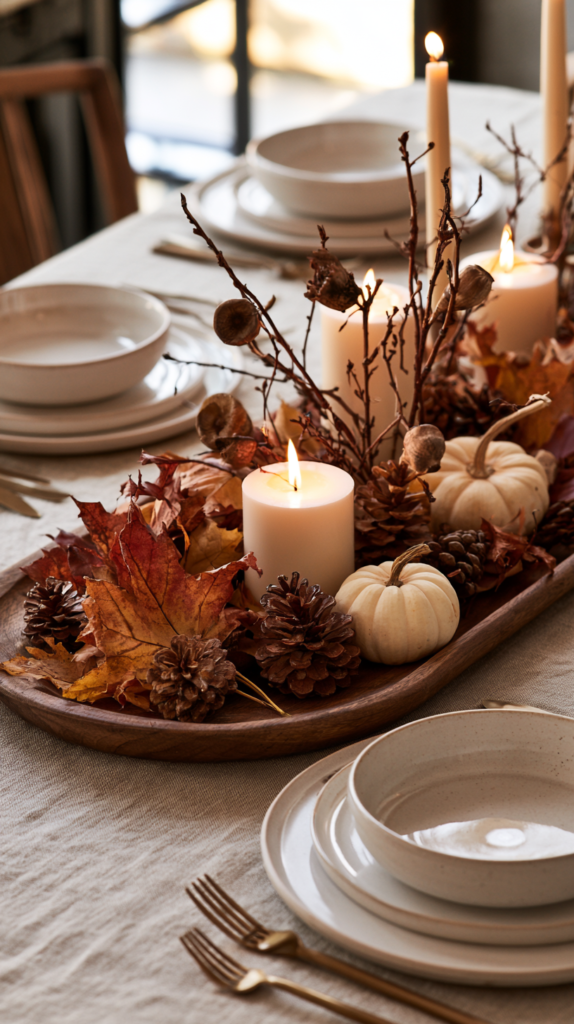
Fresh floral arrangements are consistently one of the most expensive parts of a Thanksgiving table, and nature often provides a free alternative depending on your climate and yard.
How it comes together:
- Gather fallen leaves, pinecones, small branches, or seed pods from your own yard or a nearby park
- Look for any late-season plants still holding color, like ornamental grasses or the last of a garden’s foliage
- Combine gathered natural material with a few items already owned, like a bowl or tray, to create a low, simple centerpiece
- Arrange loosely rather than densely, since natural, foraged material often looks best with a relaxed, unfussy styling approach
Why it matters:
- A foraged centerpiece costs nothing beyond the time spent gathering material, compared to $30 to $60 for even a modest fresh floral arrangement
- This approach also tends to look more genuinely seasonal than a purchased arrangement, since it reflects what’s actually happening outside during that specific week
Budget impact: $0 in most climates, though a pair of scissors or pruning shears may be useful if not already on hand
3. Mix Mismatched Dinnerware Intentionally Instead of Buying a New Set
A full matching dinnerware set is one of the most expensive individual purchases for holiday table setting, and mismatched pieces styled with intention can look just as finished.
How it comes together:
- Pull dinnerware from your everyday set, any special occasion pieces you already own, and even mismatched pieces from different sets
- Group by a shared color family, like all cream and brown tones, rather than trying to match patterns exactly
- Use a consistent element, like the same charger plate or same napkin color, underneath varied dinnerware to visually tie everything together
- Consider borrowing a few extra place settings from a family member or friend if your own collection doesn’t quite cover your guest count
Why it matters:
- A new eight-place dinnerware set typically costs $60 to $150, while mismatched pieces already on hand cost nothing beyond a bit of styling effort
- The unifying element, like a shared charger or napkin color, is what makes mismatched pieces read as an intentional design choice rather than an oversight
Budget impact: $0–$15 if a few coordinating chargers or napkins need to be purchased
4. Make Cloth Napkins From Fabric Scraps or Thrifted Textiles
Cloth napkins elevate a table significantly compared to paper, and they don’t require purchasing a full new set at retail prices.
How it comes together:
- Source fabric remnants, an old tablecloth no longer in use, or inexpensive fabric from a thrift store
- Cut into simple squares, roughly 18 inches per side, and hem the edges with a basic sewing machine or even fabric glue if sewing isn’t an option
- Choose a warm, neutral fabric tone that works across multiple future uses, not just this specific Thanksgiving
- Wash and press napkins before the event, since fabric straight from storage or a thrift purchase often needs a fresh press to look intentional
Why it matters:
- A set of eight purchased cloth napkins typically runs $20 to $40, while thrifted fabric for the same quantity often costs under $10 total
- Cloth napkins, once made, are reusable for years, making this a one-time cost rather than a recurring annual purchase
Budget impact: $5–$15 for fabric if not already on hand
5. Use Candles You Already Own Instead of Buying New Seasonal Ones
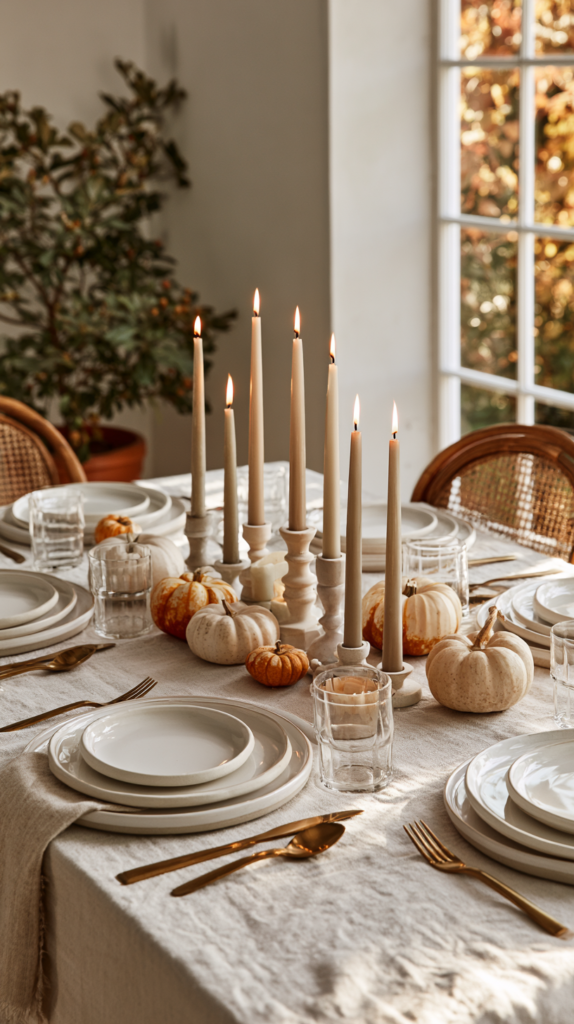
Candles add warmth and ambiance to a Thanksgiving table, and existing candles in neutral tones work just as well as new seasonally packaged ones.
How it comes together:
- Gather any candles already in your home, regardless of original scent or occasion, prioritizing neutral or warm-toned colors
- Group candles of varying heights together rather than spacing single candles evenly across the table
- Skip strongly scented candles specifically for the dinner table, since scent can compete with the meal regardless of whether the candle is new or already owned
- Supplement with a few inexpensive unscented taper or votive candles if your existing collection doesn’t provide enough visual height variation
Why it matters:
- Seasonally packaged candles, especially those marketed specifically for Thanksgiving, often carry a price premium over plain, unscented alternatives
- Height variation, not the specific candle brand or scent, is what actually creates visual interest on the table
Budget impact: $0–$10 if a few basic unscented candles need to be added to an existing collection
6. Create Place Cards From Materials You Already Have
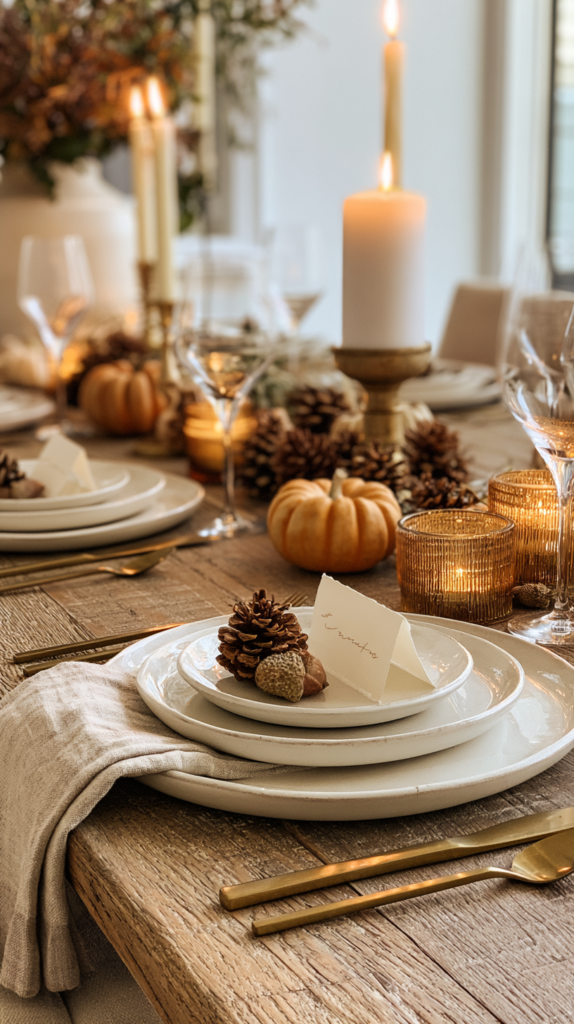
Place cards add a personal, finished touch without requiring a purchased place card holder set.
How it comes together:
- Use small pieces of cardstock or even sturdy paper cut into simple rectangles or leaf shapes
- Write names directly on the paper with a nice pen, or print names if you have access to a printer, rather than purchasing pre-made cards
- Rest cards directly against a plate, tucked into a folded napkin, or leaned against a small piece of fruit instead of purchasing a dedicated holder
- Consider using a small found natural item, like a acorn or small pinecone, as a simple, free place card holder alternative
Why it matters:
- Purchased place card sets with holders typically run $15 to $30 for a full table, while homemade versions cost only the price of basic paper already likely on hand
- This detail adds a noticeably personal touch that a purchased set often lacks entirely
Budget impact: $0–$5 depending on whether cardstock needs to be purchased
7. Build a Runner From Fabric Instead of Purchasing a Table Runner
A table runner adds visual structure to the table, and a simple fabric runner costs a fraction of a purchased seasonal one.
How it comes together:
- Source a length of inexpensive fabric, either from a thrift store, fabric remnant bin, or an old tablecloth repurposed for this specific use
- Measure your table length and cut fabric with a few extra inches of overhang on each end
- Hem the edges simply, or leave a raw edge if the fabric type suits a more relaxed, rustic look
- Choose a neutral or warm-toned fabric that can be reused in future years or repurposed for other occasions
Why it matters:
- A purchased seasonal table runner typically costs $15 to $35, while fabric remnants for the same purpose often cost under $10
- A runner made from reusable fabric avoids the annual cost of repurchasing a seasonal item that only gets used once a year
Budget impact: $5–$10 for fabric if not already on hand
8. Repurpose Everyday Glassware Instead of Buying Specialty Pieces
Specialty stemware and seasonal glassware add cost without adding much practical benefit over glassware already in most kitchens.
How it comes together:
- Use your everyday drinking glasses and wine glasses rather than purchasing a specialty seasonal set
- Mix glass styles intentionally if your existing collection isn’t a perfectly matched set, similar to the mismatched dinnerware approach
- Add a simple ribbon or twine tie around the stem of wine glasses for a small decorative touch without any real added cost
- Borrow additional glassware from a neighbor or family member if your own collection doesn’t cover the full guest count
Why it matters:
- Specialty holiday glassware sets often cost $30 to $60 for a full table setting, while everyday glassware already on hand costs nothing additional
- Guests rarely notice or care whether glassware matches perfectly, especially once the table is fully styled with other coordinating elements
Budget impact: $0–$5 for ribbon or twine accents if desired
9. Use a Thrifted or Borrowed Tablecloth Instead of Purchasing New Linens
Table linens are one of the higher-cost individual items on a Thanksgiving table, and secondhand or borrowed options work just as well as new purchases.
How it comes together:
- Check thrift stores specifically for tablecloths in neutral or warm tones, which are often available for a fraction of retail price
- Ask family members if they have a tablecloth sitting unused that could be borrowed for the occasion
- Consider using a large flat bed sheet in a neutral tone as an improvised tablecloth if a proper one isn’t available
- Iron or steam any thrifted or borrowed linen ahead of time, since wrinkled fabric is one of the fastest ways a budget-conscious table can look unintentional rather than styled
Why it matters:
- New tablecloths, especially seasonal ones, often run $25 to $50, while thrifted versions typically cost $5 to $15
- A properly pressed, clean tablecloth does most of the visual heavy lifting for the entire table’s foundation
Budget impact: $5–$15 if a thrifted option is purchased rather than borrowed
10. Create Height Variation With Items Already in Your Home
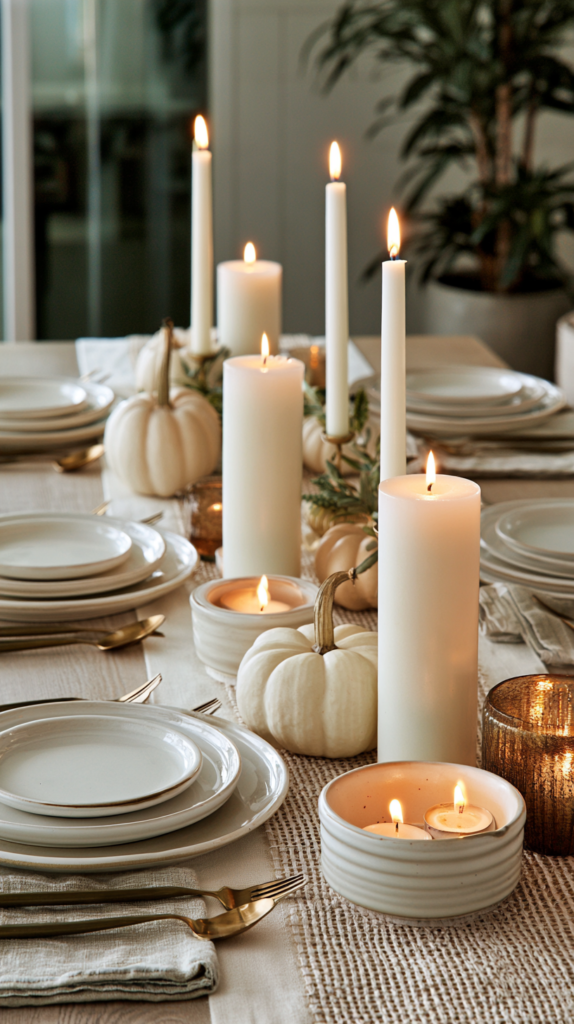
Height variation across a table creates visual interest, and this doesn’t require purchasing dedicated risers or stands.
How it comes together:
- Use overturned bowls, small boxes, or books hidden under a decorative cloth as makeshift risers for candles or small decor pieces
- Vary the heights of whatever pitchers, vases, or containers you already own rather than using uniform-height vessels
- Place taller items toward the ends of the table and shorter items toward the center, so sightlines stay open for guest conversation
- Test the arrangement by sitting at the table yourself before finalizing placement, checking that height variation doesn’t block anyone’s view across the table
Why it matters:
- Purchased riser sets specifically marketed for tablescaping can cost $20 to $40, while household items achieve the same visual effect for free
- Height variation is one of the most impactful styling techniques relative to its actual cost, making it worth prioritizing even on a tight budget
Budget impact: $0
11. Involve Family in Contributing Pieces Instead of Buying Everything Yourself
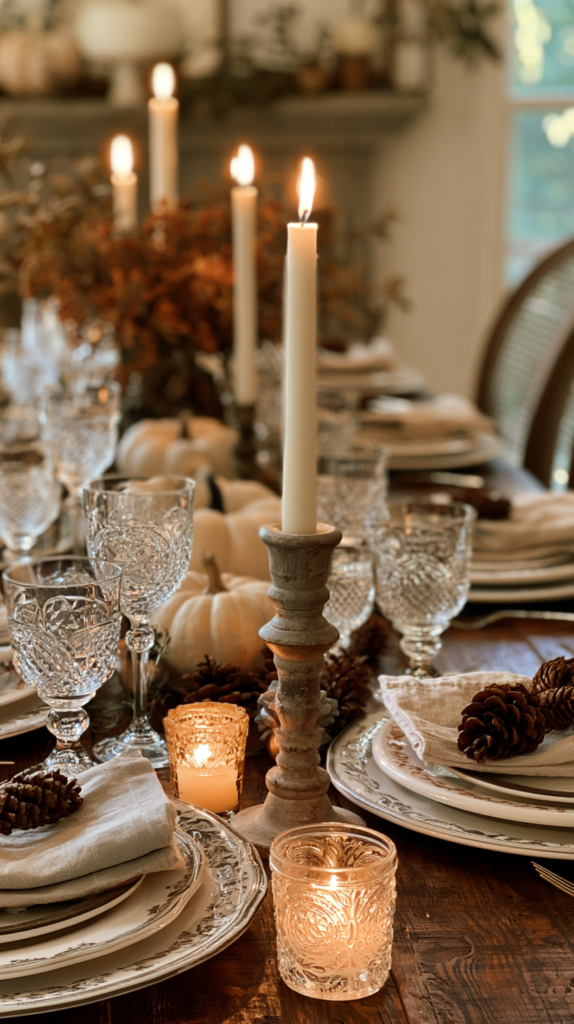
Hosting doesn’t have to mean sourcing every single table element independently, and asking family to contribute pieces spreads out both cost and effort.
How it comes together:
- Ask a family member with a green thumb to bring a few cuttings or potted plants from their own garden
- Request that a relative with a nice set of napkins or extra glassware bring theirs to supplement your own collection
- Assign one guest to bring a specific small decorative item, like a few candles or a runner, rather than asking for cash contributions toward the meal itself
- Frame these requests as collaborative rather than as a way to offload cost, since most family members are happy to contribute something small toward a shared gathering
Why it matters:
- Spreading small contributions across several people significantly reduces what any single person, particularly the host, needs to source or purchase alone
- This approach often results in a more personal, collected table than one entirely sourced and styled by a single person working with a tight budget alone
Budget impact: $0 in direct cost, though it requires some advance coordination with guests
12. Store and Label Everything for Reuse Next Year
The next-to-last budget strategy isn’t about this year’s table at all, but about ensuring next year’s setup costs even less than this one did.
How it comes together:
- Store reusable items, like cloth napkins, the fabric runner, and any candles, in a single labeled bin specifically for Thanksgiving table decor
- Note what worked well and what felt like it was missing in a simple list or phone note, so next year’s planning starts with real information rather than starting from scratch
- Photograph the finished table before the meal begins, giving yourself a visual reference for what to recreate or adjust next year
- Avoid packing away disposable or single-use items that won’t hold up for a second use, keeping the storage bin focused on genuinely reusable pieces
Why it matters:
- A table built primarily from reusable pieces this year becomes a table that costs close to nothing to recreate next year, compounding the savings annually
- This step is what turns a single year of budget-conscious effort into an ongoing, low-cost tradition rather than a one-time scramble that gets repeated every fall
Budget impact: $5–$15 for a storage bin if one isn’t already available
13. Time Any Necessary Purchases Around Post-Halloween Clearance
For the handful of items genuinely worth purchasing new, timing the purchase strategically can cut the cost significantly compared to shopping at full seasonal price.
How it comes together:
- Watch for clearance pricing on fall-toned decor items in early November, once Halloween-specific stock gets marked down and stores begin transitioning inventory
- Shop general fall and autumn-toned items rather than anything explicitly branded for Thanksgiving specifically, since generic autumn decor tends to be discounted more aggressively and holds up for reuse in general fall styling beyond just this one holiday
- Compare a few different retailers rather than purchasing from the first store visited, since clearance timing and discount depth vary noticeably between chains
- Buy slightly more than needed of genuinely reusable items, like plain taper candles, when they’re heavily discounted, since these hold value for future years regardless of the specific holiday
Why it matters:
- Waiting even one to two weeks into November before making necessary purchases can result in savings of thirty to fifty percent on remaining seasonal stock
- Choosing generic autumn items over Thanksgiving-specific branding also means the pieces remain useful for general fall decorating in future years, not just this one holiday
Budget impact: Often reduces necessary new purchases by close to half compared to earlier-season full retail pricing
14. Set a Firm Budget Number Before Any Shopping Begins
The final and arguably most important strategy is simply deciding on a total dollar amount before starting any part of this process, rather than letting the number grow item by item.
How it comes together:
- Decide on a total table decor budget separate from your food budget, based on what actually feels comfortable rather than what similar tables online seem to cost
- Break that total down loosely by category, like linens, centerpiece materials, and any small purchased accents, before shopping
- Track spending as you go, even informally on a phone note, so small purchases don’t quietly add up past the original number
- Give yourself permission to stop once the essential layers are covered, rather than continuing to add small purchases simply because they’re inexpensive individually
Why it matters:
- Most holiday table overspending happens gradually, through several small purchases that each felt reasonable individually but added up well past any original intention
- A firm number decided in advance, before browsing any stores in person, tends to hold far better than trying to stay disciplined once seasonal displays are directly in front of you
Budget impact: $0, though this step is what actually protects every other savings strategy on this list from being undone by small, unplanned add-on purchases
A Sample Budget Breakdown for a Full Table
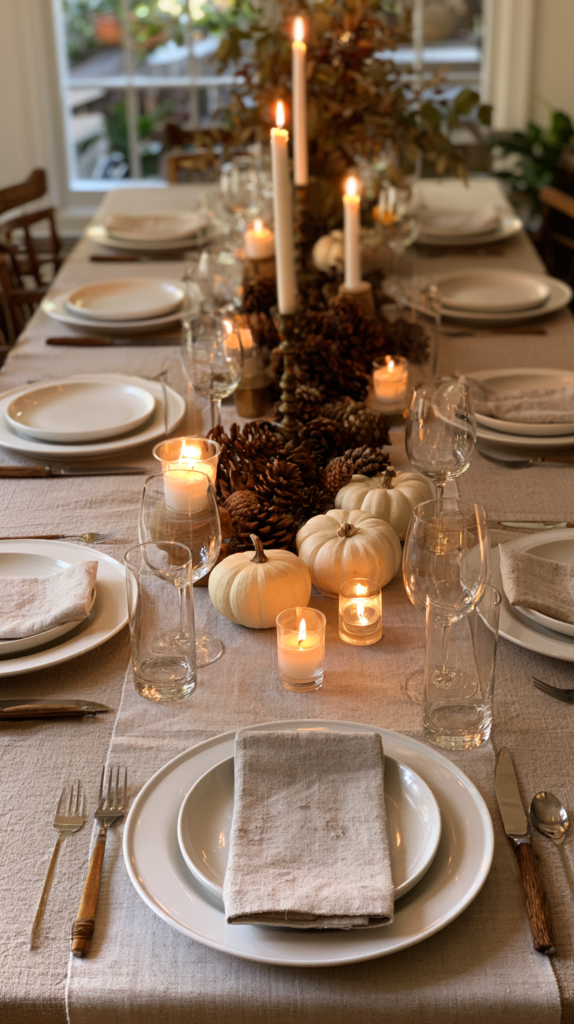
Putting these strategies together, here’s roughly what a full budget-conscious Thanksgiving table for eight guests might actually cost.
- Foraged centerpiece material: $0
- Mismatched dinnerware already owned: $0
- Thrifted tablecloth: $8
- Fabric for cloth napkins: $10
- A few supplemental unscented candles: $8
- Cardstock for place cards: $3
- Fabric for a table runner: $8
That totals roughly $37 for a full table setting, compared to the nearly $300 spent on a fully new, purchased setup the first year I hosted.
What Actually Makes a Budget Table Look Intentional
A handful of small habits separate a table that reads as thoughtfully styled from one that simply looks like whatever was available got thrown together.
Consistency matters more than cost, since a table with one clear color palette running through every mismatched piece looks far more intentional than an expensive table with no unifying thread at all.
Pressed, clean linens make a bigger visual difference than almost any other single factor, regardless of whether that linen was purchased new or sourced secondhand.
Taking the time for a genuine test setup a day or two before the actual holiday, the same way it’s worth doing for any styled table, catches small adjustments that are much harder to notice while also trying to cook an entire Thanksgiving meal.
Guests also tend to notice warmth and effort far more than they notice individual price points. A table that feels genuinely put together, even from mismatched and secondhand pieces, reads as more welcoming than a perfectly matched but sterile-feeling one assembled purely from a single expensive purchase.
The table that got the most compliments in my own home wasn’t the expensive one. It was the one where every piece, however it was sourced, actually worked together toward the same warm, simple feeling.