15 Backyard Privacy Ideas That Still Look Beautiful
The living screen changed how I used my backyard more than any furniture purchase ever did. Not the new patio set. Not the string lights. Not the outdoor rug or the rearranged seating or the extra planters.
The screening.
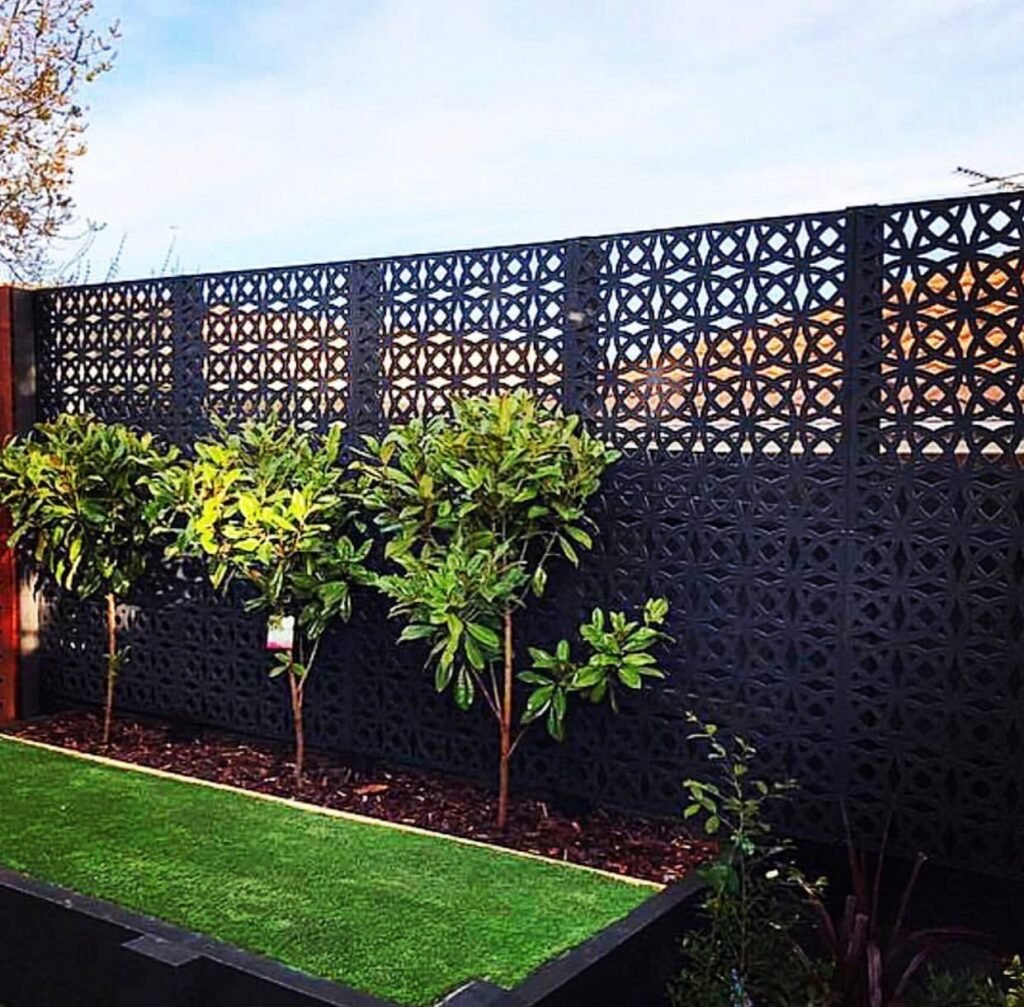
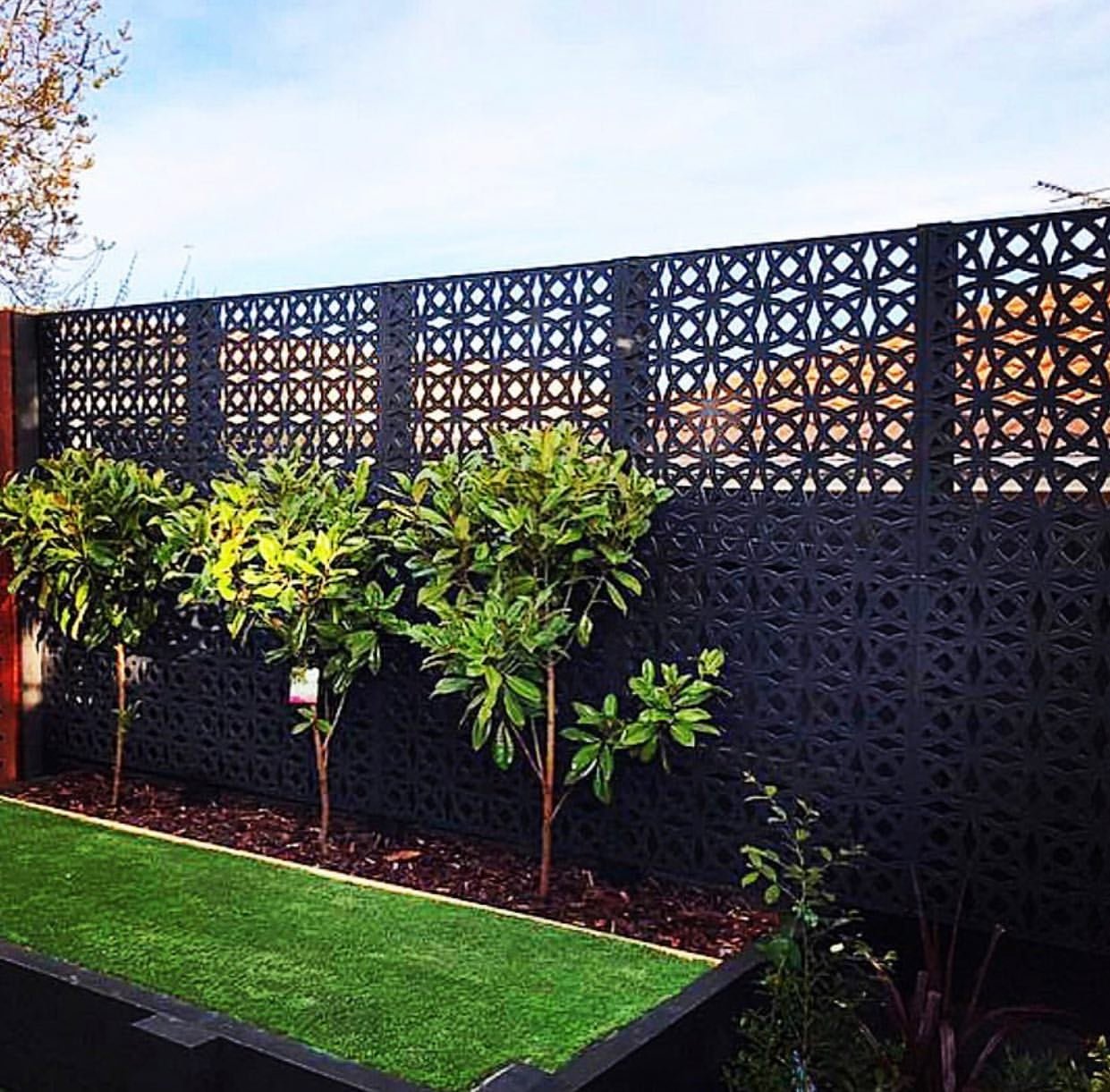
Because actual privacy did something no amount of furniture could. Before it: a backyard technically mine, but never quite private, every conversation and every lounge session slightly aware of the neighbor’s kitchen window. After it: a yard that felt genuinely separate from everything around it, the screening doing the quiet work of turning a shared, visible space into a real retreat.
Backyard privacy is not a fence built purely to block a view. It is a design opportunity, and the best privacy solutions add as much beauty to a yard as they add seclusion. A living hedge, a slatted screen, a pergola with climbing vines — all solve the same problem a plain board fence solves, while also becoming one of the yard’s best features rather than its most utilitarian one.
Here are 15 backyard privacy ideas that still look beautiful — from the simplest single planting to the most fully integrated design — built on that understanding.
Why Privacy and Beauty Do Not Have to Compete
The plain fence problem
Without a considered approach:
A tall, solid board fence, effective at blocking sightlines but visually flat and often the least attractive feature in the yard.
The privacy: achieved, but at a real aesthetic cost.
With a considered approach:
Living screens, layered plantings, and architectural structures that block the same sightlines while actively improving the yard’s appearance.
The privacy: achieved, and the yard looks better for it, not worse.
The layering principle
Most successful backyard privacy comes from combining two or three techniques rather than relying on one tall barrier — a mid-height hedge paired with a pergola overhead, for instance, blocks more sightlines from more angles than either element alone.
The height and angle case
Privacy is not only about height. A neighbor’s second-story window often requires overhead screening, not just a taller fence, since sightlines from above pass over most standard fence heights entirely.
The living material advantage
Plants offer privacy that changes and improves over time, unlike a fence that only ages and wears. A hedge planted this year is more private next year, and more beautiful every year after that.
The Five Privacy Techniques
Before choosing any design:
Living hedges and screens
Dense shrubs or small trees planted in a row, growing into a solid green wall over time.
The most naturally beautiful option, and the slowest to establish.
Improves in both privacy and appearance year after year.
Vertical structures
Pergolas, trellises, and slatted screens, often paired with climbing plants.
Adds architectural interest immediately, with plants filling in over subsequent seasons.
Effective for overhead as well as side privacy.
Fencing with design intention
Horizontal slat fencing, mixed-material fencing, or a fence softened with plantings.
The most immediate, full-height privacy solution.
Worth the extra design consideration a plain board fence skips.
Container and raised screening
Tall planters holding bamboo, ornamental grasses, or small trees, positioned as movable or semi-permanent screens.
The most flexible option, suited to rentals or evolving layouts.
Effective for targeted, specific sightline problems rather than full-yard coverage.
Water and sound elements
Fountains or other water features, addressing auditory privacy rather than visual.
Does not block a sightline, but reduces the sense of being overheard.
Often paired with one of the other four techniques rather than used alone.
1. The Layered Mixed Hedge
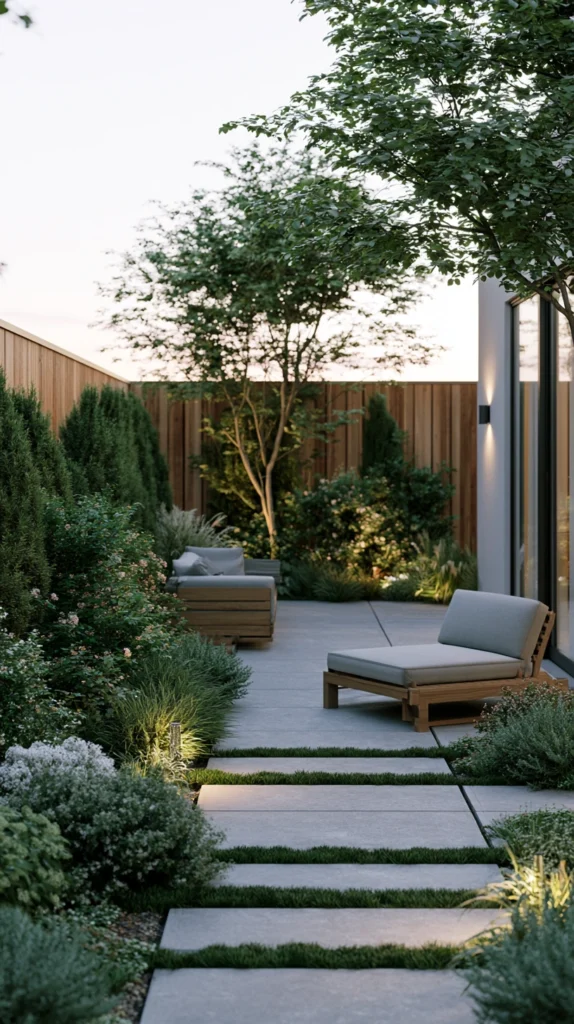
A hedge built from two or three different shrub varieties rather than a single repeated species, creating a fuller, more textured green screen than a uniform hedge alone.
Why mixing varieties outperforms a single-species hedge
A hedge of one plant type can look monotonous and is vulnerable to a single disease or pest wiping out the entire screen at once. A mixed hedge offers more visual interest and more resilience, while still reading as one cohesive green wall from a distance.
The plant selection
A dense evergreen base — boxwood, arborvitae, or holly — mixed with a flowering or textured variety such as viburnum or ninebark, planted in an alternating or clustered pattern.
The height planning
Chosen and planted with the mature height already in mind, since a hedge takes several years to reach full privacy coverage and the wrong initial spacing compounds that wait.
The layering
A taller variety toward the back of the planting bed, a slightly shorter one toward the front, creating depth rather than a single flat wall of green.
The maintenance
Regular pruning shapes a mixed hedge into a cohesive form even with different growth habits among the varieties, worth planning for from the first pruning season rather than after growth has become unruly.
The seasonal interest
A flowering variety within the mix provides a seasonal bloom the evergreen backbone alone would not offer, adding beauty beyond pure screening function.
Cost breakdown: Hedge plants (mixed varieties, 8–12): $150–400 Soil amendment and mulch: $30–60 Total: $180–460
2. The Pergola With Climbing Vines
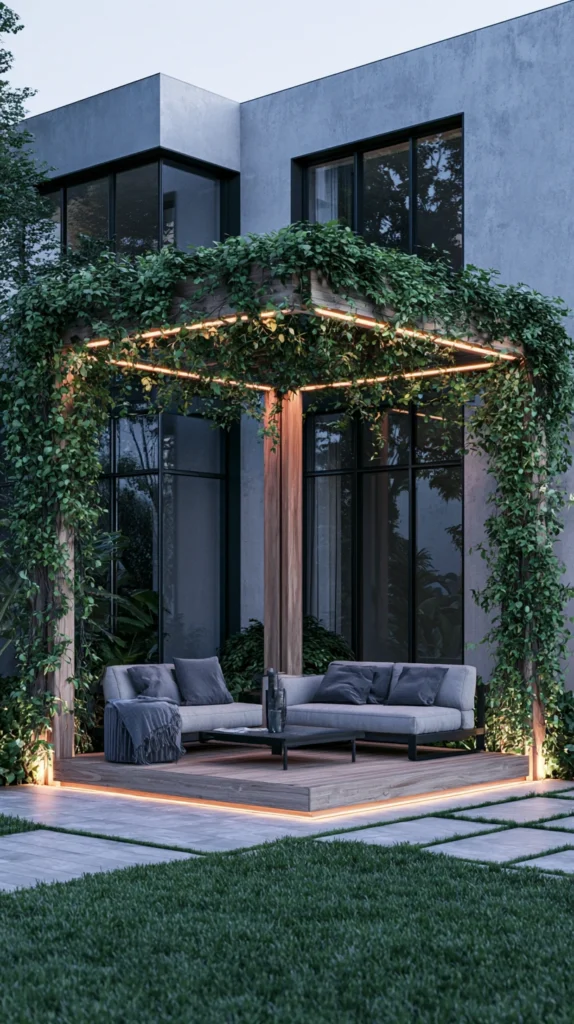
An overhead pergola structure, planted with climbing vines that fill in over one or two seasons to create dappled overhead and partial side privacy.
Why overhead structures address a sightline fences cannot
A standard fence, however tall, does nothing to block a view from a neighboring second story or an elevated deck. A pergola with climbing coverage creates a genuine overhead canopy, addressing sightlines a vertical fence alone cannot reach.
The structure
A wood or metal pergola frame, sized to cover the yard’s main seating or lounging area, positioned to block the specific elevated sightline causing the concern.
The climbing plants
Wisteria, climbing hydrangea, or grapevine, chosen for both density of coverage and the specific aesthetic each brings — wisteria for dramatic spring bloom, grapevine for a more rustic, productive planting.
The fill-in time
Most climbing vines take one to three growing seasons to fully cover a pergola structure, worth planning for as a gradual transformation rather than an immediate solution.
The seasonal coverage gap
Deciduous vines lose their leaves in winter, reducing the overhead screening during colder months — worth pairing with an evergreen climbing option, such as certain clematis varieties, if year-round coverage matters.
The additional benefit
Beyond privacy, the structure provides genuine shade and a defined outdoor room, adding function well beyond the screening purpose alone.
Cost breakdown: Pergola structure: $800–2,500 Climbing vines (3–4): $60–150 Total: $860–2,650
3. The Horizontal Slat Privacy Fence
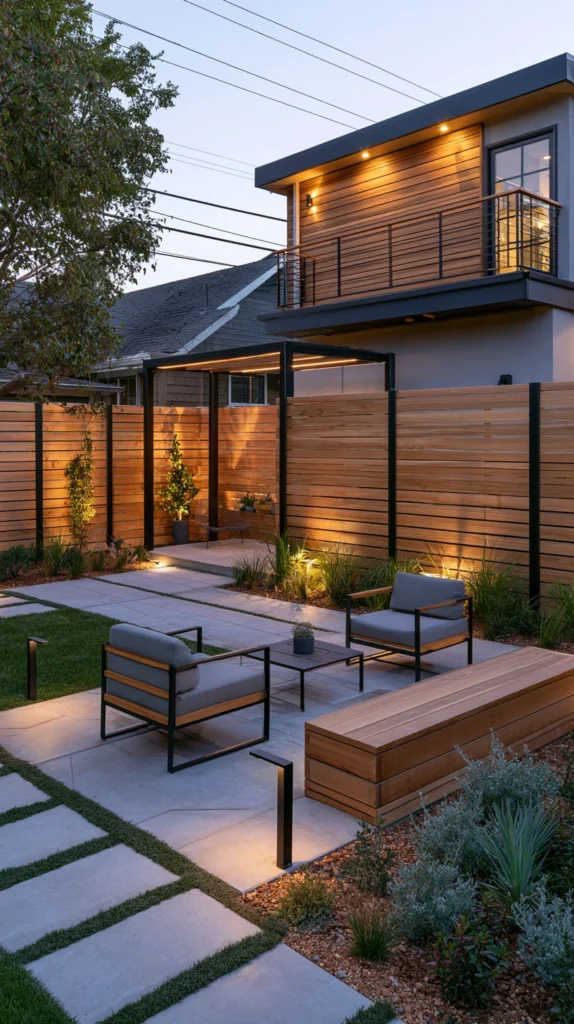
A fence built from horizontal wood slats with small gaps between them, offering a more contemporary and considered look than a standard vertical board fence.
Why horizontal slats read as more designed than a standard fence
Horizontal lines visually widen a space and read as more architectural and current than the vertical board fencing most commonly installed for simple privacy purposes.
The slat spacing
A small gap, often around half an inch, between each horizontal board, allowing some airflow and dappled light through while still blocking the vast majority of direct sightlines.
The wood choice
Cedar or another naturally weather-resistant wood, left to age into a natural silver-grey patina, or stained in a deep, deliberate tone rather than left to weather unevenly.
The height
Built to the maximum height allowed by local regulations for the specific yard’s zoning, since horizontal slat fencing depends on genuine height for full effectiveness.
The post design
Substantial, clean-lined posts, often capped, reinforcing the fence’s more architectural, considered appearance compared with a standard utilitarian fence.
The planting softening
A single row of tall grasses or a narrow perennial border planted along the fence’s base, softening the structure’s clean lines with organic texture.
Cost breakdown: Horizontal slat fence (professional installation): $2,500–6,000 Or DIY materials: $800–2,000 Base planting: $40–100 Total: $840–6,100 depending on approach
4. The Bamboo Screen Row
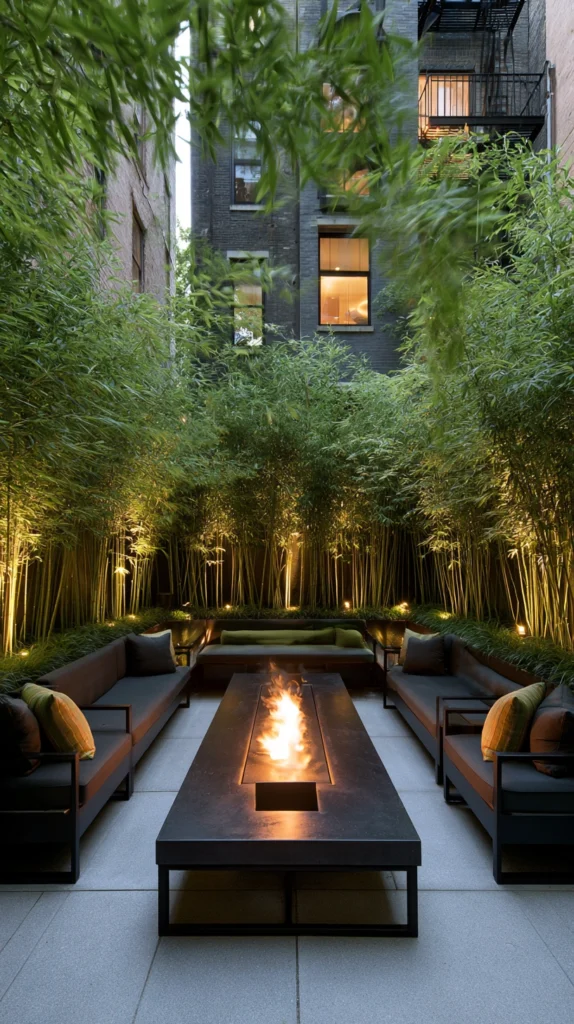
A row of clumping (non-invasive) bamboo, planted or containerized, providing dense, fast-growing screening with a distinctive textural quality.
Why bamboo offers some of the fastest privacy coverage available
Clumping bamboo can reach meaningful screening height within a single growing season, far faster than most traditional hedge shrubs, making it a strong choice where privacy is needed relatively quickly.
The variety selection
Clumping bamboo varieties specifically, never running bamboo, since running varieties spread aggressively via underground rhizomes and can become invasive, damaging property and neighboring yards alike.
The containment
Even clumping varieties benefit from a root barrier installed at planting time, providing an extra layer of control over the planting’s spread.
The container option
Large containers as an alternative to in-ground planting, both containing growth entirely and allowing the screen to be repositioned if the yard’s layout changes.
The visual quality
Tall, narrow culms with rustling leaves overhead create a distinctly different screening texture than a solid hedge, adding both sound (the leaves in wind) and movement to the privacy solution.
The winter performance
Many bamboo varieties remain evergreen through winter, providing year-round screening unlike deciduous hedge or vine options.
Cost breakdown: Clumping bamboo plants (6–8): $120–300 Root barrier: $40–90 Or large containers: $60–150 (in place of ground planting) Total: $160–390
5. The Lattice and Climbing Rose Combination
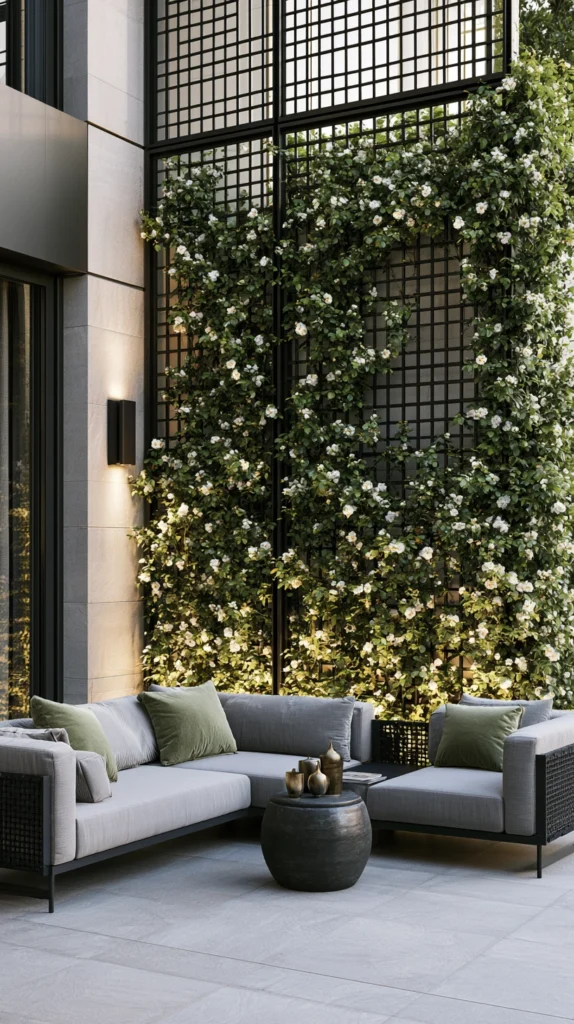
A wood or metal lattice panel, planted with climbing roses, combining an immediate structural screen with a a softening, flowering plant that fills in over subsequent seasons.
Why lattice provides structure while the roses provide beauty
The lattice itself offers partial privacy immediately upon installation, rather than waiting years for a planting alone to mature, while the climbing roses add color, fragrance, and increasing density over time.
The lattice
A sturdy wood or powder-coated metal lattice panel, sized to the specific area needing screening, mounted on posts or against an existing fence or wall.
The climbing roses
Repeat-blooming climbing varieties, chosen for color that complements the rest of the yard’s planting palette, trained onto the lattice with soft ties as they grow.
The immediate versus long-term effect
The lattice alone provides partial visual breaks immediately; full coverage from the roses typically takes two to three growing seasons to establish fully.
The maintenance
Regular tying-in of new growth and seasonal pruning, since climbing roses require more active management than a simple hedge to maintain both their form and their density against the lattice.
The fragrance benefit
Many climbing rose varieties offer genuine fragrance, adding a sensory dimension to the privacy solution beyond visual screening alone.
Cost breakdown: Lattice panels: $100–250 Climbing rose plants (3–4): $60–140 Total: $160–390
6. The Raised Planter Screen Wall
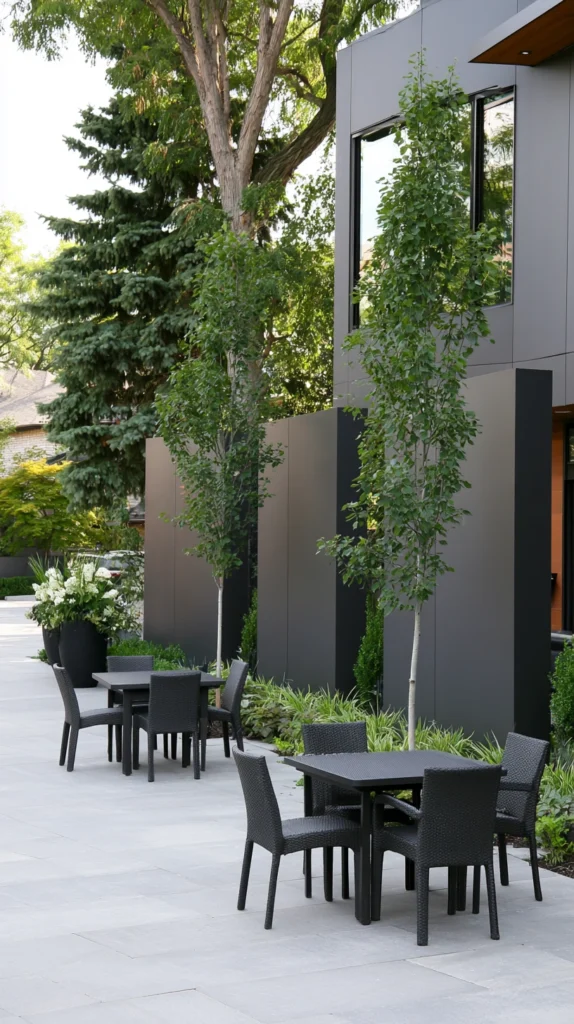
A row of tall, matching raised planters, filled with dense upright plants, used as a movable or semi-permanent screening wall along a patio or seating area’s edge.
Why raised planters suit a targeted rather than full-perimeter privacy need
Not every privacy concern requires screening the whole yard. A row of raised planters addresses one specific sightline — a patio facing a neighbor’s window, for instance — without the cost or commitment of screening the entire property.
The planters
Tall, matching containers, in wood, metal, or fiberglass, sized generously enough to support substantial root systems for genuinely effective screening plants.
The plant selection
Upright ornamental grasses, dwarf evergreens, or tall flowering perennials, chosen for a dense, upright growth habit suited to a container’s more limited root space compared with ground planting.
The arrangement
Planters positioned in a continuous row, close enough together that the planted growth reads as one unified screen rather than several separate potted plants.
The mobility advantage
Genuinely repositionable if the yard’s layout or the specific privacy need changes, unlike a permanent hedge or fence, making this a strong option for a rental property or an evolving landscape plan.
The seasonal adjustment
Plant selection swapped seasonally in colder climates if using tender plants, or left as an evergreen, year-round screen if hardier varieties are chosen.
Cost breakdown: Tall matching planters (5–6): $150–350 Screening plants: $80–180 Total: $230–530
7. The Vertical Garden Living Wall
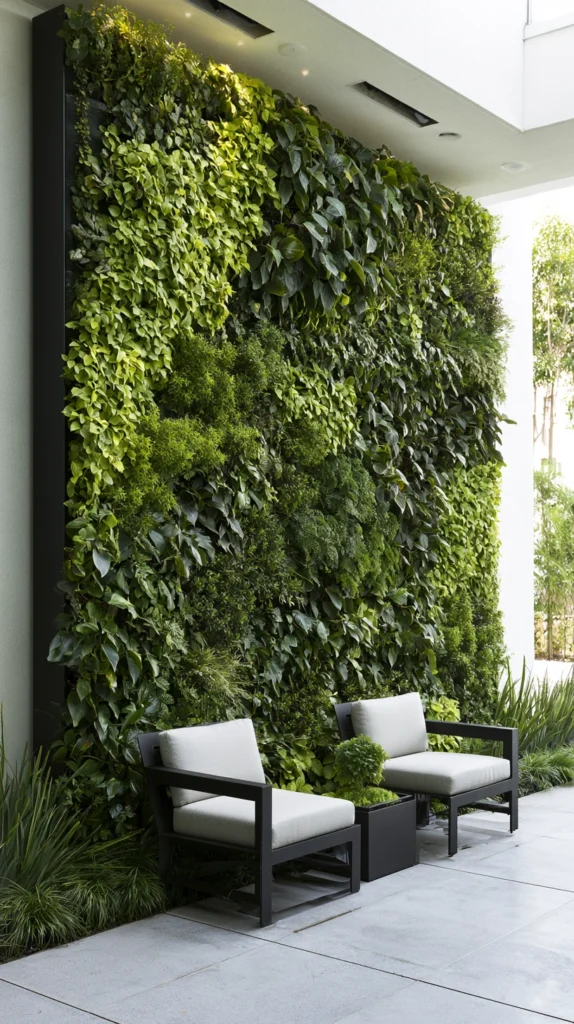
A structured vertical garden system, densely planted, mounted against an existing fence or wall to add both privacy and a striking green feature.
Why a living wall adds density a standard hedge cannot match as quickly
A vertical garden system achieves full plant density immediately upon installation, rather than waiting years for individual plants to grow together, since the plants are already installed at a mature, close-set spacing within the system itself.
The system
A modular vertical garden panel system, mounted against an existing solid fence or wall, providing both the growing structure and an integrated irrigation option.
The plant selection
A mix of trailing, upright, and flowering plants, chosen for their tolerance of the specific vertical growing conditions and the wall’s light exposure.
The irrigation
A drip irrigation system built into or added alongside the vertical structure, since hand-watering a full living wall by hand is significantly more time-consuming than watering ground-level plantings.
The existing structure requirement
Requires a solid existing fence or wall to mount against, making this an addition to existing screening rather than a standalone privacy solution on its own.
The visual impact
One of the most immediately striking options on this list, functioning as a genuine garden feature in its own right rather than a purely functional screen.
Cost breakdown: Vertical garden panel system: $200–500 Plants (dense planting): $100–250 Drip irrigation: $60–150 Total: $360–900
8. The Mixed-Material Fence With Planting Pockets
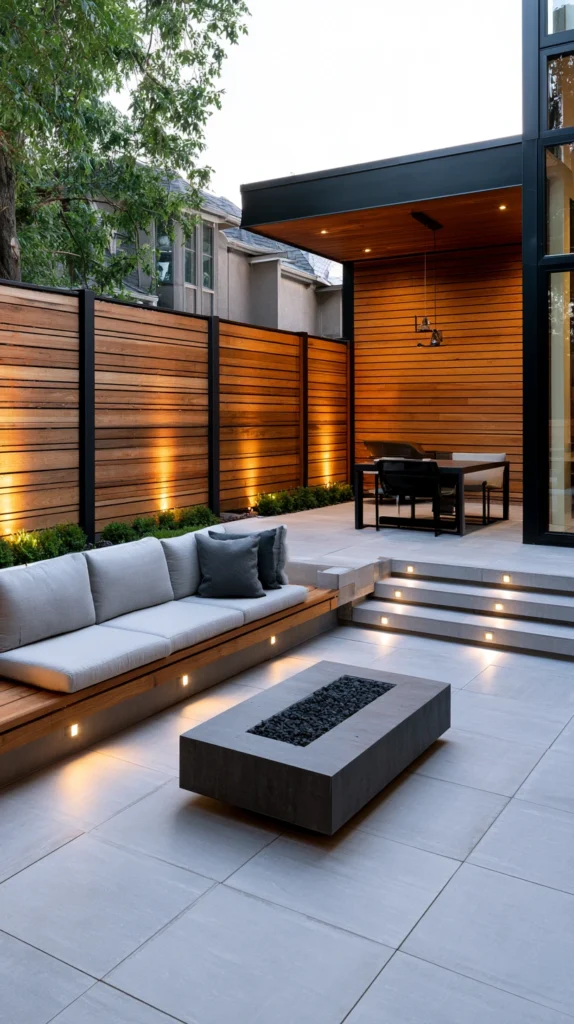
A fence combining solid and open sections — horizontal wood slats interspersed with built-in planter boxes — integrating screening and gardening into a single structure.
Why integrating planting into the fence itself saves both space and cost
Rather than building a fence and then adding separate planters in front of it, a fence with built-in planting pockets accomplishes both in one structure, particularly valuable in a smaller yard where every foot of ground matters.
The fence sections
Solid horizontal slat panels for the primary screening function, interspersed at intervals with built-in planter boxes integrated directly into the fence line.
The planter depth
A minimum of 10 to 12 inches of soil depth within each built-in pocket, adequate for smaller shrubs, trailing plants, or seasonal flowers without requiring excessive structural reinforcement.
The plant selection
Trailing or compact plants suited to the planter pockets’ more limited soil volume, softening the fence’s solid sections with organic texture and color.
The drainage
Proper drainage built into each planter pocket, directing water away from the fence’s structural wood to prevent premature rot at the planting points.
The overall rhythm
Solid and planted sections alternating in a considered rhythm, rather than randomly placed, for a fence that reads as a single designed composition.
Cost breakdown: Mixed-material fence with planter pockets: $2,000–5,000 Plants for pockets: $60–150 Total: $2,060–5,150
9. The Ornamental Grass Privacy Border
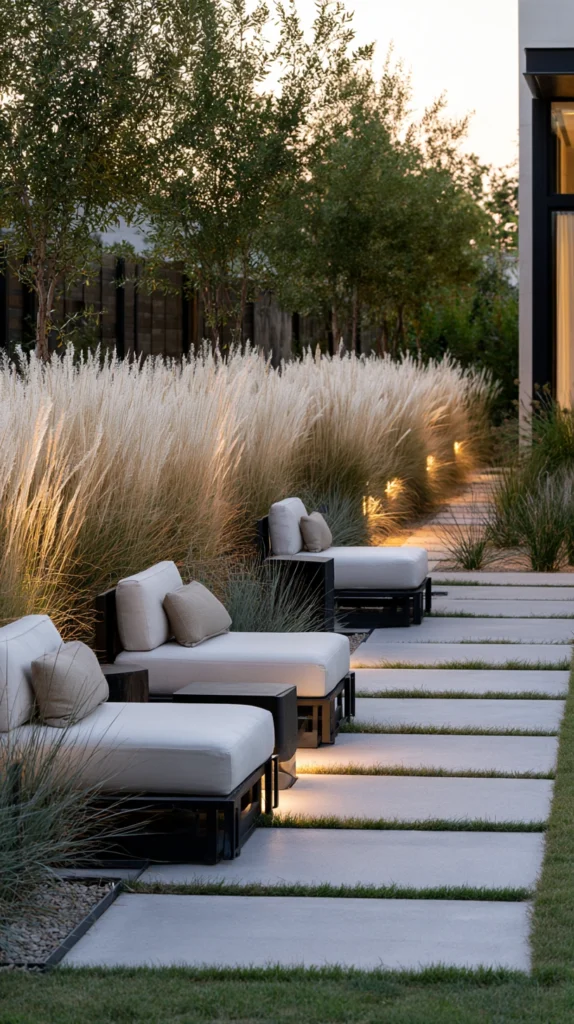
A dense border of tall ornamental grasses, planted along a property line, providing a softer, more textural screen than a formal hedge.
Why grasses offer a different privacy quality than shrubs
Ornamental grasses move with the wind, adding sound and motion a static hedge does not provide, while still achieving substantial screening height by the height of the growing season.
The grass selection
Miscanthus, feather reed grass, or switchgrass, chosen for their mature height relative to the specific screening need, since varieties range widely from 3 to over 8 feet tall.
The planting density
Spaced closely enough that mature clumps merge into a continuous screen, typically requiring more plants per linear foot than a similar-length shrub hedge.
The seasonal character
Grasses die back in winter in most climates, reducing screening during the coldest months, though many varieties are left standing through winter for their own textural and visual interest even without leaves.
The autumn peak
Reaching their fullest height and most striking seasonal color — golden, copper, or deep bronze plumes — in fall, aligning the privacy screen’s peak season with the season it is often most wanted.
The maintenance
Cut back once annually in late winter, before new spring growth begins, a far simpler maintenance routine than the regular shaping a formal hedge requires.
Cost breakdown: Ornamental grasses (10–15, for a full border): $150–350 Total: $150–350
10. The Espaliered Fruit Tree Screen
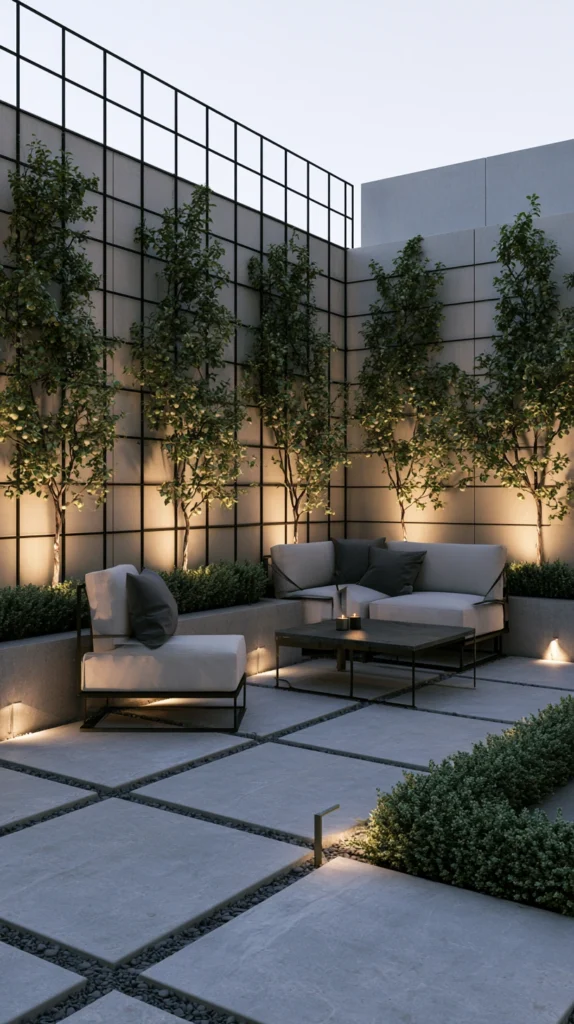
Fruit trees trained flat against a fence or trellis in an espalier pattern, providing both a decorative, productive screen and a genuinely space-efficient planting.
Why espalier suits a yard with limited depth for a full hedge
A traditional hedge requires several feet of depth to mature properly; an espaliered tree occupies only a few inches, making it a strong option for a narrow side yard or a property line with little room to spare.
The tree selection
Apple, pear, or fig, all commonly trained this way and well suited to the flat, two-dimensional growth pattern espalier depends on.
The support structure
Horizontal wires mounted against a fence or a dedicated trellis frame, providing the structure young branches are trained and tied to as the tree develops.
The training time
Full coverage typically takes three to five years to establish, a longer-term project than most other options on this list, worth undertaking with that timeline clearly understood from the outset.
The seasonal display
Blossoms in spring, fruit in summer or fall, and an attractive branching structure even in bare winter months, offering year-round visual interest beyond the screening function alone.
The dual benefit
Genuine fruit production alongside the privacy function, distinguishing this option from purely ornamental screening choices.
Cost breakdown: Young fruit trees (2–3, trainable): $60–150 Training wire and hardware: $30–60 Total: $90–210
11. The Outdoor Curtain Panel Screen
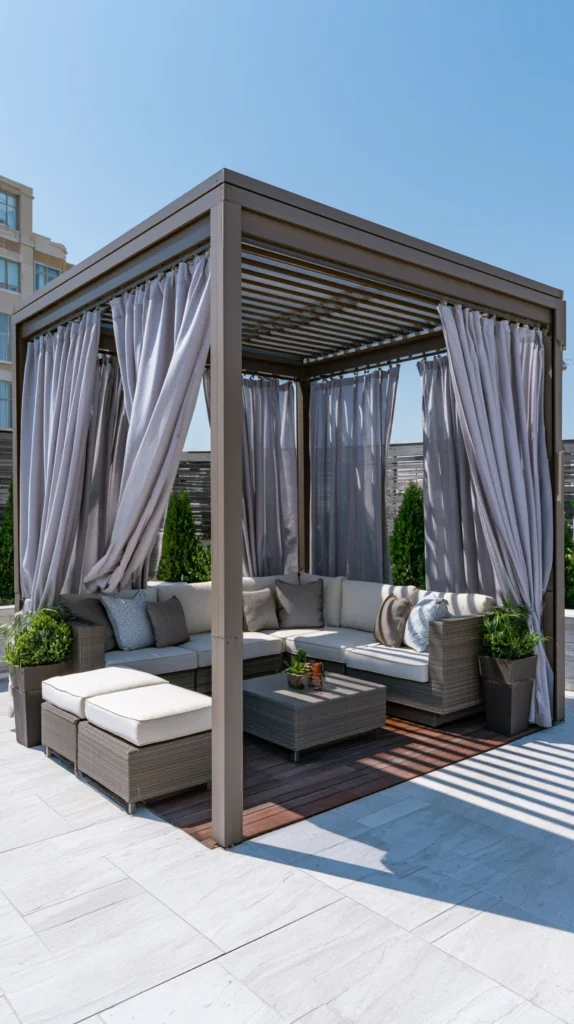
Weather-resistant fabric curtain panels, hung from a pergola, porch overhang, or a dedicated frame, providing a flexible, softening screen that can be drawn open or closed as needed.
Why curtains offer adjustable privacy no fixed structure can match
Every other option on this list provides fixed, permanent screening. Outdoor curtains can be opened for full sun and view, or drawn closed for full privacy, adjusting to the moment rather than committing to one permanent state.
The fabric
Solution-dyed acrylic or another genuinely weather-resistant outdoor fabric, resistant to fading, mildew, and moisture over repeated outdoor exposure.
The hardware
A sturdy curtain rod or cable system, mounted to a pergola, porch overhang, or a freestanding frame built specifically to support the panels.
The color
A neutral or richly colored fabric that complements the yard’s existing palette, since these panels are often among the most visually prominent elements once installed.
The maintenance
Taken down and stored during particularly harsh weather in most climates, extending the fabric’s usable lifespan across multiple seasons.
The softening effect
Fabric panels add a genuine softness and movement to an outdoor space that rigid screening materials cannot replicate, functioning as much as a design element as a privacy solution.
Cost breakdown: Outdoor curtain panels (3–4): $80–200 Curtain rod or cable system: $40–100 Total: $120–300
12. The Layered Front-to-Back Planting Bed
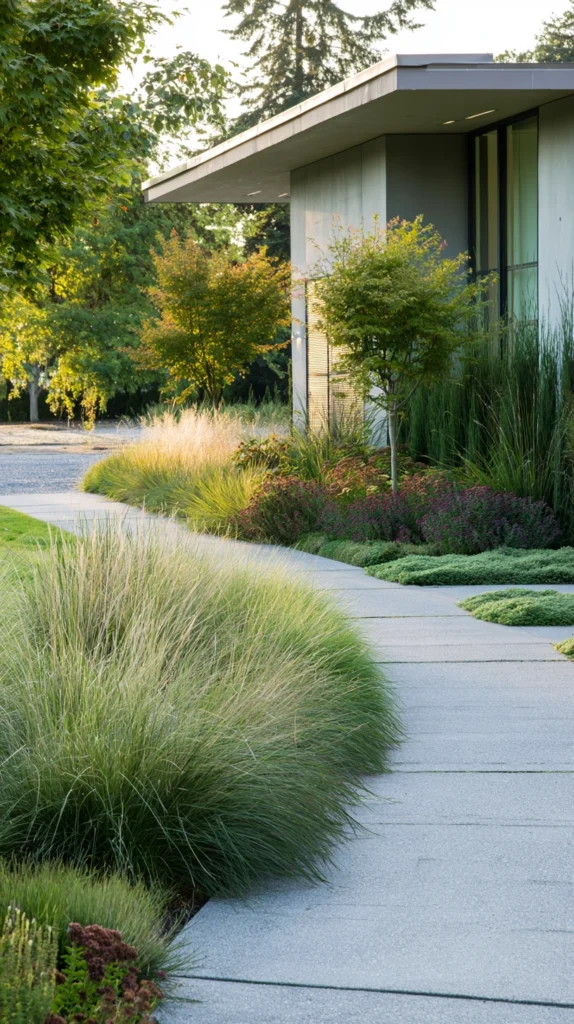
A planting bed combining low, medium, and tall plants in distinct layers, rather than a single-height hedge, creating a fuller, more naturalistic privacy screen with visual depth.
Why layered planting outperforms a single-height screen visually
A single-height hedge, however dense, reads as one flat plane. A layered bed — low plants in front, medium shrubs in the middle, tall trees or shrubs at the back — creates genuine depth and a far more naturalistic, garden-like appearance.
The layers
Low border plants (12–18 inches), mid-height shrubs (3–5 feet), and tall screening plants or small trees (8 feet and above), planted in distinct but overlapping bands.
The plant variety
A genuine mix of species across the layers, rather than a single repeated plant at varying heights, for the textural richness that distinguishes this approach from a simple tiered hedge.
The depth requirement
Requires more planting bed depth than a single-row hedge, typically 4 to 6 feet from front to back, worth confirming the yard has room for before committing to this more elaborate approach.
The seasonal interest
Flowering shrubs in the mid-layer and seasonal perennials in the front layer provide color and bloom the tall screening layer alone would not offer.
The gap coverage
The layered depth also helps obscure any gaps that might develop in the tall screening layer over time, since the front and middle layers provide additional visual coverage.
Cost breakdown: Tall screening layer (3–4 plants): $150–400 Mid-height shrubs (5–6): $100–250 Low border plants (8–10): $60–150 Total: $310–800
13. The Frosted or Reeded Glass Panel Screen
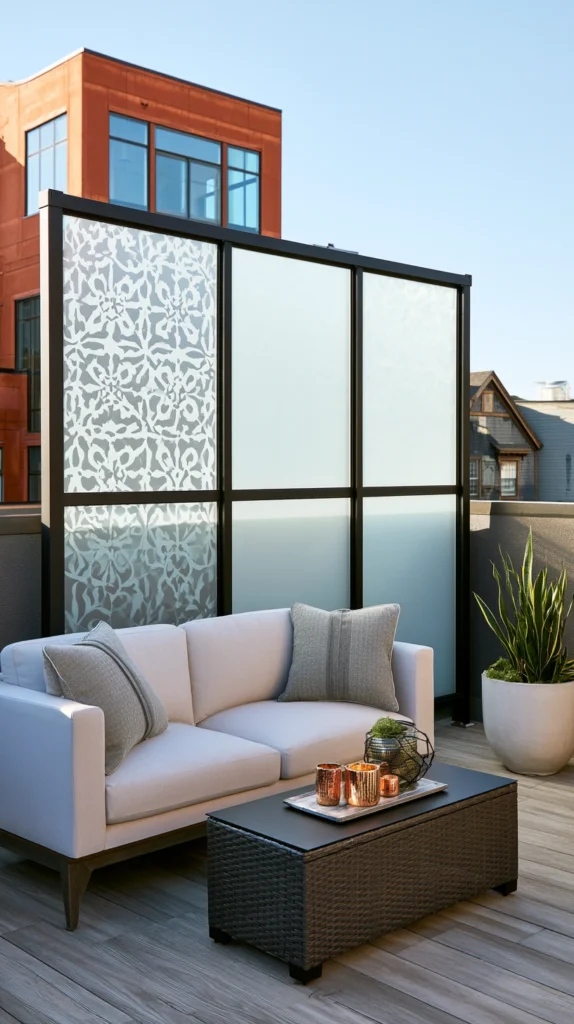
Panels of frosted, reeded, or textured glass, mounted in a simple frame, providing full visual privacy while still allowing light through, particularly effective in a small urban yard.
Why glass suits a small or shaded urban backyard specifically
A solid fence or dense hedge can make a small yard feel enclosed and dark. Textured glass blocks the sightline while still transmitting light, avoiding the shadowed, boxed-in feeling a fully opaque screen can create in a tight space.
The glass type
Reeded, frosted, or fluted glass, chosen for the degree of light transmission and the specific texture and pattern preferred.
The frame
A simple metal or wood frame, sized to the specific area needing screening, since glass panels are typically used for a targeted section rather than a full property perimeter.
The structural consideration
Properly rated tempered or laminated safety glass, professionally installed, given both the material’s weight and the safety requirements for an outdoor structural application.
The contemporary aesthetic
Suits a modern or minimalist yard design particularly well, offering a distinctly different visual language than the more traditional plant-based screening options on this list.
The maintenance
Occasional cleaning to maintain the glass’s appearance, a different but generally lower-effort maintenance routine than a living screen requires.
Cost breakdown: Frosted or reeded glass panels: $300–800 Frame and professional installation: $400–1,000 Total: $700–1,800
14. The Water Feature Sound Buffer
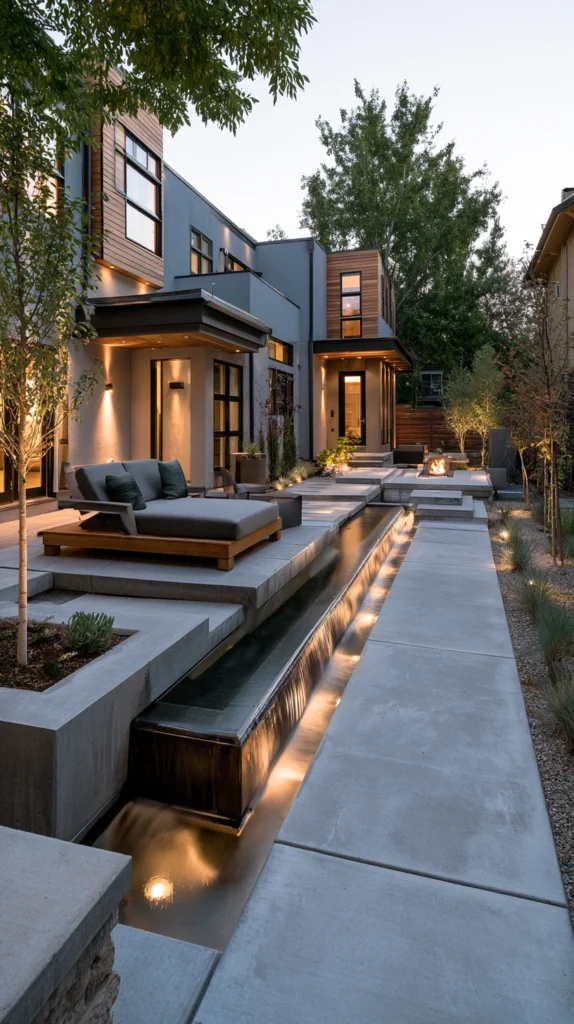
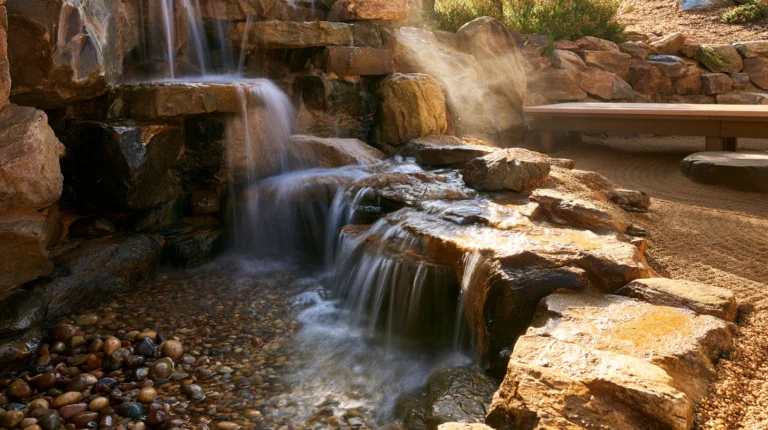
A fountain or small water feature, positioned near the main seating area, addressing auditory privacy by masking nearby conversation and neighborhood noise rather than blocking any visual sightline.
Why sound matters as much as sight for a genuine sense of privacy
A yard can be fully screened visually and still feel exposed if every conversation carries clearly to a neighbor’s patio. A water feature’s consistent ambient sound reduces that sense of being overheard, addressing a dimension of privacy visual screening alone does not.
The water feature
A small to medium fountain, sized to the yard and positioned close to the primary seating or conversation area rather than at the yard’s far edge.
The sound level
A feature with a genuine, audible water flow, rather than a purely decorative trickle, since the masking effect depends on the sound being loud enough to actually cover nearby conversation.
The placement relative to the sightline concern
Positioned between the seating area and the specific direction sound most needs to be masked from, maximizing the buffering effect for that particular concern.
The pairing with visual screening
Most effective when paired with one of the visual privacy techniques elsewhere on this list, since a water feature alone addresses sound but does nothing for a direct visual sightline.
The maintenance
Regular water changes and occasional cleaning to prevent algae growth, a modest but real ongoing task for this option.
Cost breakdown: Small to medium fountain: $100–400 Total: $100–400
15. The Complete Backyard Privacy Design (The Fully Integrated Yard)
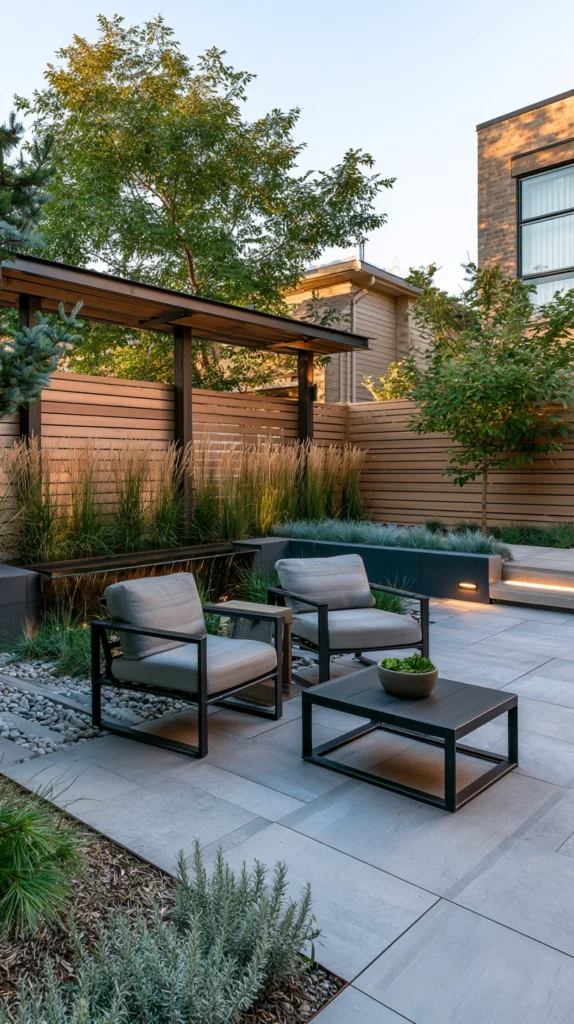
A complete privacy design combining several of the approaches above — a living hedge, an overhead pergola, layered planting, and a water feature — addressing sightlines from multiple angles while functioning as a cohesive, beautiful garden in its own right.
What separates the complete design from a single privacy fix
A single hedge or a single fence: a solution to one sightline. A complete privacy design: every angle considered — side, overhead, and auditory — using techniques chosen for how they look as much as how effectively they screen.
The elements of the complete backyard privacy design
The perimeter
A layered planting bed along the property line, combining low, medium, and tall plants for depth and year-round visual interest.
The overhead
A pergola with climbing vines over the main seating area, addressing any elevated sightlines from neighboring windows.
The targeted screens
Raised planters or a lattice-and-rose combination positioned at the specific points where privacy matters most, rather than uniform screening around the entire perimeter.
The sound
A water feature near the seating area, softening the sense of being overheard even where visual privacy is already well established.
The material variety
A mix of living and structural elements — plants, wood, and water — rather than relying on any single technique alone, since the combination consistently outperforms one method used in isolation.
The seasonal resilience
At least one evergreen element among the plantings, ensuring some baseline privacy persists through the colder months when deciduous options lose their coverage.
The complete design in action
A summer evening on the patio:
7pm: Dappled light through the pergola’s climbing wisteria, the hedge along the property line fully leafed out and dense.
7:15pm: Conversation at the table, the nearby fountain’s steady sound softening how far any of it carries.
7:30pm: No sense of the neighboring windows at all, the layered planting and overhead canopy having quietly resolved every sightline that once made the yard feel exposed.
The complete backyard privacy design: not a fence built to block a view, but a garden built to feel genuinely separate from everything around it, more beautiful for the screening rather than despite it.
Cost breakdown for the complete design: Assuming a starting point of an open, unscreened yard: Layered planting bed: $310–800 Pergola with climbing vines: $860–2,650 Targeted screen (lattice and roses, or raised planters): $160–530 Water feature: $100–400 Total: $1,430–4,380
Phased over two or three seasons:
Season one ($300–800): The layered planting bed along the main sightline of concern A water feature near the seating area
Season two ($800–2,650): The pergola structure and climbing vines
Season three ($160–530): A targeted secondary screen for any remaining sightline Finishing plantings and adjustments as the primary elements mature
The backyard privacy design: not a weekend project but a genuinely beautiful, screened retreat built with intention over time.
The Question Before Any Privacy Design
Before choosing a hedge, a fence, a structure:
What is the primary reason the yard currently feels exposed?
If the answer is: a direct neighbor sightline at ground level — the layered mixed hedge or the horizontal slat fence.
If the answer is: an elevated window or second-story view — the pergola with climbing vines.
If the answer is: a small yard where a full hedge will not fit — the espaliered fruit tree screen or the frosted glass panel.
If the answer is: feeling overheard rather than overseen — the water feature, paired with one visual screening technique.
The design follows the actual sightline or concern causing the exposed feeling, more than any single style preference. Every idea on this list solves a different version of that problem. The question is which specific sightline matters most in this particular yard.
The single row of tall grasses along the worst sightline: still changes how the yard feels to sit in. The complete design, planned with intention: a yard that feels like a genuine retreat, screened beautifully rather than merely blocked off.
That retreat: the whole point of getting privacy right.
Getting Started This Weekend
The immediate backyard privacy solution:
Sit in the yard’s main seating spot and note every direction that feels exposed.
Not a guess from memory — actually sit there, at the time of day the yard gets used most, and look.
Identify whether the concern is a ground-level, elevated, or auditory sightline.
The answer determines which category of solution — hedge, pergola, or water feature — actually addresses the real problem.
Start with the fastest-growing option for the most urgent sightline.
Clumping bamboo or a raised planter screen, rather than a slower hedge, if the exposure feels most pressing right now.
Add one layer this season, and plan the next for next year.
The rest of the design: the elaboration of this moment.
The screen: the beginning. The private backyard: what grows and gets built around it.