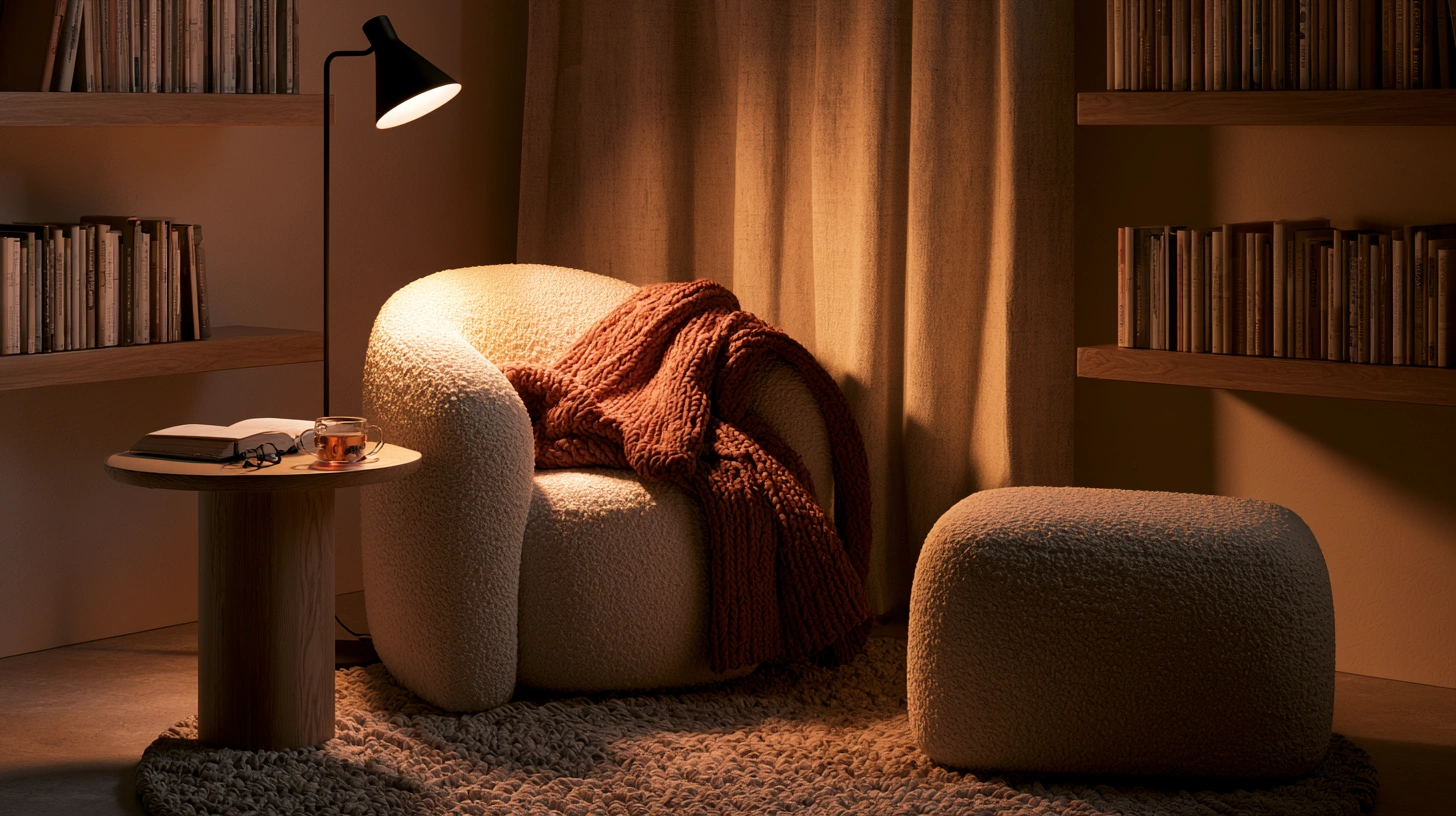
13 Reading Corner Ideas for Your Bedroom This Fall
My bedroom had a chair in the corner for three years that nobody ever sat in. A stiff accent chair, no lamp nearby, a pile of laundry slowly accumulating on the seat instead of a person.
Tried moving a single lamp over once. The chair was still uncomfortable, still poorly lit, still completely unused. One object cannot fix a corner that was never actually designed to be sat in.
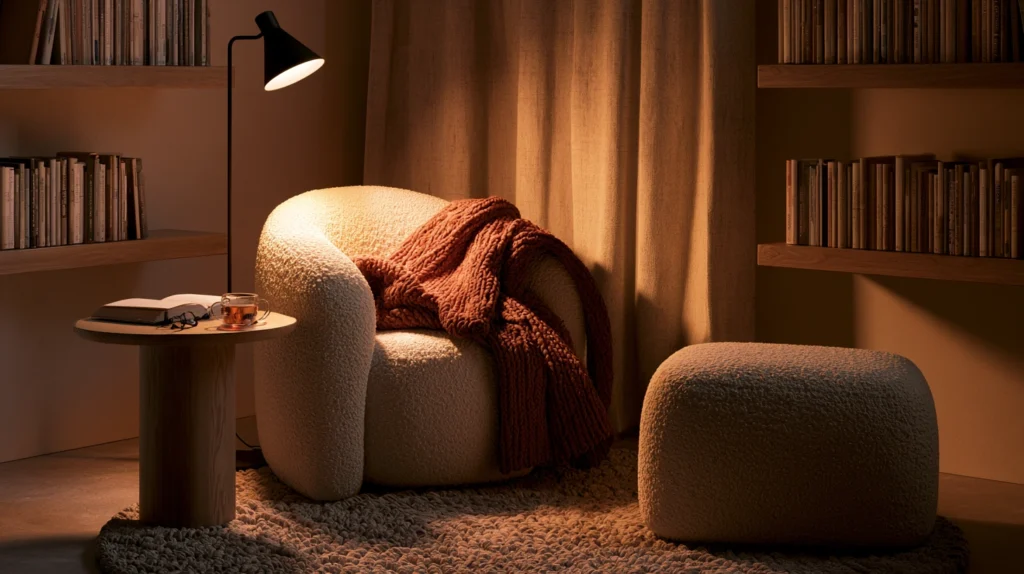
Then I rebuilt that corner as an actual destination, with the chair, the light, the surface, and the textiles all working together toward one specific purpose. Reading there became a genuine nightly habit instead of an aspiration that never happened.
Now that corner gets used every single evening, and the laundry pile finally has nowhere left to land.
Let me show you 13 reading corner ideas that turn an unused bedroom corner into the place you actually want to be every fall evening.
Why Most Bedroom Reading Corners Never Get Used
The chair-alone mistake:
What most attempted reading corners are missing:
- A chair placed in a corner with nothing else considered
- No task lighting positioned for actual reading
- No surface nearby for a book, a drink, or glasses
- A chair that looks right in photos but is genuinely uncomfortable to sit in for more than five minutes
The function-before-beauty principle:
What an actual reading corner requires:
- Comfort tested by sitting, not just visual appeal assessed by looking
- Light specifically positioned for the act of reading, not just ambient room lighting
- A small surface within arm’s reach
- A reason to come back to this specific spot rather than reading in bed or on the sofa instead
Why fall specifically rewards finishing this project:
The seasonal alignment:
- Shorter days mean more hours spent indoors in the evening
- Cooler temperatures make a cozy, enclosed corner more appealing than it might feel in summer
- This is the season when a genuinely good reading corner gets used the most, making it worth getting right before winter fully arrives
My revelation: A reading corner is a system of four things working together — chair, light, surface, and textile warmth — not a single chair placed somewhere convenient. Skip any one element and the corner remains unused no matter how good it looks.
1. The Corner Armchair With a Dedicated Reading Lamp (The Essential Starting Formula)
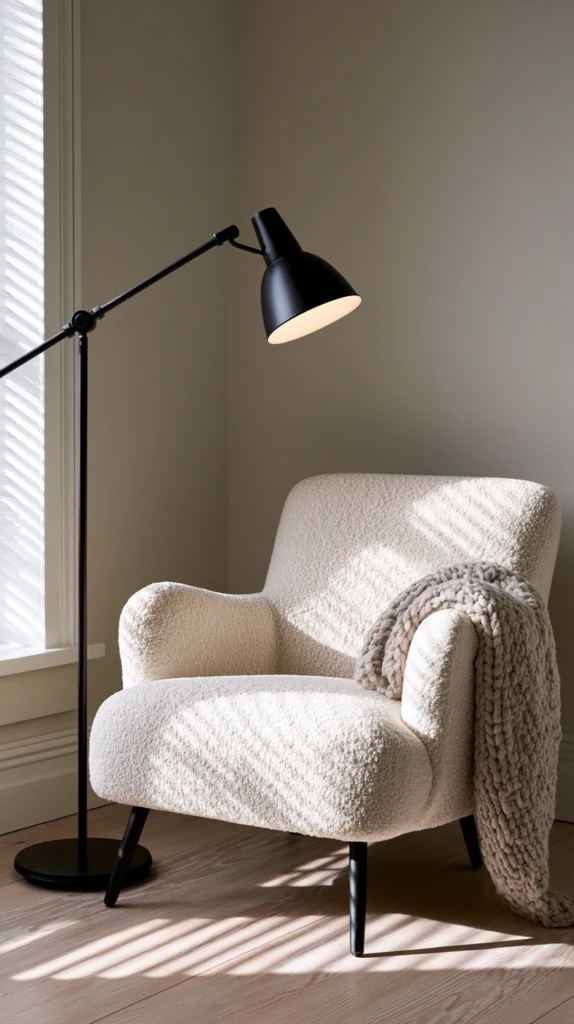
One genuinely comfortable chair paired with a lamp positioned specifically for reading — the foundation every other idea on this list builds from.
My uncomfortable chair problem:
What I had:
- An accent chair chosen entirely for how it looked in the room
- No consideration of how it actually felt to sit in for an extended period
- No lamp positioned correctly, relying instead on the room’s overhead light
Why comfort must come before style in this specific decision:
The sitting test:
- A beautiful chair that becomes uncomfortable after ten minutes will never become a genuine reading habit
- Before finalizing any chair for this purpose, sitting in it for at least fifteen minutes, ideally with an actual book, reveals whether it will work long-term
- This test matters more for this specific piece of furniture than for almost any other in the bedroom
Chair types that work well for reading:
Best options:
- A deep armchair with a slightly reclined back angle (encourages relaxation without promoting sleep)
- A wingback chair, which provides head support for extended reading sessions
- A slipper chair, lower to the ground, for those who prefer a more grounded, casual reading posture
The lamp positioning rule:
Where reading light must go:
- At or slightly above shoulder height when seated
- Positioned to the side, not directly overhead, avoiding both glare on the page and shadow cast by your own head
- Close enough that the light pool covers the book without requiring the chair to be dragged toward it
Bulb choice for reading specifically:
Balancing warmth and function:
- Reading requires more brightness than general ambient mood lighting
- A 2700K bulb with adequate lumen output (look for at least 800 lumens) provides enough brightness for comfortable reading while remaining warm rather than clinical
- A bulb that is too dim defeats the purpose of dedicated reading light; one that is too cool in temperature undermines the room’s broader cozy atmosphere
Lamp style options:
What fits a fall bedroom reading corner:
- A floor lamp with an adjustable arm, allowing precise positioning relative to the chair
- A table lamp on a small side table, if floor space is limited
- A mushroom-style lamp, providing a particularly soft, diffused quality of light well suited to evening reading
Cost:
- Chair (secondhand or budget new): $50-300
- Reading lamp: $30-100
- Total: $80-400
My corner armchair and lamp result: Replacing my purely decorative chair with one I had actually sat in and approved for comfort, paired with a floor lamp positioned at shoulder height beside it, turned this corner from never-used to nightly-used within the first week.
Corner Armchair Tips
Testing the lamp position before finalizing furniture placement:
A practical verification step:
- Sit in the chair with the lamp in its intended position and actually read a few pages
- Adjust the lamp’s exact placement based on where shadows or glare appear, rather than guessing at the correct position from across the room
Choosing a chair that can be reupholstered later if needed:
A budget-conscious long-term consideration:
- A secondhand chair with a solid frame but tired upholstery can be reupholstered later for less than buying new
- This allows starting with an affordable frame now and improving the fabric when budget allows, rather than waiting to afford the full ideal chair before beginning to use the corner at all
2. A Small Side Table Within Arm’s Reach (Solving the “Where Does My Tea Go” Problem)
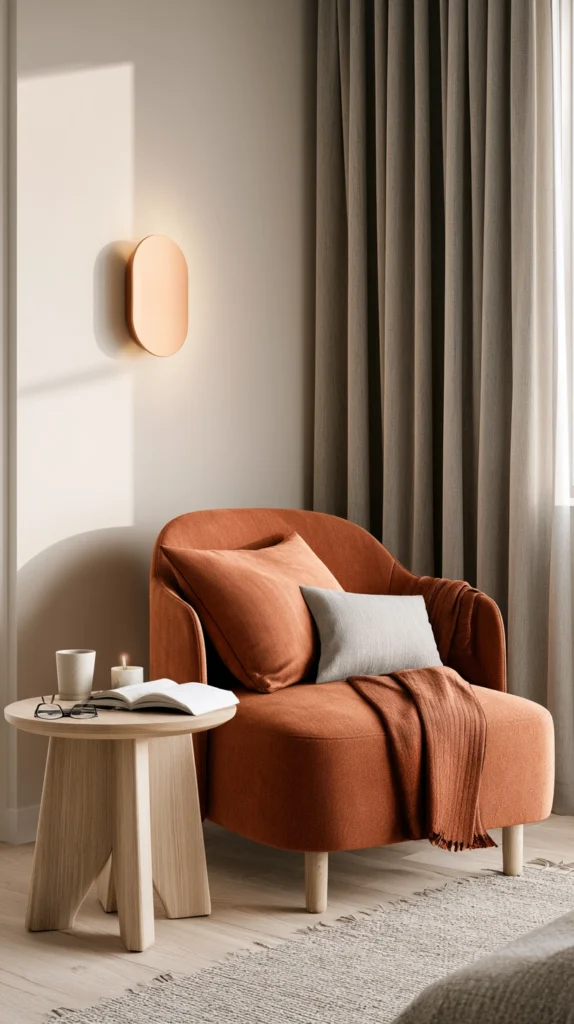
A dedicated small table positioned directly beside the reading chair — eliminating the friction that keeps a reading corner from becoming a habit.
My missing surface problem:
What kept happening:
- A cup of tea or water set on the floor beside the chair, at constant risk of being knocked over
- No surface for a book when pausing to do something else briefly
- This small but constant inconvenience was enough to discourage regular use of the corner
Why this small addition matters so much:
The friction-removal principle:
- Every small obstacle between intention and habit reduces how often a habit actually forms
- A missing surface for tea, glasses, or a bookmark is a small but real obstacle
- Removing it costs very little but meaningfully increases how often the corner gets used
Table size and height considerations:
What works best:
- A table at or slightly below arm height when seated, so reaching for an item does not require leaning forward significantly
- Small enough to fit within the corner’s available space without crowding the chair
- A round table tends to fit more comfortably into a tight corner than a square or rectangular one, since there are no sharp corners competing with the chair’s position
Material and style choices:
Fall-appropriate options:
- A small wood table with some visible grain or warmth, rather than a glossy or stark white finish
- A round pedestal table, which offers a slightly more traditional, cottage-appropriate silhouette
- A small vintage or secondhand find, adding character at a lower cost than new furniture
What goes on the table:
Building the small surface’s daily use:
- The current book, with a bookmark in place
- A coaster for tea or water
- A small candle, if using the LED options discussed in other fall bedroom guidance
- Reading glasses, if needed, so they are never misplaced elsewhere in the room
Sourcing affordably:
Budget options:
- Thrift stores and estate sales for a small secondhand table with character ($10-40)
- IKEA for a simple, affordable new option ($15-40)
- A small stool repurposed as a side table, if a dedicated table is not available
Cost:
- Small side table: $15-80
- Total: $15-80
My side table result: Adding a small round wood table directly beside my reading chair eliminated the constant low-level annoyance of balancing tea on the floor or the chair arm, this single small piece of furniture removed enough friction that the corner went from occasionally used to genuinely part of my nightly routine.
Side Table Tips
Choosing a table with some storage if space allows:
A practical upgrade:
- A small table with a single drawer or a lower shelf provides a place to store a current stack of books or a notebook
- This keeps the reading corner’s surface area from accumulating clutter beyond just the single in-progress book
Avoiding a table too tall for the chair:
Getting the proportion right:
- A table significantly taller than the chair’s arm height makes reaching for items awkward
- Testing the table height alongside the actual chair, rather than assuming standard table height will work universally, prevents this common mismatch
3. A Floor-to-Ceiling or Wall-Mounted Bookshelf Beside the Corner (Bringing the Library to the Chair)
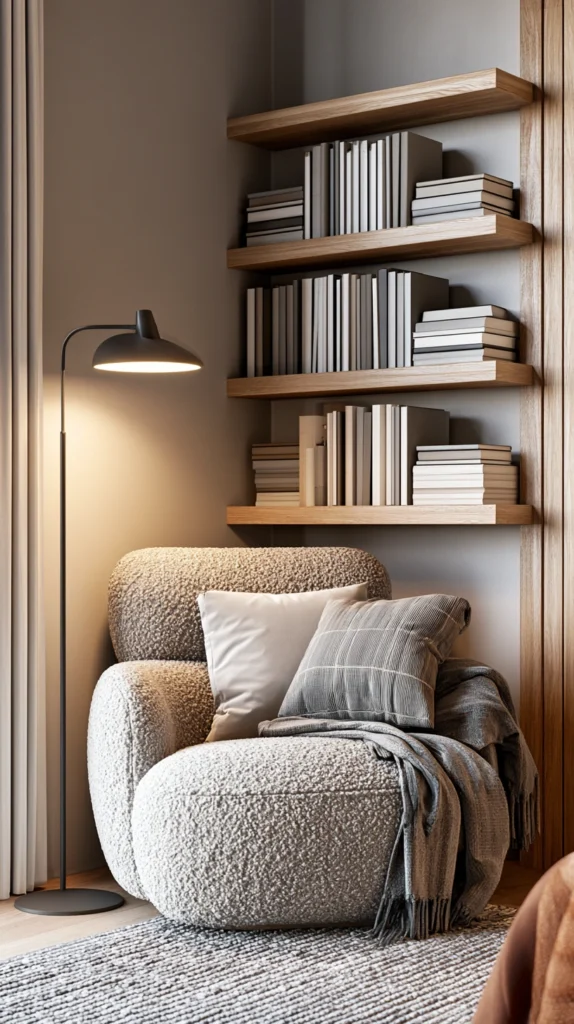
Shelving installed directly adjacent to the reading chair — removing the need to leave the corner to select or return a book.
My books-in-another-room problem:
What was happening:
- All books stored on a shelf in a different part of the house
- Every time a book finished or a new one was wanted, leaving the reading corner entirely to retrieve it
- This small disruption broke the habit-forming consistency of returning to the same spot nightly
Why proximity between books and the chair matters:
The habit-reinforcement principle:
- A reading corner with no nearby books requires an additional decision and action (going to get a book) before the actual reading can begin
- Removing this step by keeping books directly beside the chair makes starting to read as frictionless as possible
Shelving options by available space:
Floor-to-ceiling built-in or freestanding shelf:
- The most complete solution, if the corner has adjacent wall space
- Holds a substantial collection, creating a genuine small library feeling around the chair
- Can be a budget freestanding unit (IKEA BILLY and similar) rather than custom built-in millwork
Wall-mounted floating shelves:
- A more modest, budget-friendly option if a full bookshelf is not practical for the space
- Two or three shelves mounted directly beside or above the chair hold a curated current selection rather than a full collection
A small bookshelf or crate on the floor:
- The lowest-commitment option, requiring no wall mounting
- A small open crate or low shelf beside the chair, holding the current “in rotation” books
What to store here specifically:
Curating the corner’s book selection:
- The current book being read, plus a few next-in-line options
- A favorite or frequently revisited title
- This does not need to hold the entire household book collection; that can remain elsewhere, with only the active reading selection living in this immediate corner
Cost:
- Small floating shelves (two to three): $20-60
- Freestanding small bookshelf: $40-150
- Total: $20-150
My corner shelving result: Installing two small floating shelves directly above my reading chair, holding my current book along with four or five others I was considering reading next, eliminated the need to leave the corner at all once I sat down for the evening, this small convenience meaningfully increased how often I actually used the space.
Corner Shelving Tips
Mounting at a height reachable from the seated position:
A practical installation consideration:
- Shelves mounted too high require standing up to reach them, partially defeating the purpose of proximity
- Testing the reach from the actual seated chair position before finalizing mounting height ensures genuine convenience
Keeping the selection curated rather than comprehensive:
Avoiding overcrowding the small shelf space:
- A small corner shelf works best holding five to ten actively considered books, not an attempt to relocate an entire library
- This curation also makes choosing the next book easier, since the selection is intentionally limited rather than overwhelming
4. A Small Footstool or Ottoman (The Often-Overlooked Comfort Upgrade)
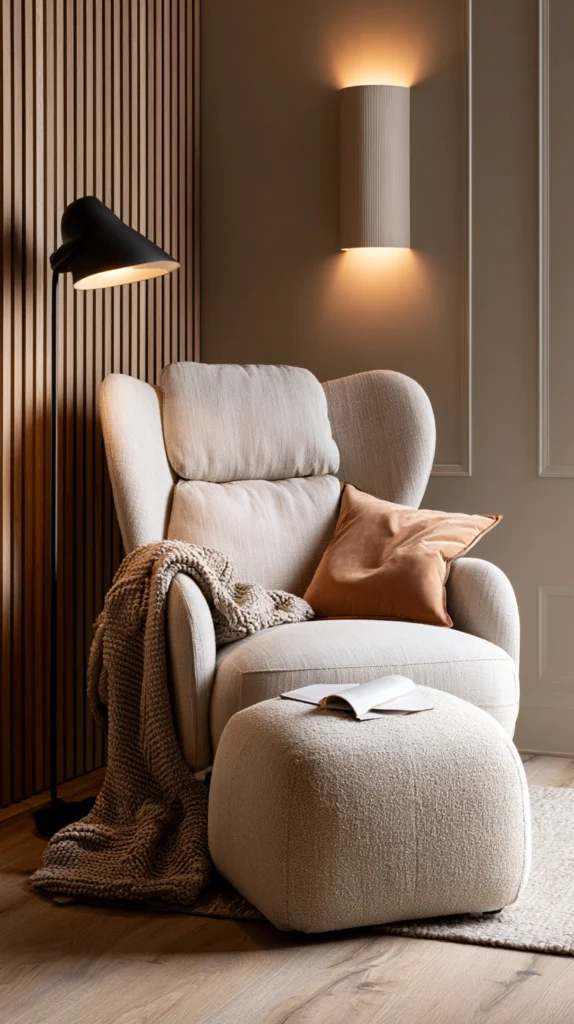
A small footstool positioned in front of the reading chair — extending comfortable reading sessions by supporting proper leg and back positioning.
My overlooked leg comfort problem:
What I had not considered:
- A comfortable chair for the upper body, but no support for feet and legs during longer reading sessions
- Legs eventually feeling restless or uncomfortable after twenty to thirty minutes, cutting reading sessions shorter than intended
Why a footstool specifically extends reading time:
The ergonomic benefit:
- Elevating the feet slightly reduces lower back strain during extended sitting
- This small adjustment is frequently the difference between a fifteen-minute reading session and a genuinely relaxing hour-long one
Footstool size and style for a small corner:
What works in limited space:
- A small, low ottoman, sized modestly enough not to crowd an already tight corner
- A pouf, which often takes up less visual and physical space than a structured footstool while still providing the same function
- A vintage or secondhand small stool, repurposed for this use
Material and fall color choices:
What fits the season:
- A velvet or chunky knit cover in rust, olive, or deep cream
- A woven rattan or wicker pouf for natural texture
- Coordinating, though not necessarily exactly matching, the reading chair’s existing fabric
Dual function consideration:
Maximizing the footstool’s usefulness:
- A footstool with internal storage (some poufs and ottomans open for this purpose) provides a place to store an extra throw blanket or a few books, addressing two needs in one small piece of furniture
- This dual function particularly benefits a small bedroom where every piece of furniture ideally serves more than one purpose
Sourcing affordably:
Budget options:
- Thrift stores for a secondhand stool or small ottoman ($8-30)
- IKEA for an affordable new pouf or footstool ($20-50)
- A large floor cushion repurposed as an informal footrest, costing very little if already owned
Cost:
- Footstool or pouf: $20-60
- Total: $20-60
My footstool result: Adding a small storage ottoman in front of my reading chair, purchased secondhand for fifteen dollars, extended my actual reading sessions noticeably, the storage compartment inside also conveniently holds an extra throw blanket that I previously had nowhere appropriate to keep.
Footstool Tips
Checking proportional fit before purchasing:
Avoiding an overcrowded corner:
- Measuring the available floor space in front of the chair, accounting for room to actually walk past or around the footstool, prevents an overcrowded final result
- A footstool that makes the corner feel cramped undermines the relaxed atmosphere the entire space is meant to provide
Choosing storage function if the budget allows only one footstool purchase:
Maximizing a single investment:
- Given the choice between an otherwise similar footstool with or without internal storage, the storage option typically provides more practical long-term value for very little additional cost difference
5. A Heavy Curtain or Fabric Panel Partially Enclosing the Corner (Creating a Sense of Privacy Within the Room)
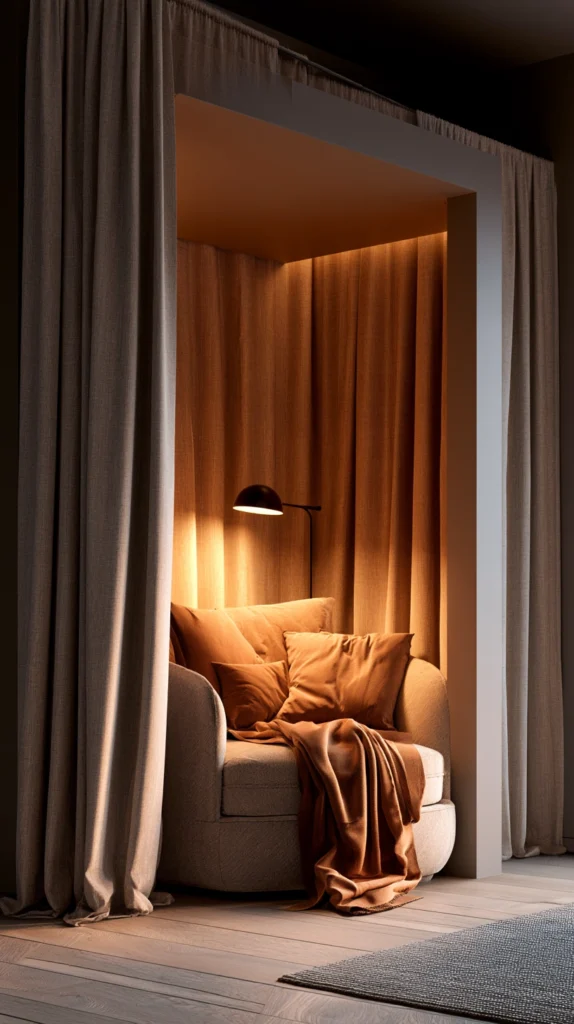
A curtain or fabric panel hung to partially section off the reading corner from the rest of the bedroom — adding a psychological sense of enclosure that makes the space feel like a genuine retreat.
My exposed corner problem:
What was happening:
- The reading chair sat in full view of the rest of the bedroom, with no sense of separation or privacy
- This open exposure, while not functionally problematic, made the corner feel less like a distinct retreat and more like simply another chair in the room
Why partial enclosure changes the psychological experience:
The retreat-within-a-room principle:
- Even a small amount of visual separation creates a sense that the reading corner is its own distinct zone, separate from the bed and the rest of the bedroom’s activities
- This enclosed feeling supports the same psychological function as the reading nook concept discussed throughout broader fall and hobbitcore-adjacent bedroom guidance, here applied specifically and practically to a small corner setup
How to create this partial enclosure:
Curtain rod options:
- A curved or straight curtain rod mounted from the ceiling or wall, positioned to hang fabric along one open side of the corner
- A tension rod between two walls, if the corner’s geometry allows, requiring no permanent mounting
Fabric choices:
What fits a fall reading corner:
- A heavy linen panel in a warm earthy tone
- A velvet panel for a more dramatic, luxurious enclosure
- A lighter sheer panel, if a softer, more subtle separation is preferred over a fully opaque one
Partial versus full enclosure:
Calibrating how much separation is needed:
- A single panel on one side, rather than fully surrounding the chair, often provides sufficient psychological enclosure without making the corner feel cramped or completely closed off
- This partial approach also keeps the chair visible and inviting from the rest of the room, rather than hidden away entirely
Sourcing affordably:
Budget options:
- A single IKEA curtain panel ($8-15)
- A thrifted fabric remnant or vintage curtain panel
- A tension rod, requiring no drilling, for renters specifically ($8-15)
Cost:
- Curtain rod or tension rod: $8-20
- Fabric panel: $8-30
- Total: $16-50
My curtain enclosure result: Hanging a single deep olive linen panel from a tension rod along one open side of my reading corner, for under twenty-five dollars total, created a genuine sense of retreat within my otherwise open bedroom, sitting down in the chair now feels like entering a distinct space rather than simply occupying a corner of a larger room.
Curtain Enclosure Tips
Testing the psychological effect before committing to permanent mounting:
A low-risk trial approach:
- Using a tension rod first, rather than immediately drilling for a permanent ceiling or wall mount, allows testing whether the partial enclosure genuinely improves the experience before committing to a more permanent installation
Choosing a fabric that coordinates with the existing bedroom palette:
Maintaining visual cohesion:
- Selecting a curtain color from within the same warm fall palette already established elsewhere in the bedroom (per other fall bedroom decor guidance) ensures this addition integrates rather than visually competing with the rest of the room
6. A Layered Throw Blanket Specific to the Reading Chair (Separate From the Bed’s Bedding System)
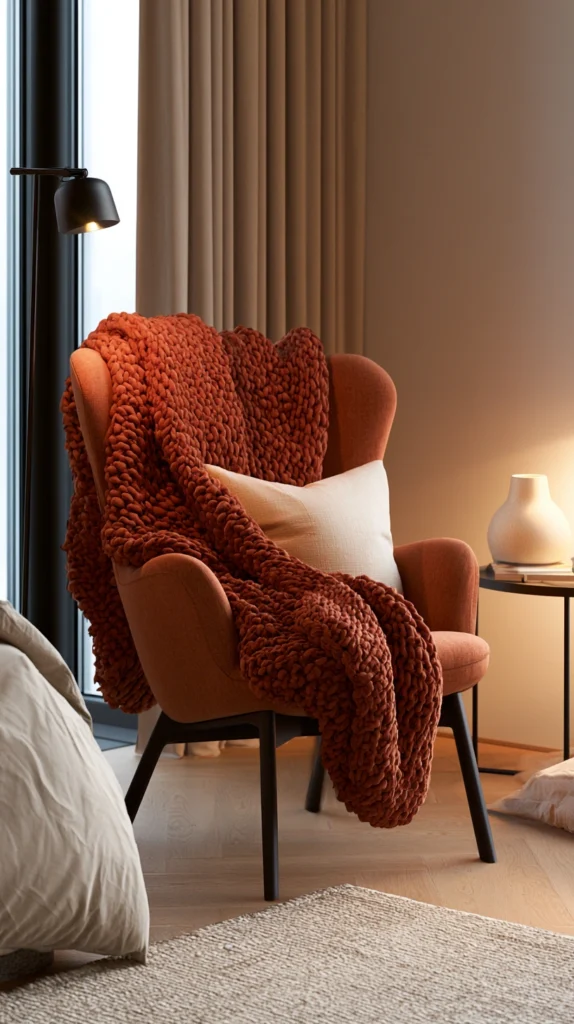
A dedicated throw blanket that lives on or beside the reading chair specifically, distinct from any bedding — ensuring warmth is always available exactly where the reading happens.
My borrowed-blanket inconvenience:
What kept happening:
- No throw blanket dedicated to the chair itself
- Repeatedly walking back to the bed to grab a blanket each time the reading corner felt too cool, which became enough of an interruption to occasionally skip reading altogether on colder evenings
Why a chair-specific throw matters separately from bed throws:
The dedicated-object principle:
- Just as the side table and lamp are dedicated specifically to this corner, a throw blanket that lives here permanently removes another small friction point
- This is distinct from any throw blanket layered on the bed itself (per broader fall bedding guidance); this one never leaves the chair
Material and weight considerations:
Choosing the right throw for chair use specifically:
- A chunky knit throw, similar to those recommended for the bed, but slightly smaller in scale to suit draping over a chair rather than a full bed
- A wool throw, particularly warm and well-suited to a chair used during cooler fall evening hours
- A faux fur throw, if maximum coziness and a slightly more luxurious texture is desired for this specific use
Where it lives when not in use:
Display and accessibility:
- Draped over the back or arm of the chair itself, always visible and immediately accessible
- Folded in the footstool’s storage compartment, if using the dual-function ottoman from idea 4, when a cleaner look is preferred between uses
Color coordination:
Fitting the established palette:
- A color that relates to, though does not need to exactly match, the chair’s existing upholstery and the room’s broader fall palette
- This is an opportunity for a slightly bolder or different texture than the bed’s existing throws, since this throw occupies its own distinct zone within the room
Sourcing affordably:
Budget options:
- HomeGoods and TJ Maxx for a substantial throw at accessible pricing ($15-35)
- Target or IKEA for budget chunky knit options ($20-40)
- A secondhand wool blanket from a thrift store, often very affordably priced ($10-25)
Cost:
- Dedicated chair throw: $15-40
- Total: $15-40
My chair-specific throw result: Draping a deep rust chunky knit throw permanently over the back of my reading chair, at a cost of about twenty dollars, meant warmth was always immediately available the moment I sat down, eliminating the small but real interruption of walking back to the bed for a blanket and occasionally never returning to the corner at all that evening as a result.
Reading Throw Tips
Choosing a different texture than the bed’s primary throw:
Adding variety rather than redundancy:
- If the bed already features a chunky knit throw (per general fall bedding guidance), choosing a different texture for the chair, such as wool or faux fur, adds variety to the room’s overall textile story rather than simply repeating the same material in a second location
Washing on a separate schedule from bed linens:
Practical maintenance:
- Since this throw experiences different use patterns than bedding (less direct skin contact, but more general handling), washing it on its own schedule based on visible need, rather than bundling it with the more frequent bed linen laundry cycle, is generally sufficient
7. A Small Plant Positioned Specifically Within View of the Chair (Greenery as a Calming Visual Anchor)
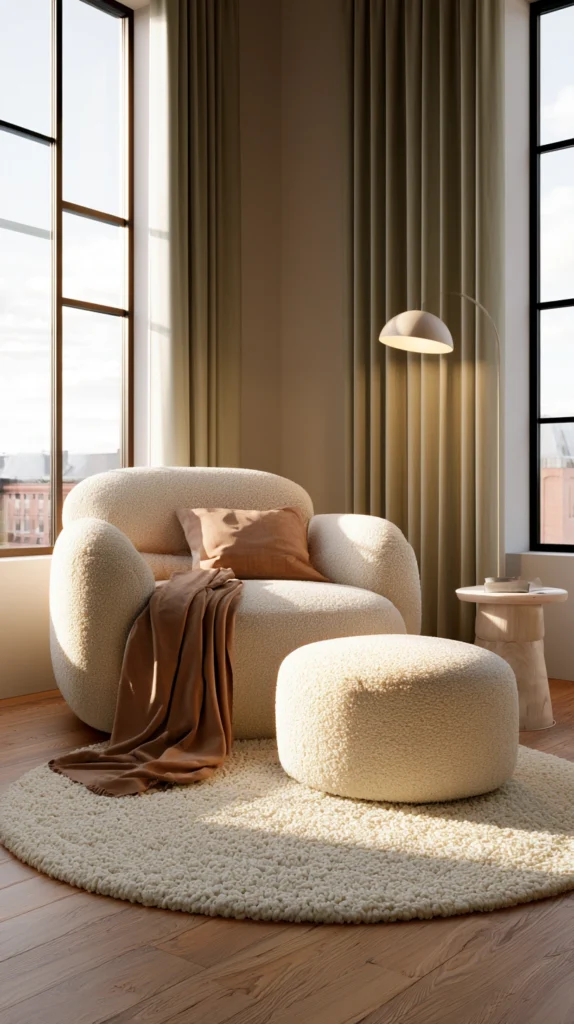
A plant placed where it is directly visible while seated and reading — providing a calming visual focal point during reading breaks.
My plant-elsewhere problem:
What was happening:
- Any plants in the bedroom were positioned for general room decoration, not specifically considered from the reading chair’s particular vantage point
- When looking up from a book, there was nothing particularly calming or interesting to rest the eyes on
Why this specific vantage point consideration matters:
The reading-break visual anchor principle:
- Reading naturally involves periodic breaks where the eyes lift from the page
- A calming visual element specifically positioned within this sightline (rather than elsewhere in the room, out of view from the chair) provides a small, restorative moment during these breaks
Best plants for this specific placement:
What works well within direct chair-sightline view:
- A trailing pothos on a nearby shelf, allowing the eye to follow its cascade
- A snake plant, with its architectural, calming vertical lines
- A small fern, if the corner receives adequate humidity and indirect light
Positioning relative to the chair:
Finding the right spot:
- On the side table from idea 2, small enough not to crowd the table’s other functions
- On the corner shelf from idea 3, integrated among the books
- On the floor in the corner itself, if a larger plant and adequate floor space allow
Light considerations for this specific corner:
Practical plant care:
- Reading corners are sometimes positioned away from the room’s best natural light, prioritizing chair placement over plant light needs
- Choosing a plant variety specifically tolerant of the actual light level present in this exact spot (rather than assuming any plant will thrive) prevents disappointment
Cost:
- Small plant: $8-20
- Small pot, if needed: $3-10
- Total: $11-30
My corner plant result: Placing a small trailing pothos on the shelf directly beside my reading chair, where it sits clearly within view whenever I look up from a page, added a small, calming visual rest point to the reading experience that I had not previously considered or missed until it was there.
Corner Plant Tips
Choosing low-light tolerant varieties if the corner is dim:
Working with the actual conditions:
- Reading corners, often positioned in a room’s less brightly lit area to avoid glare on the page, may not provide ideal plant light
- Pothos, snake plants, and ZZ plants specifically tolerate lower light conditions well, making them more reliable choices for this particular placement than higher-light-demanding varieties
Avoiding placement that obstructs the reading lamp:
A practical positioning check:
- Ensuring the plant, wherever placed, does not block or cast unwanted shadow from the reading lamp established in idea 1
- A quick check while the lamp is on, observing whether the plant interferes with the light pool on an actual book, prevents this avoidable conflict
8. A Small Rug Specifically Defining the Reading Corner’s Floor Area (Zoning Without Walls)
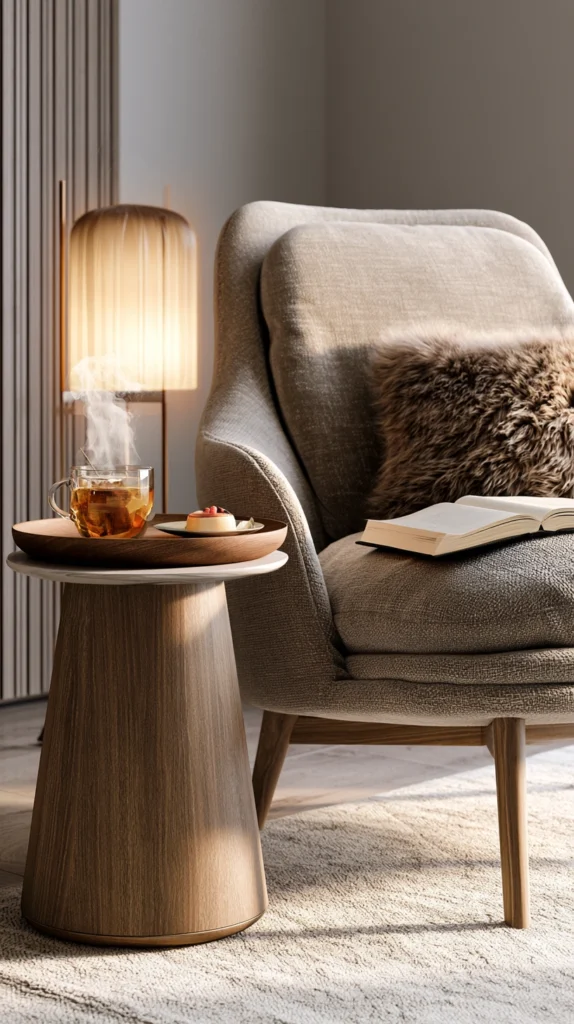
A small rug placed beneath the chair and footstool, distinct from any larger room rug — visually defining the reading corner as its own zone within the bedroom.
My undefined floor space:
What was happening:
- The reading chair sat on the same bare floor or single room-wide rug as the rest of the bedroom, with no visual boundary marking it as a distinct zone
Why a separate small rug matters for this specific purpose:
The zoning-without-walls principle:
- In a small bedroom without space for actual partitions, a rug change is one of the most effective ways to define a zone
- This visual boundary reinforces the sense (also supported by the partial curtain enclosure in idea 5) that the reading corner is its own distinct space, even within an otherwise open room
Rug size and shape for this purpose:
What works for a small corner:
- A small round or rectangular rug, sized just slightly larger than the chair and footstool combined footprint
- Round rugs in particular tend to soften a corner’s inherently angular geometry, supporting the curved, organic visual language often favored in cozy fall and cottage-style bedroom decor
Material and texture choices:
Fall-appropriate options:
- A flat-weave rug in a warm solid color, providing simple definition without excessive bulk
- A small faux sheepskin, adding plush texture specifically underfoot in this one cozy zone
- A vintage or secondhand small rug, adding character and a collected-over-time quality
Layering over an existing larger rug:
If the room already has wall-to-wall or room-sized carpeting:
- A smaller accent rug can still be layered on top, specifically within the reading corner’s footprint, providing the same zoning and visual definition benefit even when not replacing bare floor
Sourcing affordably:
Budget options:
- IKEA small rugs ($10-25)
- Thrift stores for a secondhand small rug with character ($5-20)
- Target or Amazon for an affordable faux sheepskin specifically ($15-25)
Cost:
- Small corner rug: $10-30
- Total: $10-30
My reading corner rug result: Placing a small round flat-weave rug, in a deep rust tone, beneath my reading chair and footstool for under twenty dollars visually separated this corner from the rest of the bedroom floor, reinforcing the sense that stepping onto this rug meant entering a distinct, dedicated reading zone.
Corner Rug Tips
Sizing slightly larger than the furniture footprint:
Avoiding an undersized result:
- A rug exactly the same size as the chair and footstool combined can look slightly cramped
- Allowing a few extra inches of rug visible around the furniture’s edges creates a more intentional, generously defined zone
Using a rug pad even for a small accent rug:
A small practical addition:
- A rug pad, even for this smaller size, prevents slipping and adds slight cushioning
- This is a minor additional cost that meaningfully improves both safety and the rug’s overall feel underfoot
9. A Small Tray or Dish for Tea and Snacks (Extending the Ritual Beyond Just Reading)
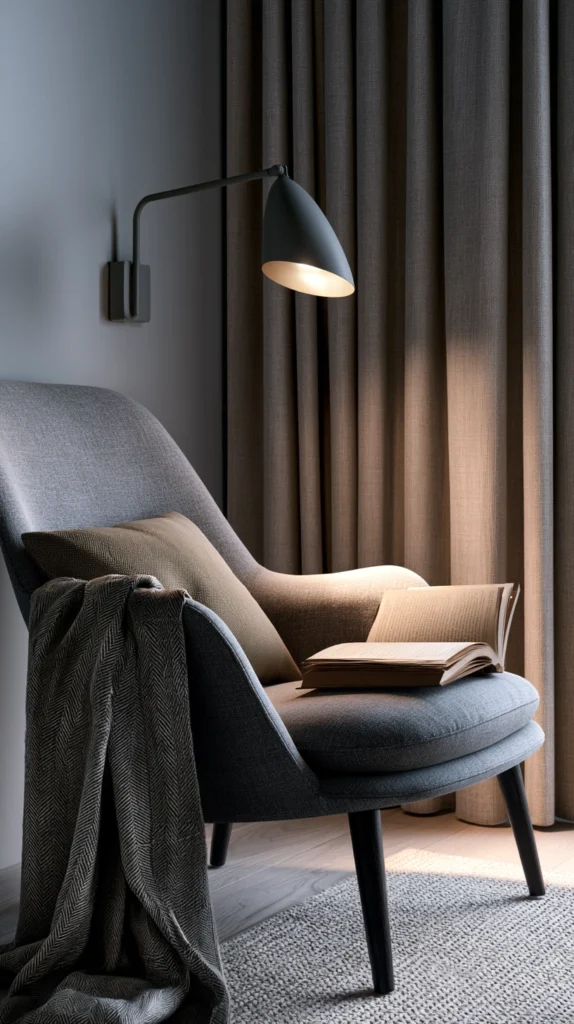
A small tray specifically for tea, water, or a light snack, kept near the reading chair — turning reading time into a fuller evening ritual.
My missing ritual element:
What was absent:
- Reading happened, when it happened at all, without any accompanying small ritual of tea or a snack
- The corner functioned purely for reading, missing the fuller sense of comfort and occasion that a small accompanying ritual provides
Why adding this small ritual element increases actual use:
The ritual-reinforcement principle:
- Just as the bedroom tea tray concept discussed in broader fall bedroom guidance builds a nightly habit through ritual, a smaller, reading-corner-specific version reinforces the habit of returning to this exact spot
- The anticipation of a cup of tea or a small treat becomes part of what draws someone back to the chair each evening, beyond the reading itself
Building the small tray:
What to include:
- A small tray, sized appropriately for the side table from idea 2
- A teacup or mug, ideally one with some personal or aesthetic appeal
- A small dish for a cookie or piece of dark chocolate, if a snack element is desired
Tea selection for an evening reading ritual:
What pairs well with relaxed reading:
- A calming herbal blend (chamomile, lavender) if reading close to bedtime
- A warming spiced tea (chai, cinnamon) for a more flavorful evening experience earlier in the night
Placement and routine:
Building the habit:
- Preparing the tea or snack as the first step of the evening reading ritual, before sitting down, so it is ready and waiting on the side table the moment the book opens
- This small sequencing detail (tea ready before sitting, rather than fetched mid-read) keeps the reading session uninterrupted once it begins
Sourcing affordably:
Budget approach:
- A small thrifted tray and mug ($5-15 combined)
- Tea already owned or purchased very affordably in bulk ($5-15 for a supply lasting weeks)
Cost:
- Small tray: $5-15
- Mug or cup: $3-10
- Tea: $5-15
- Total: $13-40
My reading corner tea ritual result: Preparing a small cup of chamomile tea before sitting down each evening, kept on a small thrifted tray beside my reading chair, turned reading time into a fuller, more anticipated evening ritual rather than simply an activity, the small additional step of preparing tea first became part of what made we want to return to the corner consistently.
Reading Tea Ritual Tips
Choosing decaffeinated options for evening use specifically:
A practical consideration for sleep:
- If reading happens close to bedtime, choosing caffeine-free tea varieties prevents this small ritual from working against the goal of eventually winding down for sleep
Keeping snack portions small:
Avoiding an overly elaborate setup:
- A single small cookie or a few pieces of chocolate maintains the ritual’s simplicity
- An overly elaborate snack setup risks turning a quick evening ritual into something that feels like more effort than it is worth on a regular basis
10. A Wall-Mounted or Clip-On Reading Light as a Backup to the Floor Lamp (Redundant, Flexible Lighting)
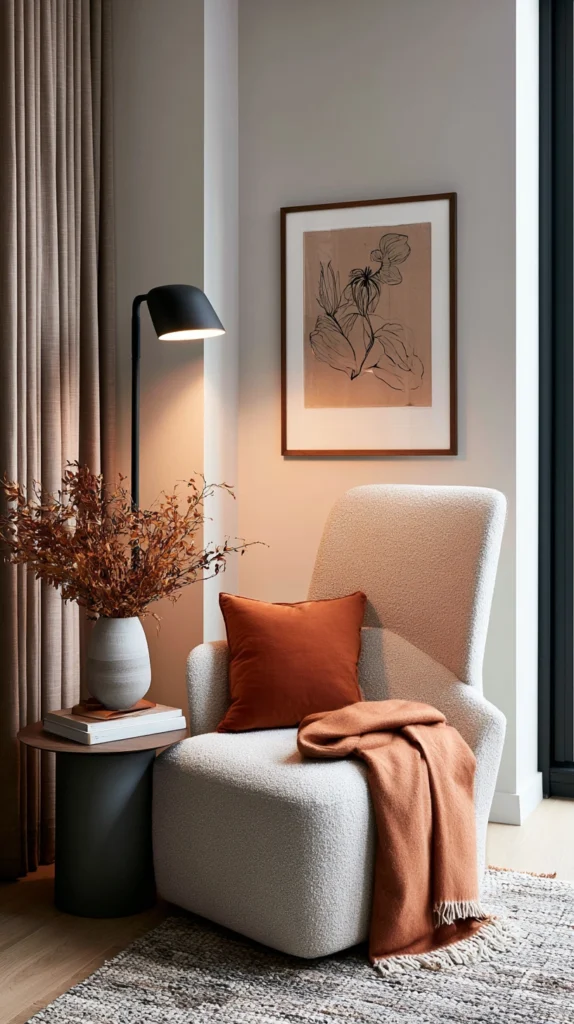
A secondary, smaller light source specifically for reading, supplementing the main lamp from idea 1 — providing flexibility for different reading positions or times of day.
My single-light-source limitation:
What was happening:
- Only the one floor lamp from idea 1 provided reading light
- On occasions when reading position shifted slightly, or when wanting a more focused light without illuminating the broader corner, no flexible alternative existed
Why a second, smaller light source adds genuine value:
The flexibility principle:
- A wall-mounted swing-arm lamp or a clip-on book light provides a more targeted, adjustable light source than a single floor lamp alone
- This is particularly useful for later, quieter reading sessions when a smaller, more contained light pool feels more appropriate than the floor lamp’s broader illumination
Wall-mounted swing-arm lamp:
A slightly larger but very flexible option:
- Mounted directly on the wall beside the chair, with an adjustable arm that can be repositioned as needed
- Frees up floor and table space compared to a freestanding lamp
- Cost: $25-70, plus simple installation (often just a wall anchor and screw, no electrician needed for plug-in versions)
Clip-on book light:
The most minimal, lowest-cost option:
- A small battery or rechargeable clip light that attaches directly to a book or the chair itself
- Extremely portable and flexible, though providing a more contained, smaller light pool than either the floor lamp or wall-mounted option
- Cost: $10-25
When to use the secondary light versus the primary lamp:
Practical application:
- The primary floor lamp from idea 1 for general reading sessions and overall corner ambiance
- The secondary light for later, quieter sessions when a smaller, more contained glow feels more appropriate, or when the primary lamp is in use elsewhere
Bulb and brightness considerations:
Maintaining consistency:
- Matching the same warm 2700K color temperature established for the primary lamp ensures this secondary light source does not feel jarringly different from the room’s established atmosphere
Cost:
- Wall-mounted swing-arm lamp: $25-70
- Or clip-on book light: $10-25
- Total: $10-70
My secondary lighting result: Adding an inexpensive clip-on book light as a backup to my floor lamp, costing under fifteen dollars, gave me a more contained, focused light option for late-evening reading sessions when the floor lamp’s broader glow felt slightly too bright for the hour, this small addition increased the flexibility of how and when I used the reading corner throughout different parts of the evening.
Secondary Lighting Tips
Choosing rechargeable over disposable battery options:
A practical and sustainable consideration:
- A USB-rechargeable clip light avoids the ongoing cost and waste of disposable batteries
- This small upfront consideration saves money and hassle over the course of regular use throughout the season
Testing brightness levels before committing to a specific product:
Avoiding a too-dim or too-bright purchase:
- Reading reviews specifically mentioning brightness adequacy, or testing a returnable option before finalizing, helps avoid purchasing a light that proves either insufficient or uncomfortably bright for actual use
11. A Small Basket or Bin for Current Reading Material and Accessories (Containing the Clutter)
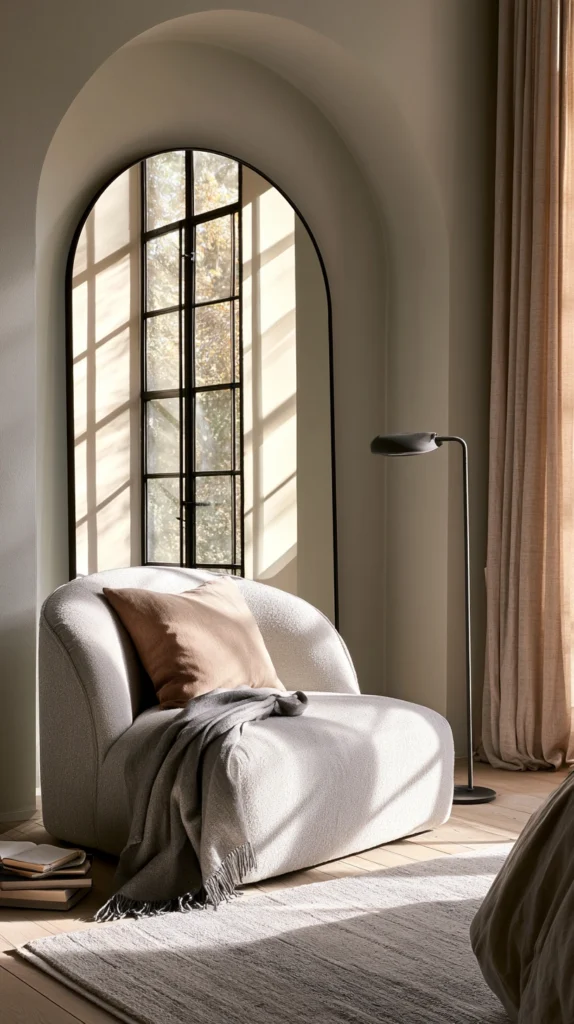
A basket beside the chair holding the current book, a notebook, glasses, and other small reading-related items — preventing small object clutter from accumulating loosely around the chair.
My scattered small object problem:
What kept happening:
- A book here, reading glasses there, a bookmark lost somewhere in the chair cushions
- Small items accumulating loosely around the chair and footstool rather than being contained anywhere specific
Why a dedicated basket solves this specific clutter pattern:
The containment principle, applied to a different category than the nightstand tray:
- Just as the nightstand tray from broader fall bedroom guidance contains small bedside items, a basket specifically for the reading corner contains the particular small objects associated with this activity
- This prevents the slow accumulation of loose items that eventually makes any seating area look cluttered and uncared for, regardless of how nice the chair itself is
Basket material and style choices:
What fits a fall reading corner:
- A woven seagrass or rattan basket, adding natural texture
- A fabric storage bin in a warm fall tone
- A small vintage basket or crate, sourced secondhand for character
What goes inside:
Organizing the reading corner’s small items:
- The current book (when not actively being read; while reading, it lives in hand or on the side table)
- A notebook or journal, if reading inspires note-taking
- Reading glasses, if used
- A spare bookmark or two
- The clip-on light from idea 10, when not in active use
Placement:
Where the basket lives:
- On the floor beside the chair, easily reached without needing to lean far
- Tucked partially beneath the side table from idea 2, if floor space is at a premium
Sourcing affordably:
Budget options:
- IKEA woven baskets ($8-20)
- Thrift stores for a secondhand basket with more character ($3-12)
- A repurposed basket or bin already owned for another purpose
Cost:
- Small basket: $5-20
- Total: $5-20
My reading corner basket result: A small thrifted seagrass basket beside my chair, purchased for six dollars, now holds my current book, a notebook, and a spare bookmark, eliminating the scattered clutter that had been slowly accumulating around the chair and making the entire corner look noticeably more put-together with almost no effort required to maintain it.
Reading Basket Tips
Establishing a consistent “everything goes back in the basket” habit:
Making the system actually work:
- The basket only solves the clutter problem if items are consistently returned to it after each use
- Building this small habit, taking only a few seconds each time, maintains the corner’s tidy appearance with minimal ongoing effort
Choosing a basket size proportional to actual need:
Avoiding an oversized or undersized container:
- A basket too large for the small number of items it holds looks sparse and slightly awkward
- A basket appropriately sized for the few specific items intended for it (rather than an attempt to also store unrelated items) maintains the most visually cohesive result
12. A Small Piece of Art or a Mirror Positioned for the Chair’s Specific Sightline (A Considered Focal Point)
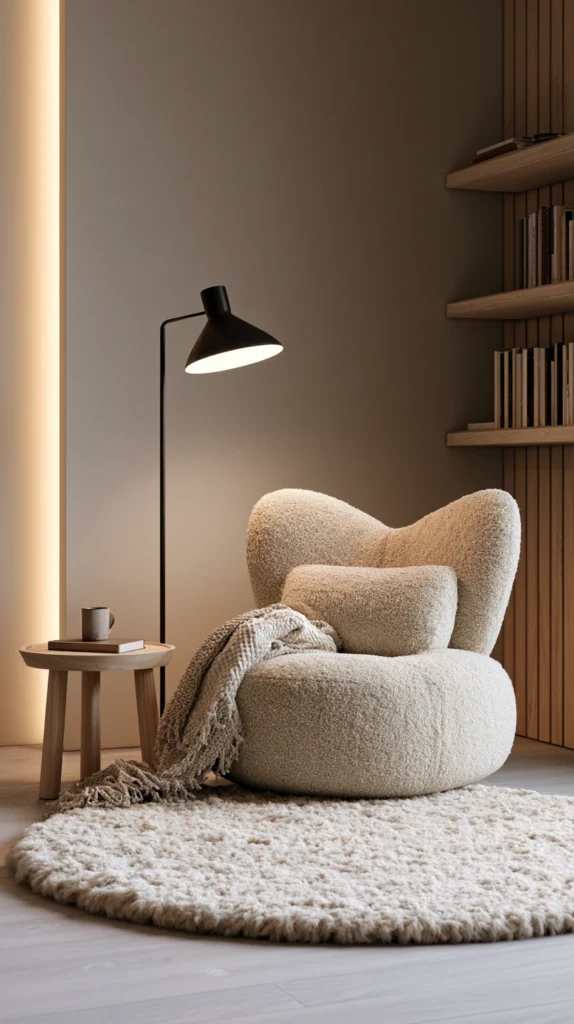
Art or a mirror placed specifically where it is seen from the seated reading position — extending the same considered-sightline principle from the plant idea to a wall-mounted focal point.
My randomly placed wall art:
What was happening:
- Any existing wall art or mirrors in the bedroom were positioned based on general room balance, not with any specific consideration of what would be seen from the reading chair specifically
Why this specific vantage point deserves the same consideration as the plant placement:
The dedicated-sightline principle, applied to wall elements:
- Just as idea 7 considered what is seen at eye level when looking up from a book, the wall area directly within the seated sightline (whether straight ahead or comfortably to one side) deserves the same intentional consideration
- A wall left blank in this specific sightline, or filled with something arbitrary, misses an opportunity that costs nothing extra to address thoughtfully
Art selection for this purpose:
What works well within direct view of a reading chair:
- A calm, warm-toned landscape or botanical print, providing a peaceful visual rest point
- A small piece with personal meaning, extending the personal object principle into wall art specifically for this sightline
- Avoid: anything visually busy, high-contrast, or stimulating, which can compete with the relaxed, restful purpose of the corner
Mirror as an alternative to art:
Why a mirror might be the better choice here:
- A mirror positioned in this sightline reflects whatever is opposite it, potentially bringing in a window’s natural light or another part of the room’s warmth into the reading corner’s specific view
- This can make a small reading corner feel slightly more spacious and connected to the rest of the room, rather than visually isolated
Sourcing affordably:
Budget options:
- The free or low-cost printed art approach discussed in broader budget bedroom guidance
- A thrifted small mirror, often available very affordably ($5-25)
Placement testing:
A practical verification step:
- Sitting in the actual chair and observing exactly what falls within comfortable eye level, rather than guessing from a standing position, ensures the chosen art or mirror is genuinely positioned for this specific intended view
Cost:
- Small art print and frame, or thrifted mirror: $10-40
- Total: $10-40
My corner sightline art result: Hanging a small framed botanical print directly in the sightline of my reading chair, positioned after actually sitting down and testing exactly where my eyes naturally rested, created a considered visual focal point for reading breaks that a more randomly placed piece elsewhere on the wall would never have provided in quite the same way.
Sightline Art Tips
Testing from the actual seated position, not standing:
Avoiding a common placement mistake:
- Eye level while standing differs significantly from eye level while seated in a reading chair
- Always test and adjust placement from the actual chair, seated, rather than estimating from a standing vantage point
Choosing calm over stimulating:
Supporting the corner’s restful purpose:
- This particular sightline benefits from visually calming choices specifically because it is seen repeatedly during reading breaks
- A high-contrast, busy, or visually demanding piece works against the corner’s intended restorative function, even if it might work perfectly well elsewhere in the room
13. A Small Personal Ritual Object Specific to This Corner (The Final, Cost-Free Layer)
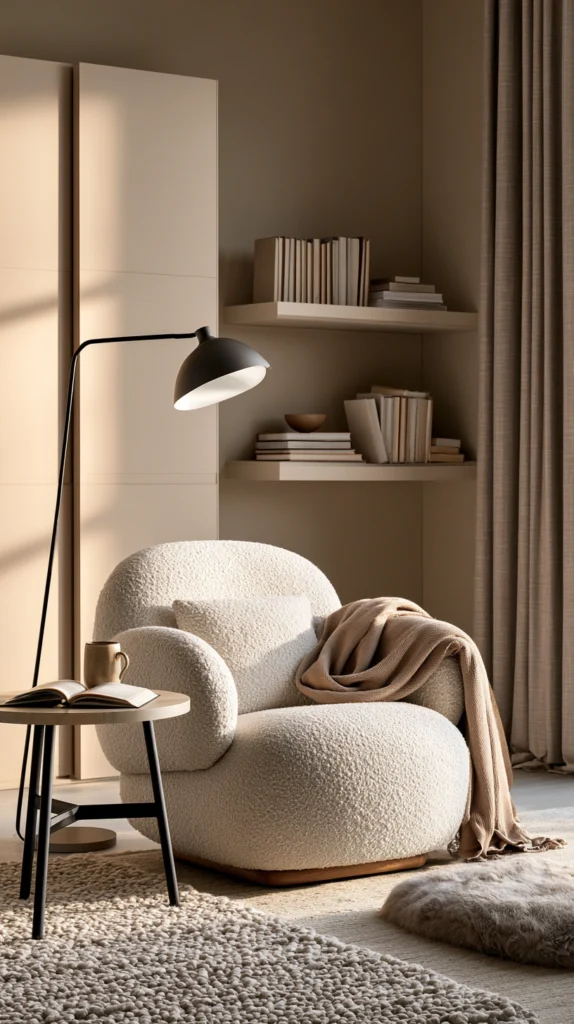
A single small, meaningful object kept specifically in the reading corner, distinct from any object elsewhere in the bedroom — the final layer of personal investment that makes the space feel genuinely owned.
My functionally complete but still impersonal corner:
What was missing even after building every other element on this list:
- A corner that finally functioned beautifully, with comfort, light, and convenience all addressed
- Still lacking any single object that felt specifically, personally tied to this exact spot and this exact ritual
Why this final object matters even after everything else is in place:
The ownership principle:
- A reading corner can be functionally perfect and still feel slightly generic without at least one object that feels personally, specifically chosen for this exact purpose
- This single small addition, costing nothing if sourced from already-owned items, often becomes the detail that makes the entire space feel genuinely like a personal retreat rather than simply a well-designed corner
What this object might be:
Possibilities to consider:
- A small item received as a gift specifically related to reading (a bookmark, a small book-related trinket)
- A small object that simply feels calming or meaningful, kept exclusively in this spot rather than displayed elsewhere
- A specific candle scent used only when reading in this corner, building a scent-based ritual association exclusive to this activity and location
Why exclusivity to this corner specifically matters:
The dedicated-association principle:
- An object that appears throughout the house, in multiple rooms, does not carry the same specific association as one kept exclusively in this one spot
- Choosing to keep a particular object only here, even if it could theoretically live elsewhere, strengthens the psychological connection between this object, this corner, and the reading ritual itself
Building this final layer:
A simple, no-cost final step:
- Walking through already-owned small objects and selecting one that feels right for this specific purpose
- Placing it deliberately, perhaps on the side table from idea 2 or in the basket from idea 11, and committing to keeping it exclusively in this location going forward
Cost:
- Already-owned object: $0
- Total: $0
My personal ritual object result: Choosing to keep a small smooth stone, given to me years ago and previously stored in a drawer, specifically on my reading corner’s side table and nowhere else in the house, gave this finished corner a final layer of genuine personal meaning that no amount of careful furniture and lighting selection alone had provided, this object now feels inseparable from the entire reading ritual itself.
Personal Ritual Object Tips
Choosing something with an actual emotional connection:
Avoiding an arbitrary selection:
- Rather than placing just any small object for the sake of completing this idea, taking a moment to genuinely consider which already-owned item carries real personal meaning produces a more authentic result
- This selectiveness, requiring only a few minutes of reflection, is what separates a meaningful final touch from simply another decorative object
Resisting the urge to display this object elsewhere as well:
Maintaining the exclusivity that creates the strongest association:
- The specific power of this idea comes partly from the object’s exclusivity to this one corner
- Displaying the same item in multiple spots throughout the home dilutes the specific reading-corner association this final idea is built around
Choosing Your Reading Corner Priorities
By foundational necessity:
Build these first, always:
- Corner armchair and dedicated reading lamp (idea 1): nothing else functions without this foundation
- Small side table (idea 2): removes the most immediate daily friction
Then add comfort and convenience:
- Footstool or ottoman (idea 4)
- Corner shelving for books (idea 3)
- Dedicated reading throw (idea 6)
Then build atmosphere and zoning:
- Curtain or fabric partial enclosure (idea 5)
- Small corner rug (idea 8)
- Secondary reading light (idea 10)
Finally, the personal and ritual layer:
- Tea tray ritual (idea 9)
- Small basket for clutter containment (idea 11)
- Sightline art or mirror (idea 12)
- Plant within view (idea 7)
- Personal ritual object (idea 13)
By budget level:
Under $100:
- Focus on idea 1 (using a secondhand or already-owned chair, plus an affordable lamp), idea 2, and idea 13 (free)
$100-300:
- Add the footstool, corner rug, dedicated throw, and basket
$300-500:
- Incorporate the corner shelving, curtain enclosure, secondary lighting, and the full tea ritual setup
By available space:
Very tight corner (limited floor space):
- Prioritize the chair, lamp, and a small wall-mounted shelf over a full side table and footstool if space genuinely does not allow both
- A clip-on light (idea 10) may need to substitute for a full floor lamp if space is extremely limited
More generous corner space:
- All thirteen ideas can be incorporated without crowding, including the full footstool, side table, and partial curtain enclosure together
Maintenance Reality
Weekly:
- Return any scattered items to the basket from idea 11
- Refresh tea supplies for the evening ritual
- Water the corner plant if needed
Monthly:
- Wash the dedicated reading throw
- Dust shelving and any displayed objects
- Reassess whether the lamp positioning still serves current reading habits, adjusting if needed
My Complete Reading Corner Build
What I assembled over six weeks:
Week 1-2 ($180):
- Secondhand armchair, tested for comfort before purchase
- Floor lamp positioned at shoulder height
- Small side table
Week 3-4 ($95):
- Footstool with internal storage
- Small corner rug
- Dedicated chunky knit throw
Week 5-6 ($70):
- Two floating shelves for books
- Small basket for clutter containment
- Clip-on secondary reading light
Personal additions (ongoing, $0):
- Personal ritual object, chosen from already-owned items
- Tea ritual, using mugs and tea already on hand
Total investment: $345 across six weeks Result: A corner that went from completely unused to a genuine nightly habit Most impactful single change: Testing the chair for actual comfort before purchase, which made every subsequent addition worthwhile rather than wasted effort on an unused space
Getting Started This Weekend
Test the chair and light before adding anything else.
This weekend:
Step 1 — Sit and assess:
- If a chair already exists in the intended corner, sit in it for fifteen minutes with an actual book
- Honestly evaluate whether it is genuinely comfortable, or whether a replacement is needed before investing further
Step 2 — Position a lamp correctly:
- Move an existing lamp, or purchase an affordable one, and position it at shoulder height beside the chair
- Test the light pool with an actual book before finalizing placement
Step 3 — Add one small surface:
- A side table, even a temporary or improvised one, for this first week
- This alone removes significant friction from actually using the corner regularly
My recommendation:
Confirm the chair and light work before spending on anything else on this list. Every other idea here only adds value once the foundational comfort and lighting are genuinely solved; building the smaller, more decorative elements first, before confirming the chair itself works, risks investing in a corner that still goes unused regardless of how nice it looks.
Now go build the reading corner that finally gets used every fall evening.
Quick Summary
The 13 reading corner ideas:
Foundation (build first):
- Corner armchair with dedicated reading lamp (idea 1): nothing works without this
- Small side table within arm’s reach (idea 2): removes immediate daily friction
Comfort and convenience:
- Small footstool or ottoman (idea 4): extends actual reading session length
- Floor-to-ceiling or wall-mounted bookshelf (idea 3): removes the need to leave the corner
- Dedicated reading throw blanket (idea 6): warmth always available exactly where needed
Atmosphere and zoning:
- Heavy curtain or fabric partial enclosure (idea 5): creates psychological retreat
- Small corner-defining rug (idea 8): zoning without walls
- Secondary reading light (idea 10): flexibility for different reading times
Ritual and personal layers:
- Tea or snack tray (idea 9): extends reading into a fuller evening ritual
- Small basket for clutter containment (idea 11): keeps small items organized
- Plant within the chair’s sightline (idea 7): a calming visual anchor
- Art or mirror for the specific sightline (idea 12): a considered focal point
- Personal ritual object (idea 13): the final, cost-free layer of genuine ownership
The non-negotiable rules:
Always:
- Test chair comfort by actually sitting and reading, not just by looking
- Position the reading lamp at shoulder height, to the side, never overhead only
- Keep small object clutter contained in a dedicated basket or tray
- Consider what is seen specifically from the seated position, not just from standing in the room generally
Never:
- Rely on general room lighting alone for actual reading
- Place the chair without testing for comfort first
- Assume a beautiful-looking corner will function well without addressing comfort and convenience first
- Skip the small side table, assuming the floor or chair arm is an adequate substitute
The reading corner formula:
A genuinely comfortable chair + correctly positioned reading light + a nearby surface + textile warmth + personal ritual = a corner that gets used nightly rather than admired occasionally and then forgotten.
Common mistakes:
- Choosing a chair based on appearance alone without testing actual comfort
- Positioning the lamp for general room ambiance rather than specifically for reading
- Forgetting the side table, leaving no convenient surface for tea, glasses, or a bookmark
- Building every decorative element before confirming the foundational comfort and lighting actually work
- Overlooking the small, often free additions (a personal object, a considered sightline) that provide the final, most meaningful layer of genuine use
Remember: Comfort and correct lighting must be confirmed before any other element on this list will matter, the side table removes more daily friction than almost any other single addition, a partial enclosure and a dedicated rug create the sense of a distinct zone even within a small, undivided bedroom, small rituals (tea, a personal object) are what transform a functional corner into a space someone actually wants to return to every evening, and the entire project succeeds only when the corner gets used consistently, not when it simply looks complete in photographs.